
Autonomous vehicles could end car ownership
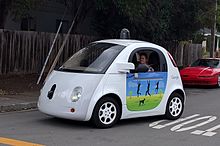 Imagine getting a free ride to work or elsewhere in a driver-less car.
For example, a Starbucks autonomous ride-sharing van might cover the cost of your cheap commute by selling you a pricey latte.
That’s likely to happen within a decade of the anticipated 2020 rollout of autonomous vehicles, USA Today reports.
It’s among predictions in the first report from RethinkX, an independent think tank focusing on technology’s impact on transportation, energy, finance and healthcare.
According to RethinkX, while self-driving vehicles may still seem like a science fair project to many, the technology soon will become so culturally ubiquitous that it will lead to the abandonment of car ownership, a trillion dollar boost in disposable income and a “catastrophic” shift for the oil industry and driver economy.
“Mainstream talk about self-driving cars suggests the big transformation could still be decades out, but it’s time to adjust our thinking,” Rethinking Transportation 2020-2030: The Disruption of Transportation and the Collapse of the ICE Vehicle and Oil Industries co-author Tony Seba says. James Arbib is the other author.
Tech companies such as Alphabet and automakers such as Ford have long been targeting around 2020 for the first commercial rollout of self-driving ride-hailing fleets, USA Today says.
That debut is most likely to happen in select cities where both lawmakers and the public are willing to embrace such a radical shift. Experts believe a national embrace of autonomous vehicles will be slow in coming.
In contrast, RethinkX predicts an overnight sensation no less transformative than the Model T’s erasure of the horse and buggy, the printing press’s impact on literacy and one modern gadget’s remaking of communication.
“When the iPhone came out in 2007, many wondered who would spend hundreds on something called a smartphone, and now we can’t imagine our lives without them,” Seba says. “It’s going to be the same with electric autonomous vehicles. The adoption curve will be super exponential.”
The study’s views of the mobility scene by 2030, or before, include that 95% of US passenger miles will be served by autonomous electric vehicles owned by companies providing transportation as a service (TaaS), 60% of vehicles on the road will be dedicated to that transportation, and that the average household will pocket US$5600 (NZ$8152) a year currently allocated to gas-powered car ownership by switching to autonomous electric vehicles services.
That future isn’t rosy for all. Disruption looms on many fronts, the report’s authors say.
Among the hardest hit will be the millions of Americans who drive for a living, whether they’re ride-hailing drivers or truckers.
Oil companies will also take a big hit. Despite the current administration’s pursuit of pro-oil policies, global demand will peak at 100 million barrels per day in 2020 and drop to 70 million by 2030.
Automakers and related industries — car dealerships, auto parts stores — will suffer or shutter, with car companies likely having to pivot to becoming manufacturers of autonomous electric vehicles and possibly ride-hailing companies as well.
Some automakers are already anticipating such a shift. Ford is not only investing heavily in autonomous car technology but recently bought Chariot, a San Francisco-based ride sharing company. Meanwhile, Uber chief executive officer Travis Kalanick has long said that his business model hinges on getting rid of the most costly part of the equation – the driver.
“People simply won’t own cars,” says Seba, noting that for many people the automobile represents a five-figure investment that is in use roughly 4% of its life. “The Ubers and GMs of the world will own the cars, and they’ll be in use constantly, which will drive down the cost of each ride to a point where it will be economically irresistible to consumers.”



Join the conversation