
Volvo’s XC60 and XC90 plug-in hybrids get 180km of electric range
Volvo's XC60 and XC90 plug-in hybrids gain much larger batteries for claimed electric ranges of 180km and 165km, with the XC60 due in New Zealand in early 2027.
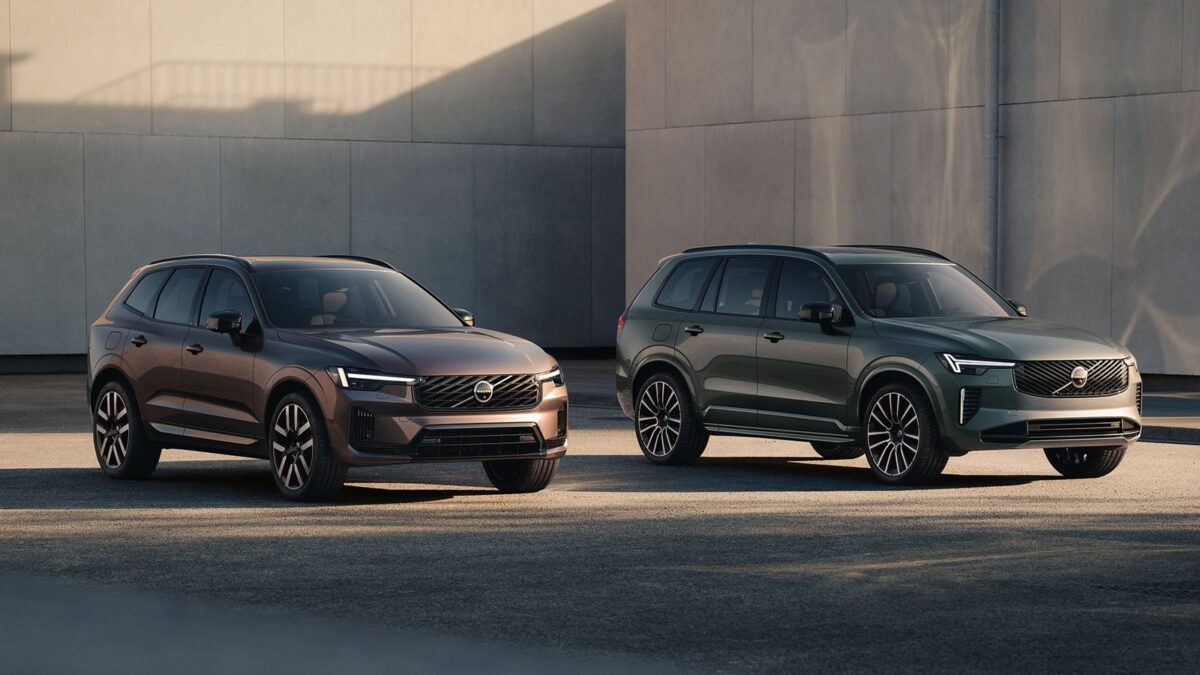
Volvo’s plug-in hybrid XC60 and XC90 are set for substantial battery upgrades, lifting their claimed electric ranges to 180km and 165km respectively, more than two and a half times what the current cars manage.
The existing XC60 is rated for 67km of electric running and the XC90 for 62km. The new figures take both beyond the short urban range associated with plug-in hybrids: for many owners, 180km will cover a week of commuting before the petrol engine is needed, and it is more electric range than several battery electric cars sold here offered a decade ago.
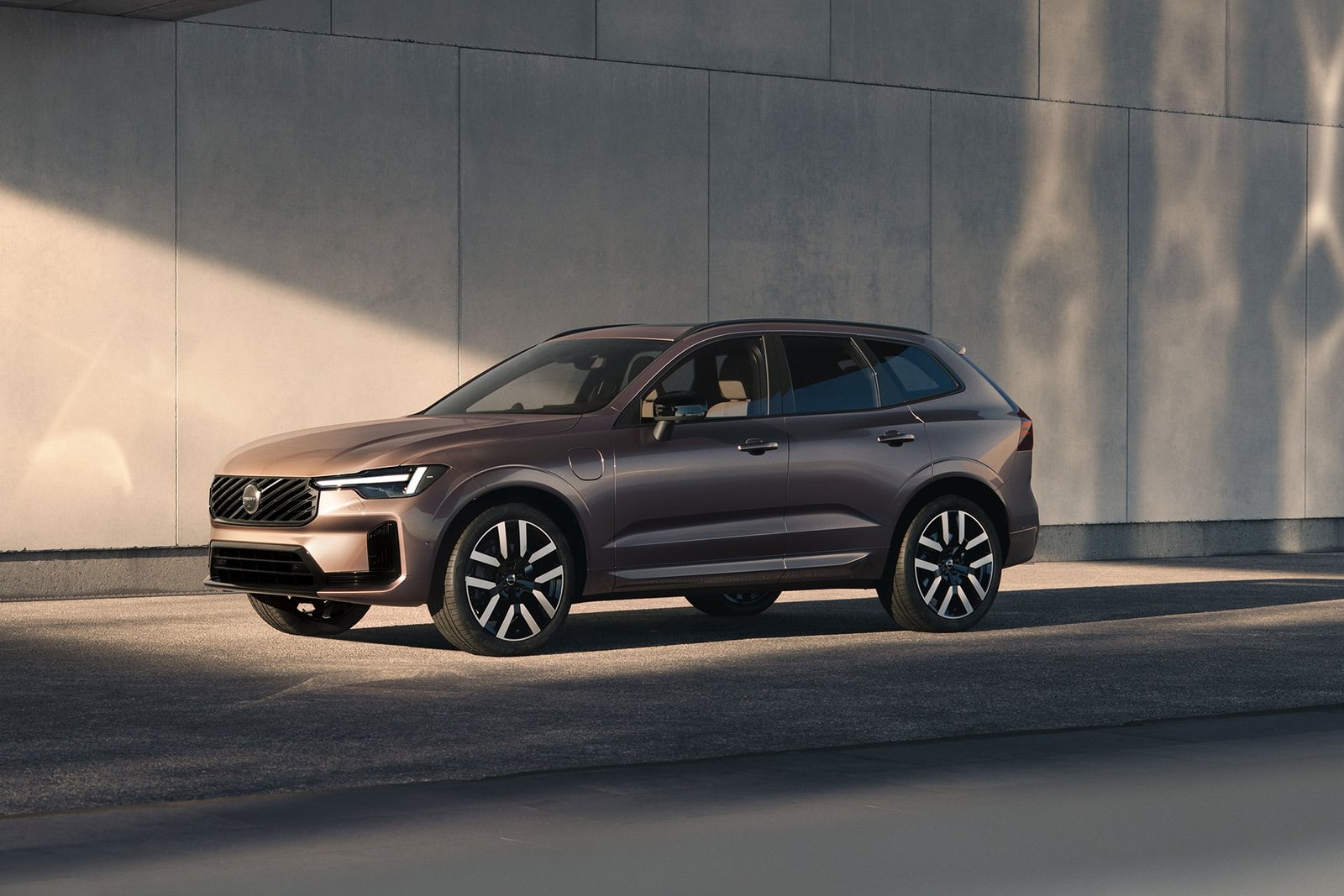
Volvo has achieved the increase by fitting a larger battery into the floor and upgrading the electric motor, with the petrol engine retained for longer journeys. Mild-hybrid versions of both SUVs continue to be offered. The company has not released battery capacity, charging rates or the cycle behind the range claims.
The long-range XC60 is expected to reach New Zealand in early 2027, with local timing for the seven-seat XC90 to be announced later. Pricing and final specifications for both are due before the end of this year.
“The arrival of the long-range XC60 and XC90 plug-in hybrid models marks the continuation of Volvo’s commitment to safety, sustainability, and electrification,” says Volvo Cars New Zealand country manager Daile Stephens, describing the XC60 as adding more freedom to move in New Zealand’s most loved Volvo.
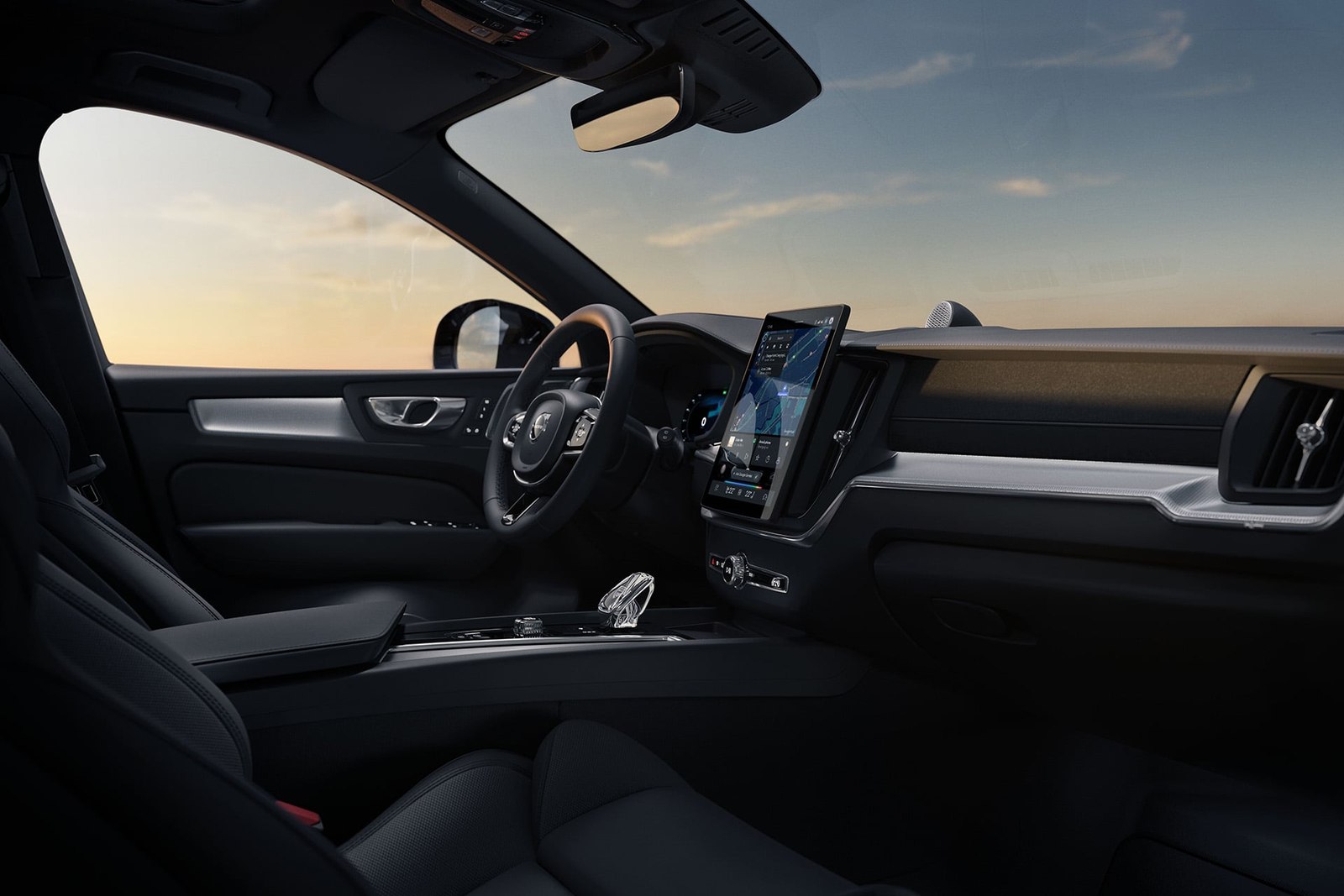
The XC60 receives the more extensive makeover of the pair, with a redesigned grille, front bumper, bonnet and front wings, new wheel designs, reworked Thor’s Hammer matrix LED headlights, and changes to the tailgate, rear lamps and bumper that give the back a more horizontal look. Inside there is a new dashboard and redesigned door panels with wood trim and available Cardamom-coloured ventilated Nappa leather, and an 11.2-inch central touchscreen running Volvo’s latest interface with Google Gemini built in for conversational voice control.
Safety equipment has been updated too. The XC60 can apply automatic emergency braking or steering assistance when it detects an impending collision, and a door-opening warning alerts occupants to a cyclist approaching from behind. Lane-change assistance and a 360-degree camera with a 3D display are supported by upgraded cameras, radar and other sensors. The XC90 keeps its seven-seat layout, gains Gemini, and continues to offer Bowers and Wilkins audio on selected grades. Both support over-the-air updates.
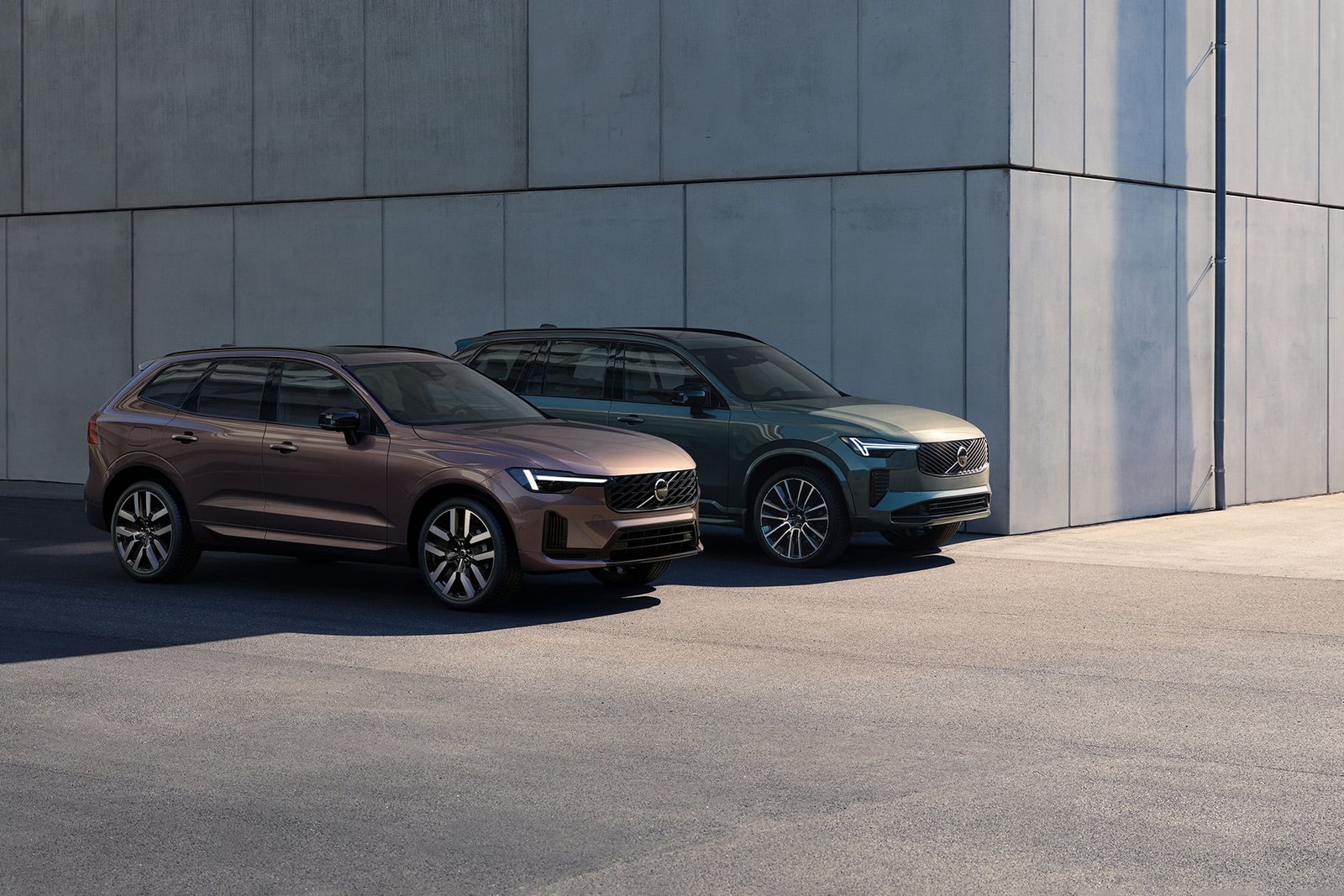
The upgrades are part of Volvo’s revised path towards electrification. Rather than relying solely on battery electric models, the company now treats longer-range plug-in hybrids as a bridge for customers who can complete most journeys electrically but still want petrol flexibility. That thinking is showing up in the New Zealand market too, where plug-in hybrids outsold battery electric vehicles in August, and where the FBT bill before Parliament gives plug-in hybrids a smaller company-car tax break than battery electric cars from April 2027.

Join the conversation