
Denmark is killing Tesla and other electric cars
The electric car has dropped from favour in the country that pioneered renewable energy.
Sales in Denmark of Electrically Chargeable Vehicles (ECVs), which include plug-in hybrids, plunged 60.5% in the first quarter of the year, compared with the first three months of 2016, according to latest data from the European Automobile Manufacturers Association (ACEA). That contrasts with an increase of nearly 80% in neighbouring Sweden and an average rise of 30% in the European Union, Bloomberg reports.
The figures suggest clean-energy vehicles still aren’t attractive enough to compete without some form of subsidy.
Denmark, a global leader in wind power whose own attempt at an electric car in the early 1980s flopped, used to be enthralled with them. Its bicycle-loving people bought 5298 of them in 2015, more than double the amount sold that year in Italy, which has 10 times the population of Denmark’s.
However, it turns out that those phenomenal sales figures had as much to do with convenience as with environmental concerns. Electric car dealers were for a long time spared the 180% import tax Denmark applies on vehicles fuelled by a traditional combustion engine.
In late 2015, the Liberal-led government of Prime Minister Lars Lokke Rasmussen announced the progressive phasing out of tax breaks on electric cars, citing budget constraints and the desire to level the playing field.
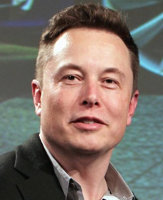
Tesla, whose sales were skyrocketing at the time, lobbied against the move, with its chief executive officer Elon Musk warning during a visit to Copenhagen that sales would be hit.
The new tax regime “completely killed the market,” Danish Electric Car Alliance head Laerke Flader says. “Price really matters.”
According to the government’s original plans, tax breaks were to have been phased out from 2016 to 2020, when they would be treated in the same way as fossil fuel-powered cars.
But on April 18, having noted the drop in sales, the government decided to change the rules.
“It’s no secret electrical vehicle sales have been below what we expected a year and a half ago,” Tax Minister Karsten Lauritzen says. “The agreed phase-in has turned out to be hard and that likely halted sales.”
The new rules mean the transition to a post-subsidy era has been postponed until at least 5000 new electric cars are sold over the 2016-2018 period. Tax breaks will in any case be progressively eliminated as of 2019, regardless of sales numbers.
While sales of low or zero emission cars continue to boom in neighbouring Sweden, thanks to a wide range of subsidies, including a five-year tax break, the Danish government’s U-turn has caused confusion, prompting many potential customers to either postpone or desist from their purchases.
Flader says electric car dealers have rolled back their sales drive as a result.


Join the conversation