
Zero Carbon Act first step
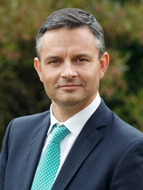
James Shaw
The first important step towards creating a Zero Carbon Act has been launched by the Government.
“Cabinet has agreed to a process of consultation in 2018, before the Zero Carbon Bill is introduced,” climate change minister James Shaw says.
Consultation is due to start in May towards reducing greenhouse gas emissions by 2050.
Shaw says the bill will be a cornerstone of New Zealand’s transition to a low-emissions, climate resilient future.
“I’m looking forward to engaging in conversations with New Zealanders next year as together we design the framework for New Zealand to transition to a sustainable economy,” he says.
“Taking action on climate change is about working together to ensure a stable climate for future generations, and creates huge opportunities for new jobs in clean industries, better transport, and cleaner air and water.
“This is a big task and the transition will take decades. Climate change challenges us to make fundamental changes to our economy and we have a moral responsibility to do that in a way that brings people and communities along with us.”
The legislation will put the climate change target into law and establish an independent Climate Change Commission.
“A Zero Carbon Act provides the certainty businesses need to make long-term investment decisions, and it will drive the growth and innovation we need,” Shaw says.
The Government is establishing an Interim Climate Change Committee from early next year to do the ground work in some priority areas while the commission is set up.
“The interim committee could start by looking at agriculture, which contributes almost half of New Zealand’s greenhouse gas emissions, and how we can transition to 100% renewable electricity,” Shaw says.
A board of public sector chief executives, focused on climate change, will also be established early next year.
Shaw expects to introduce the Zero Carbon Bill into Parliament by the end of October.
The Sustainable Business Council welcomes the announcement.
This process will be a cornerstone of the dialogue we need about the transition to a low emissions economy, its executive director Abbie Reynolds says.
“Already many businesses are setting ambitious targets to reduce and offset emissions, which will help to keep global warming within two degrees, as agreed in the 2015 Paris Agreement. This means their decisions on capital allocation, investment, innovation, emissions reduction initiatives and offsetting projects can be made well in advance.”
“I encourage New Zealanders to get involved in the national dialogue,” Reynolds says.
“The decisions made as the act and commission are designed will affect Kiwis for generations to come.”g


Join the conversation