
EVs fuelled by pavement solar power
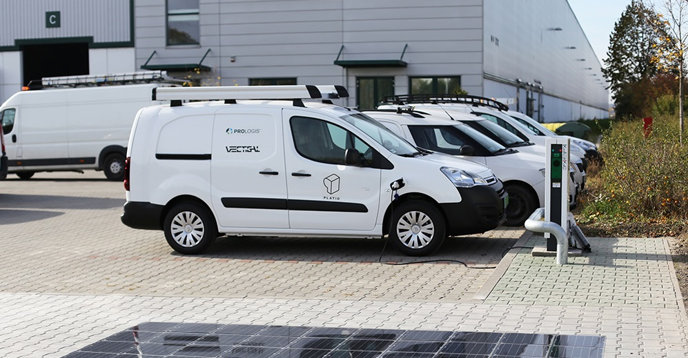
Solar pavers are being used to power electric vehicles in a trial in Hungary.
The “Platio Solar Pavers” totalling 4.7 square metres are installed in the footpath at one of logistics real estate firm Prologis’s electric car charging stations in Budapest.
The 720-Watt peak (Wp) system provides green energy to the charging station, and when the station is empty it supplies the power to a nearby office building.
 The developers of Platio aim to demonstrate that by turning energy absorbing paved areas into huge walkable solar arrays, energy production can be achieved at a large scale without taking up useful space or altering the cityscape.
Platio founders say it provides a more environmentally conscious way to fuel EVs.
“As e-mobility rapidly emerges, the demand for more energy will grow soon as well. Local, independent renewable energy sources can supplement or even decentralise the utility grid,” Platio co-founder Miklós Ilyés says.
Unlike similar projects aiming to harvest solar energy on roads, Platio is designed to be installed in pedestrian paved areas.
The company’s vision is to have solar power plants integrated into the urban environment. Its solar paver was introduced last year with an 80sqm system at a shopping mall entrance as a pilot, followed by a solar marine pontoon and a smart bench project.
The company manufactures, installs and monitors the systems.
The concept appealed to Prologis, which provided the platform for the latest project.
“At Prologis, sustainability is central to what we do—more than that, it is part of our organisational DNA,” Prologis Hungary senior vice-president László Kemenes says.
“We implement numerous green solutions already in our logistics buildings, and with an eye on further innovation we dedicate special care to trialling potential future technologies like this.”



Join the conversation