
Back to Earth for Musk
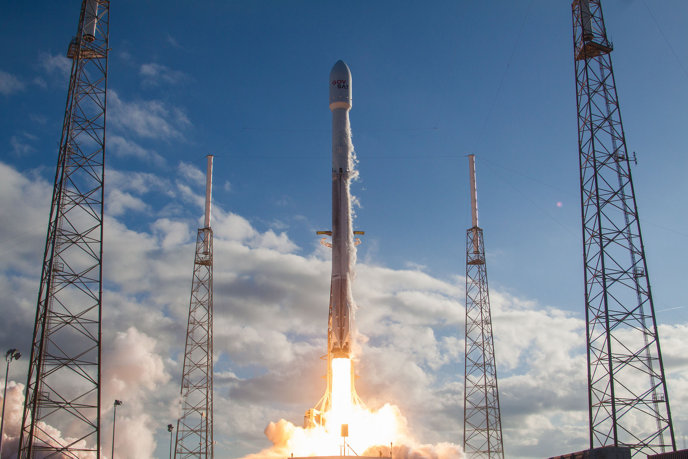
Tesla’s increasing losses have brought the electric car firm and SpaceX chief executive officer Elon Musk firmly back to Earth a day after he launched his Tesla Roadster into space.
Tesla Inc. posted a record quarterly net loss of US$675 million in the fourth quarter, up from a net loss of US$121 million in the same period a year ago. The California automaker is struggling to meet production targets for its first mass-market car, the Model 3 sedan. It’s also spending heavily on future vehicles, including a Semi electric truck due to go into production next year, the NZ Herald reports.
Tesla lost US$1.96 billion for the full year, nearly three times its loss of US$675 million in 2016. The company has never made a full-year profit since it went public in 2010.
Elon Musk has to deal with Tesla’s losses after sending his Roadster into space a day ago.
Its adjusted fourth-quarter loss, of US$3.04 per share, was ahead of Wall Street’s estimated loss of US$3.15 per share, according to analysts polled by FactSet. Revenue for the quarter was US$3.3 billion, in line with analysts’ forecasts.
Tesla’s total 2017 revenue was US$11.8 billion, also in line with forecasts.
Yet the company’s shares rose 3% to US$345 in afternoon trading after SpaceX successfully launched its Falcon Heavy rocket with Musk’s red Roadster and a space-suited dummy at the wheel.
Tesla’s shares are up 8% from the beginning of this year.
Some analysts question whether Musk should be spending more time fixing Tesla’s woes. Clement Thibault, a senior analyst with the web site Investing.com, griped about Musk’s recent fundraising efforts for The Boring Co., his new tunnel-drilling company.
“He appears to be more eager to sell hats and flamethrowers rather than meeting previously stated production targets for Tesla vehicles.”

Join the conversation