
EVs’ high cost puts off Government buy
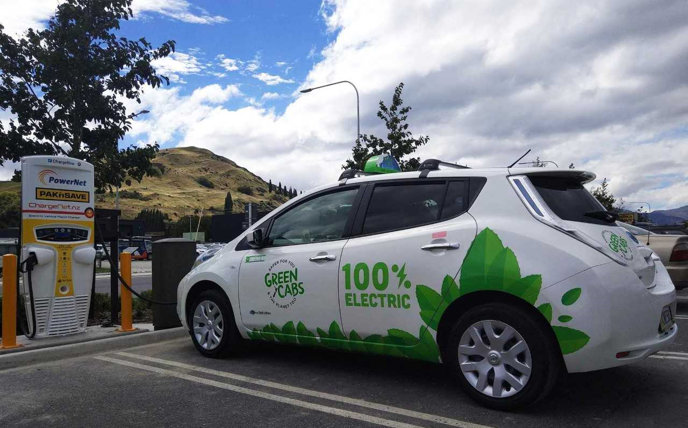
Government departments are dragging their heels on converting a fleet of more than 25,000 vehicles to electric.
The high cost of new EVs and the charging infrastructure are being blamed.
While the Government wants its fleet electrified by 2025, public service leaders aren’t keen to make the switch until the cost comes down, Newsroom.co.nz
reports.
The previous National-led Government announced a target of electrifying the Government fleet by 2021, but after the election the Labour and New Zealand coalition opted for emissions free by 2025/26 “where practicable”.
A briefing by the Energy Efficiency and Conservation Authority (EECA) for Energy Minister Megan Woods shows the difficulty in meeting the Government’s 2025 commitment, Newsroom.co.nz says.
The briefing says there’s “significant difficulty” switching to EVs as they cost more to buy, partly due to the limited variety available. It says even with cheaper running costs the EV investment is hard to justify.
About 351 public organisations buy their vehicles through a contract administered by the Ministry of Business, Innovation and Employment (MBIE), which gets discounts through economies of scale.
Some 4000 vehicles are bought annually, with about 40% in a class where EVs are available – yet only 226 EVs are registered to Government organisations.
New pure electrics are dear in New Zealand, many here around the $60,000 plus mark.
Charging infrastructure can also be expensive.
A joint public-private sector pilot was attempted last year to try and encourage EV uptake.
Seven Government organisations and 10 private sector companies registered an intent to buy 86 EVs and pricing was secured. But only eight companies followed through, with just 38 EVs ordered, Newsroom.co.nz reports.
There were also concerns the resale price could drop.
High up-front costs weigh on people’s minds, says professor Barry Barton of Waikato University.
He co-authored a 2015 report that considered barriers to EV uptake, recommending a “feebate” system to incentivise low or zero emission vehicle uptake.
Meanwhile, the 32 diesel-powered Crown BMWs that carry ministers won’t be turning electric yet.
A six-month trial of a BMW plug-in replacement found that while the vehicle was a viable option to integrate into the Crown fleet, it wouldn’t work as a complete replacement.
Other issues included range and finding the correct chargers.
The lease agreement with BMW ends in October next year.
Alongside the limos, the VIP fleet includes an extra 77 vehicles with almost a third being fully electric or hybrid vehicles.

Join the conversation