
Cheaper batteries and more renewable power will boost EVs – report
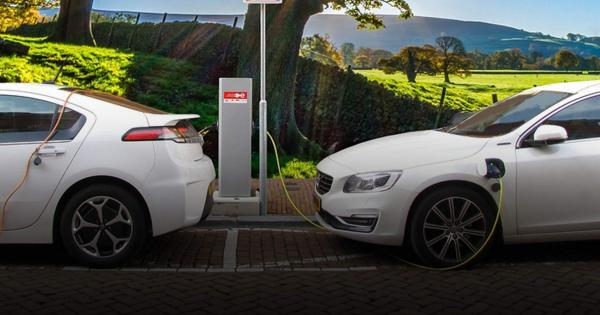
Falling battery prices and growing use of renewable energy like solar and wind will pave the way for soaring electric vehicle uptake.
That’s the expectations outlined in Bloomberg New Energy Finance’s forecast – New Energy Outlook 2018.
Estimates show lithium-ion battery prices decreased by about 80% between 2010 and now.
 The average energy density of EV batteries is also improving at around 5-7% annually, Colin McKerracher says in his report on the EV outlook.
He says global EV sales are on track to exceed 1.6 million this year.
The International Energy Agency expects plug-in electric vehicle (PHEV) numbers will triple within the next two years, citing falling battery costs and strong policy.
“Depending on the scenario, the number of plug-in cars could reach 125 to 220 million by 2030.”
BNEF predicts that by 2050, half of electricity will be generated by solar and wind.
Batteries will help solve issues of variable power output from renewables and encourage broader adoption. Increasingly, power will be produced closer to demand points.
The BNEF report expects up to US$548 billion will be invested in battery energy storage systems by 2050.
The number of EV models available is set to jump from 155 at the end of 2017 to 289 by 2022.
Charging infrastructure remains a barrier in many countries and supply of raw materials like cobalt could create some bumps in the road to cheaper batteries, the report says.
BNEF’s Salim Morsy says their latest forecast shows EV sales increasing from a record 1.1 million worldwide in 2017, to 11 million in 2025 and then surging to 30 million in 2030 as they become cheaper to make than internal combustion engine (ICE) cars.
In 2040, some 60 million EVs are projected to be sold, the equivalent of 55% of the global light-duty vehicle market.
The number of ICE vehicles sold annually is expected to start declining in the mid-2020s.
Shared mobility cars will be a small but growing element. The advance of electric buses will be even more rapid than that of electric cars.
BNEF says EV sales long-term will be influenced by how quickly charging infrastructure spreads across key markets, and by the growth of shared mobility.
The report says the upfront cost of EVs will become competitive on an unsubsidised basis starting in 2024. By 2029, most segments reach parity as battery prices continue to fall.

Join the conversation