
EV charging sessions rocket
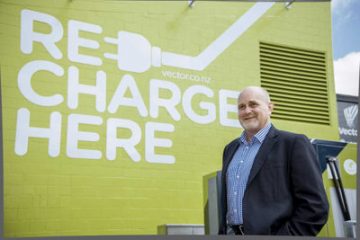
Simon Mackenzie.
A 190% increase in electric vehicle (EV) charging sessions in the year to June 2018 has been recorded by Vector.
That figure supports Ministry of Transport data that shows EV uptake in New Zealand is sky rocketing.
Vector counted 66,000 charging sessions across its 18-strong rapid EV charging network in this 12-month period, compared to 22,700 sessions the previous year.
In total, there were 590mW/h of electricity consumed during the charging sessions, which is enough energy to drive your average EV to France and back 87 times (at the speed limit, and as the crow flies).
Collectively these 66,000 charging sessions have saved 639,000kg of CO2 emissions from entering the atmosphere, Vector says.
“There is no denying EVs are going to play a crucial role in achieving a clean green future for New Zealand,” Vector chief executive Simon Mackenzie says.
“Some experts believe the total cost of ownership of EVs is already below that of petrol cars, so these trends are only heading in one direction.
“While this is great news for the environment, there is still a lot of work to do as an industry to ensure New Zealand’s electricity infrastructure can handle the surge in demand for clean electricity to power our transport industry.”
Vector is determining how the rise of EVs will impact the way electricity is distributed across its networks, so supply can always meet demand, Mackenzie says.
As part of this research in EV trends, Vector recently began trialing a two-way EV charger that transforms EVs into mobile power sources. When connected to a V2G charger at home or work, the charge from an EV is used as a power boost for the building.
“This type of V2G technology has the potential to smooth out the growing impact EVs will have on our peak electricity demand, while also giving people energy reserves on demand, greater flexibility and an alternative to using energy from the grid, Mackenzie says.
“When you add smart solar and battery systems into the mix, you’ve got a truly future-ready energy ecosystem that will diversify energy distribution, lower carbon emissions and reduce consumer costs.”


Join the conversation