
Human-driven cars face UK motorways ban
Human-driven cars could eventually be banned from fully-automated motorways in the United Kingdom.
So says Highways England chief executive Jim O’Sullivan who believes such motorways and other main roads could, in future, be restricted to autonomous vehicles only.
He told the Telegraph
this could happen in about 30-50 years because “in safety terms you couldn’t permit it any longer”.
O’Sullivan says human drivers might be unable to communicate with driverless vehicles and journeys on such roads could be “hazardous” to other motorists.
A future in which vehicles communicate with each other to avoid accidents and reduce traffic congestion “raises potentially profound questions for motoring enthusiasts who enjoy more traditional forms of transportation”, O’Sullivan says.
He told the Telegraph that for a “period of time we will have what is called a mixed economy” and conventional motor cars are a “long way from being phased off the strategic road network”. But he says, “Ultimately I can see a world in the very distant future where they don’t come out onto the strategic road network”.
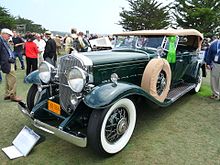
O’Sullivan doesn’t foresee a problem with people continuing to run classic cars and that a fully autonomous vehicle built soon may become a classic car anyway.
The UK will stop the sale of new vehicles running just on petrol or diesel from 2040.
Classic and performance car magazine Octane asks whether petrol and diesel will still be available in a blend that suits classic vehicles , and if fuel prices will rocket and whether filling stations disappear.
“For how long will we be permitted to self-pilot our relics in a sea of computers on wheels?”
It also ponders the future value of classic cars in such a scenario.
“As the generation currently enthused by such vehicles dies out, will the impetus for preservation of historic vehicles diminish?”
Geoff Lancaster of the Federation of British Historic Vehicle Clubs (FBHVC) told Octane it has established the principle that due to their very low impact on total emissions levels, and because of their heritage and cultural value, historic vehicles are to be exempt from these measures.
Gautam Sen of the Federation Internationale des Vehicules Anciens (FIVA) says it’s also asking governments to allow classic cars to co-exist with autonomous vehicles on public roads.
All Party Parliamentary Historic Vehicles Group chairman Sir Greg Knight considers it unlikely the UK Government’s announcement will be delivered in the timescale proposed.
“Even if new petrol cars are banned from being sold from 2040, it would be at least another 15 years before they could be phased out and then only if that was acceptable to the public.
“Classic and historic cars only make up approximately 0.7% of all registered vehicles, so their contribution to air pollution is barely measurable. I would therefore expect any Government to exempt them from a blanket ban on the use of petrol or diesel vehicles.”

Join the conversation