
Volvo and NVIDIA to develop smarter vehicles
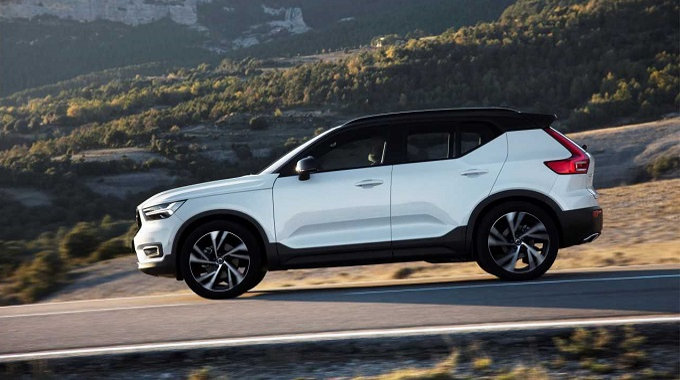
A highly advanced, artificial intelligence (AI) capable core computer is being developed for the next generation of Volvo cars.
Volvo and leading AI computing firm NVIDIA are partnering to develop the computer based on NVIDIA’s Drive AGX Xavier technology.
It will allow Volvo Cars to implement an advanced computing platform for its new cars on the forthcoming scalable product architecture 2 (SPA 2) vehicle platform.
The first car with the new core computer will appear in the early 2020s.
The agreement will deepen the existing collaboration between the two companies. Last year, they started joint development of advanced systems and software for self-driving cars.
Volvo Cars will be able to move closer to implementing advanced driver support systems, energy management technology and in-car personalisation options as a result.
Adding advanced 360-degree perception capabilities and a driver monitoring system, the core computer will help Volvo Cars safely introduce fully autonomous cars.
“A successful launch of autonomous drive will require an enormous amount of computing power as well as constant advances in artificial intelligence,” Volvo Cars president and chief executive Hakan Samuelsson says.
“Our agreement with NVIDIA is an important piece of that puzzle and helps us to safely introduce fully autonomous Volvo cars to our customers.”
The forthcoming SPA 2 architecture forms the basis of all new 90 Series and 60 Series cars launched in recent years.
SPA 2 adds next generation technologies in areas such as electrification, connectivity and autonomous drive. The core computer also provides a much easier route towards regular over-the-air software updates.

Join the conversation