
E-bikes can help people return to work

Electric bikes can provide workers with a safe and sustainable transport option to return to work during the COVID-19 crisis.
And if e-bikes are used to replace car travel they can also can cut car carbon dioxide emissions in England by up to 50% (30 million tonnes annually), the Centre for Research into Energy Demand Solutions (CREDS) at the University of Leeds in Oxford says.
Even replacing just 20% of car miles travelled with e-bike travel would mean four to eight million fewer tonnes of carbon emitted each year, CREDS researchers say.
The study points to the greatest impact on carbon emissions coming from e-bike use outside urban centres.
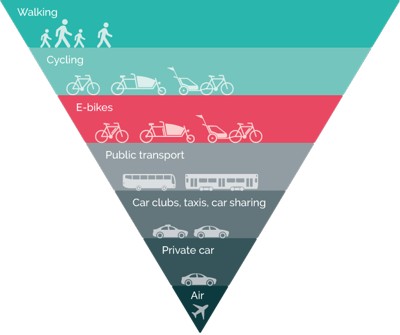 “In Denmark, e-bike routes are already linking cities to towns and villages. e-bikes can help people make longer journeys than conventional cycles, and could bring new transport options to people living outside urban centres,” the study explains.
“In the post-coronavirus recovery, e-bikes could offer a safe way for people to travel.”
Researchers also found that e-bikes could help to cut the costs of travel in neighbourhoods characterised by low incomes, limited access to public transport and where many car journeys could be replaced with e-bike use.
“The strategic potential of e-bikes as a mass-transport option has been overlooked by policymakers so far,” research leader Dr Ian Philips says.
“The research began as a way to measure the potential carbon savings that e-bikes can offer, but as we emerge from the lockdown, e-bikes can be part of the solution to getting people safely mobile once again.
“We’re recommending that governments across the UK should find ways to incentivise e-bike use to replace car journeys.“
The UK government is meanwhile consulting on the use of electric scooters on Britain’s streets.
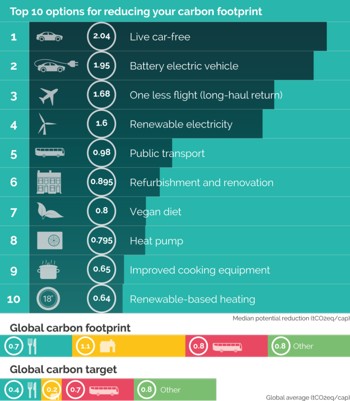
CREDS is also involved in a team of international researchers which screened nearly 7000 studies from across the globe to develop a list of the most effective changes to household consumption to cut carbon footprints.
The team has listed using a battery electric vehicle (BEV), renewable energy, public transport, heat pumps and adopting a vegan diet among the top 10 options.
Household activities account for around two-thirds of global greenhouse gases, the study says, suggesting governments planning for recovery from the coronavirus crisis should consider these options.
CREDS and University of Leeds researcher Diana Ivanova, who led the study, says focusing on energy demand reduction presents the lowest mitigation challenges and provides huge potential mitigation impacts.
“The recent coronavirus crisis ‘lockdown’ has shown the world that options such as living car-free are possible and have a huge impact on the environment. This period of low carbon emissions should motivate governments to strive for strong environmental policies that enable new ways of consuming.”
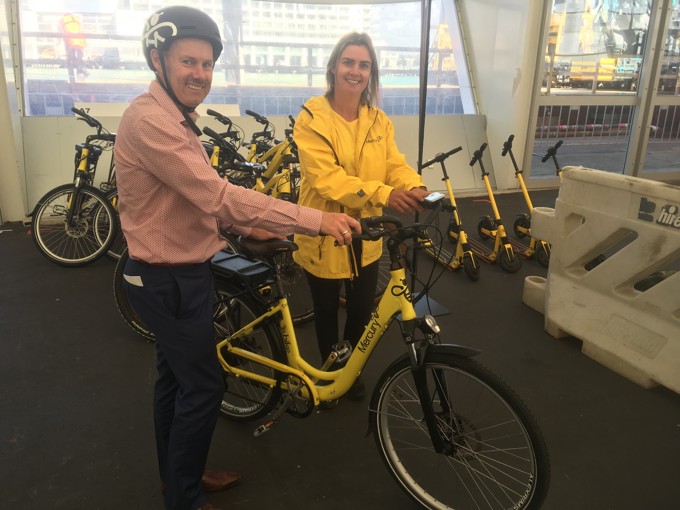
The Tasman District Council has taken a step in that direction, due to add an e-bike to its pool vehicle fleet in June.
It’s expected the e-bike will save 336kg of CO2 over 973 trips of less than 5km annually.
Some other councils, like Auckland, already have a number of e-bikes.


Join the conversation