
EV’s power pays for pavilion parking
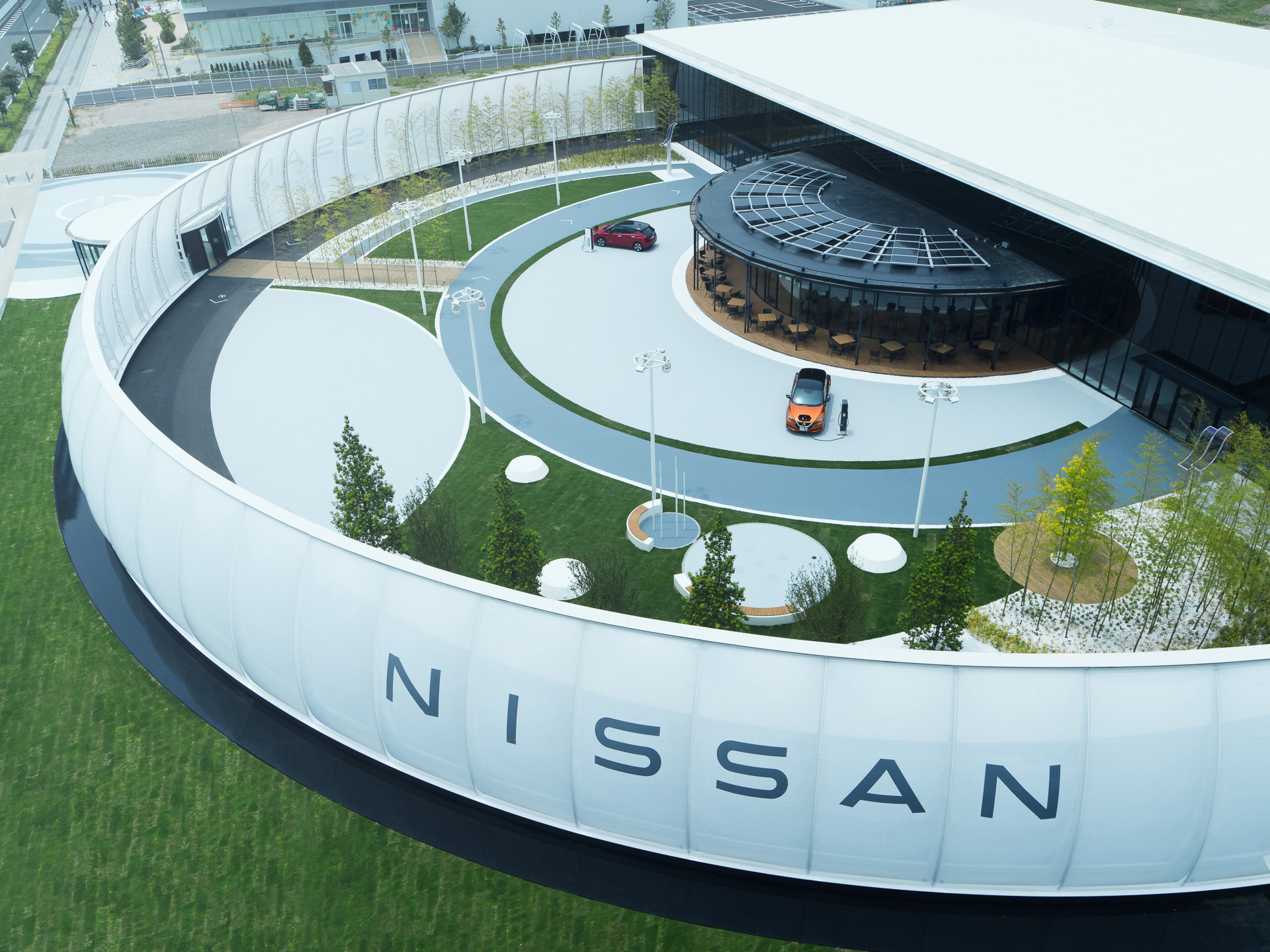
EV drivers can pay for parking by discharging energy from their car’s battery pack while visiting the new Nissan Pavilion exhibition space in Yokohama, Japan, open to the public until October 23.
Nissan says it’s a global first and that the payment system is among many innovations customers can experience at the pavilion, built to show how Nissan moves people to a better world.
Visitors can dine at the Nissan Chaya Cafe, operating on power supplied by Nissan Leafs and solar energy.
They can also enjoy virtual experiences allowing them to feel the thrill of Formula E electric street racing or go for a ride in the new Nissan Ariya EV crossover.
The one hectare, zero-emission pavilion has solar panels and is supplied with renewable hydroelectric power.
“The pavilion is a place where customers can see, feel, and be inspired by our near-future vision for society and mobility,” Nissan chief executive Makoto Uchida says.
“As the world shifts to electric mobility, EVs will be integrated into society in ways that go beyond just transportation.”
Nissan introduced the world’s first mass-market electric car, the Nissan Leaf, in 2010.
Since then, the company has partnered with governments and businesses around the world to expand the uses of EVs.
Its Nissan Energy Share technology and Nissan Energy Storage technologies allow electricity from EV batteries to be stored, shared and repurposed, such as powering homes or businesses.
In Japan, Nissan has also entered agreements with local governments to use Leafs as mobile batteries that can supply energy during natural disasters.
In another partnership, the company is repurposing used EV batteries to power streetlights.
As part of the Nissan NEXT transformation plan, the company intends expanding its global line-up of EVs and electric motor-driven cars, including e-Power.
Nissan aims to sell more than a million electrified vehicles a year by the end of the 2023 financial year.
Guests at the pavilion can also experience other innovations, including the ProPilot advanced driver assistance system as well as Nissan’s Invisible-to-Visible (I2V) technology, which combines information from the real and virtual worlds to assist drivers.
By playing a virtual tennis match with Grand Slam champion and Nissan brand ambassador Naomi Osaka in the pavilion theatre, children and adults can learn about I2V and get a feel for how the technology will make driving more convenient, comfortable and exciting when it’s eventually installed in cars.
The Mobility Hub in front of the pavilion offers a variety of services, including EV car-sharing and rental bicycles.
Visit https://www.thenissannext.com/en/virtual-tour.html for a virtual tour.



Join the conversation