
Funding for H2 fuelling stations
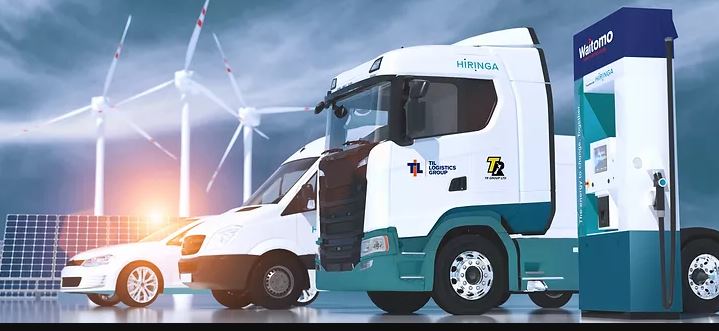
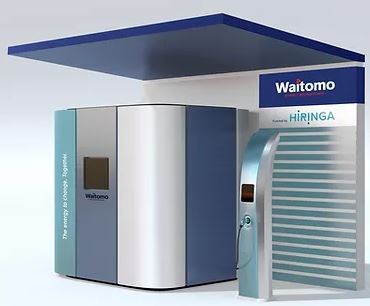
About $20 million has been provisionally approved for New Plymouth-based Hiringa Energy to establish a nationwide network of hydrogen fuelling stations.
The money coming from the Infrastructure Reference Group (IRG) for the stations will start supplying zero emission fuel to trucks, buses and commercial fleets from 2021, energy and resources minister Megan Woods says.
Hiringa estimates the initial network will provide coverage for about 95% of heavy freight routes in the North Island and 82% of the South Island.
Stations will be in the Waikato, Bay of Plenty, Taranaki, Manawatu, Auckland, Taupo, Wellington and Christchurch.
“This is an exciting development that can kick start the use of hydrogen as a low-emissions transport fuel for New Zealand’s energy future,” Woods says.
“I’m delighted that as we develop our hydrogen strategy that we have such exciting hydrogen developments getting underway.”
The project is intended to build the foundation for a national network that facilitates the use of hydrogen for commercial and heavy transport fleets to decarbonise New Zealand’s transport sector.
The project’s success will unlock further investment in a network expansion across both the North and South Island, ensuring green hydrogen refuelling becomes available for all key industrial and heavy transport hubs throughout New Zealand, Woods says.
The network will also help stimulate significant private sector investment in zero emission heavy vehicles.
“Projects like this one are exactly type of the investments we need to be making in order to bend the curve of our emissions downwards, and to create a safer, cleaner planet for our children and grandchildren,” climate change minister James Shaw says.
The project will directly create more than 50 permanent jobs and at least 100 contractor and vendor jobs across the regions.
As the network is subsequently expanded there will be direct employment for more than 300 workers across New Zealand, the ministers say.
It will build hydrogen technical capability in New Zealand and create opportunities for equipment manufacturing, operations and maintenance, and future technology exports.
“Hydrogen is a great opportunity to decarbonise our heavy vehicle fleet and lessen our reliance on imported fuels like petroleum and diesel. It also opens us opportunities to produce hydrogen to meet our energy needs,” Woods adds.
The $20m IRG contribution will leverage a further $49m from Hiringa Energy, joint venture partners and other private investors for the project.
Eight stations will be installed initially.
The IRG was formed by ministers to work with councils and businesses to identify projects to support the economy during the COVID-19 rebuild.
The $50 billion COVID Response and Recovery Fund (CRRF) set out in Budget 2020 earmarked $3 billion for infrastructure projects and Cabinet has approved in principle more than 150 projects worth $2.6b.
They are in addition to the $12 billion New Zealand Upgrade Programme and existing Provincial Growth Fund investments.


Join the conversation (1)
How do they create the hydrogen? If it’s from reformed natural gas then this is pointless as an emissions reduction effort. If it’s from electricity and water via hydrolysis then that’s awesome.