
Could a ‘15-minute City’ apply here?
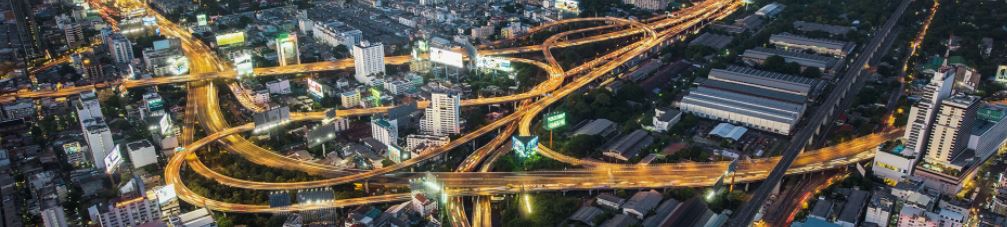
New concepts such as the “15-minute City” in Paris point the way to prolonging people’s experiences with cleaner air and less traffic after the COVID-19 pandemic.
While zero emission transport like EVs are being increasingly adopted in many countries, Paris mayor Anne Hidalgo has gone a step further with her concept of the “15-minute City”.
Parisians should be able to reach everything they need for life from their doorstep within 15 minutes on foot or by bike (including e-mobility such as e-bikes and e-scooters).
That includes supermarkets, health centres, schools, parks and workplaces.
To make this possible, Hidalgo’s first action was to block central traffic routes for cars and convert them into bicycle expressways.
“Paris was quick to react to the pandemic, minimising the impact of COVID-19 with a new mobility concept that made social distancing easier,” Kapsch TrafficCom Asia-Pacific executive vice president Matthew McLeish says.
“While many cornerstones of the 15-minute City concept are basically correct, it is also a very long-term approach.
“But as our survey shows, we need quicker wins to keep traffic-related emissions at the current levels, and to reduce them even further in the future.
“We can offer intelligent transportation systems today to reduce congestion. These solutions not only allow for immediate improvements. They also lay the basis for flexible and sustainable long-term changes.”
The Kapsch TrafficCom Index 2020 survey found 68% of Australians urgently want to reduce emissions from road traffic, while 64% believe noise, air pollution and other burdens are responsible for health problems.
It’s probably a similar story in New Zealand.
In Austria, it’s even higher with 89% wanting traffic emissions reduced and 84% concerned about associated health issues.
The negative effects of road traffic have returned very quickly to the political agenda after the COVID-19 crisis lockdowns.
The goal of clearing the streets for bicycles (including e-bikes, e-scooters and the like) and pedestrians is pursued by many future-oriented cities around the world.
“But you do not achieve a significant impact by only shifting the traffic to other districts of the city,” McLeish says.
“Cities need to adopt a holistic approach.”
That is why he recommends introducing a digitally connected mobility management platform.
This includes traffic light control systems which automatically adapt to the current traffic situation, reducing congestion times in cities by up to 25%.
is an international provider of intelligent transportation systems.

Join the conversation