
Boris bans ICE
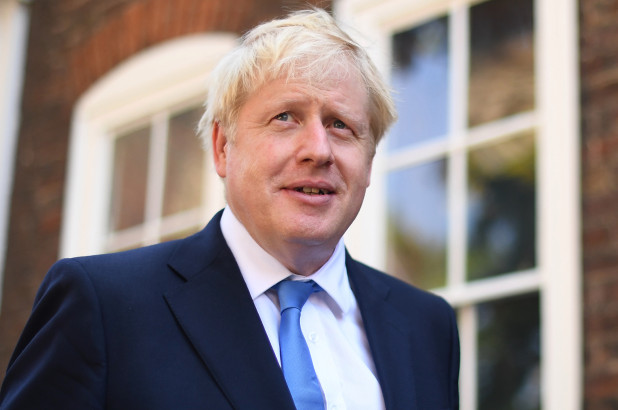
A ban on internal combustion engine (ICE) sales by 2030 has been announced by British prime minister Boris Johnson under a 10-point ‘green industrial revolution’ plan.
However, the sale of some hybrid cars and vans will continue until 2035 in the UK.
The 12 billion pounds plan includes 582 million pounds in grants for electric cars, 1.1 billion pounds funding for EV charging infrastructure, boosts for offshore wind power, hydrogen production, new nuclear power based on small, advanced reactors; and supporting green energy use in the maritime and aviation sectors.
Johnson says the green plan will create and support hundreds of thousands of ‘green’ jobs while moving quickly towards net zero emissions by 2050.
Public transport, cycling (including e-bikes) and walking are encouraged.
Reaction so far includes reports from some the move is “bold” for electric transport which will create big ripples in other countries, but there’s also criticism the plan doesn’t go far enough and shouldn’t include nuclear power.
Those ripples are likely to hit New Zealand, with climate change minister James Shaw already urging action before the country becomes a dumping group for the UK’s ICE vehicles.
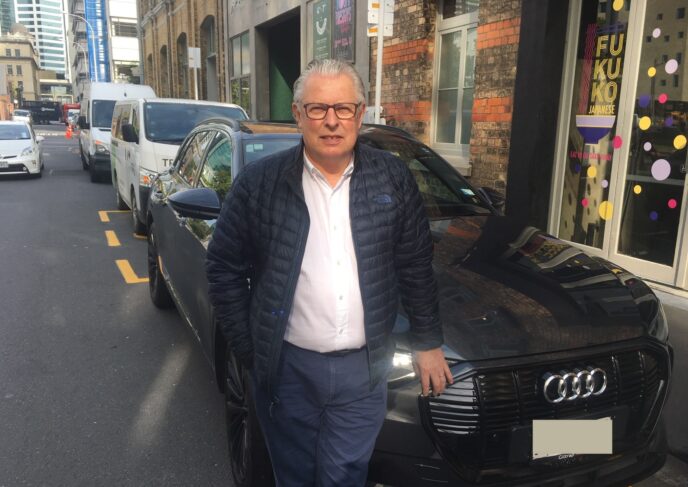
Drive Electric chair Mark Gilbert says Johnson’s green industrial revolution announcement is a wake-up call for New Zealand.
He says Shaw understands the repercussions for this country.
“The government should get on with it rather than tinker around the edges – the world’s moving further away from us.”
Gilbert says New Zealand doesn’t have to be at the “bleeding edge” of such change but should follow closely.
Now that Johnson has made the announcement Gilbert says New Zealand needs to come up with a clear plan around supporting e-mobility and clean transportation.

Join the conversation