
Kerbsides to aid future transport?
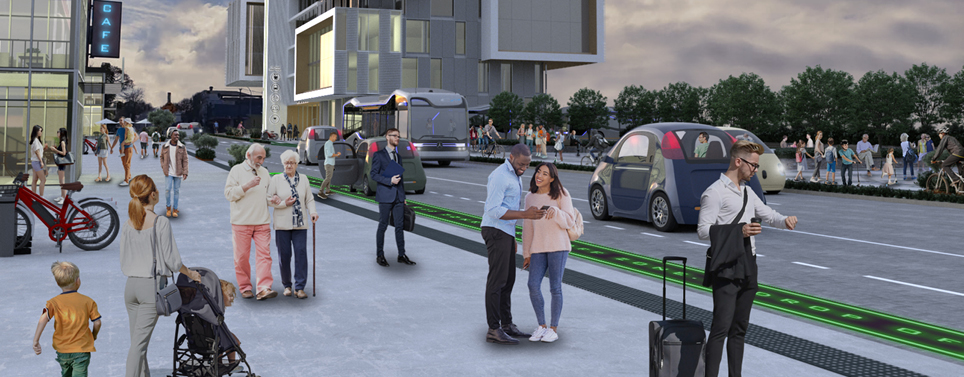
Uber and WSP have jointly released a white paper Future Ready Kerbside to ensure kerbsides and streetscapes enable the places people want now and into the future.
Using two case studies, Crown Street in Sydney and Onehunga Mall in Auckland, the white paper examines how the kerbside is allocated and managed during the day and evening and what impacts that has on people and place – especially with e-mobility.
It then envisions how these kerbsides could be reimagined to create better places, support future transport technology, and improve access for the delivery of people and goods to support local business.
Uber Australia and New Zealand general manager Dom Taylor says kerbside demand is already at a premium, and this will only increase as transport technologies shift to a shared, electric and automated future.
“Unless governments, communities and businesses work together, decisions made decades ago will continue to shape the future of our urban spaces,” he says.
“Take for example the amount of space unquestionably dedicated to parked cars, which prevents people travelling in more environmentally friendly ways.
“This results in a lack of enjoyable public space and inhibits the growth and ambitions of local businesses by failing to provide for alfresco dining or micro freight.
“With demand for shared transport, like rideshare, and food and light goods delivery only set to grow, how we allocate the in-demand kerbside will shape how liveable our cities are and how quickly we can embrace the benefits of new transport technologies,” Taylor says.
“At Uber we believe future transport technology presents a huge opportunity to improve the liveability of our cities and lead us to a zero emissions future, but we’ve got to get the basics right. Making the kerb work harder is a great place to start.”
WSP’s Future Ready lead Graham Pointer says the way we manage and allocate the kerbside has a significant impact on achieving what we want from our places, on how people move within them and enjoy the public realm.
“Despite its importance, the kerbside is often overlooked as a passive infrastructure asset reflecting legacy policies, not used productively to realise a vision for the future,” he says.
“But there are steps that cities, governments, local businesses and communities can take today to create more liveable places that embrace the opportunity future transport provides.
“What this white paper reveals is that we need to act now if we are truly serious about creating great places for people now and into the future, and how we manage and allocate the kerbside is a crucial part of that.”
Recommendations include co-designing the vision, taking a people and place first approach so that new mobility is an enabler and not a detractor, dynamically managing and allocating the kerbside to use it more productively – especially using emerging technology, and moving from general parking to pick-up/drop-off for people and goods and micromobility.


Join the conversation