
More EVs needed
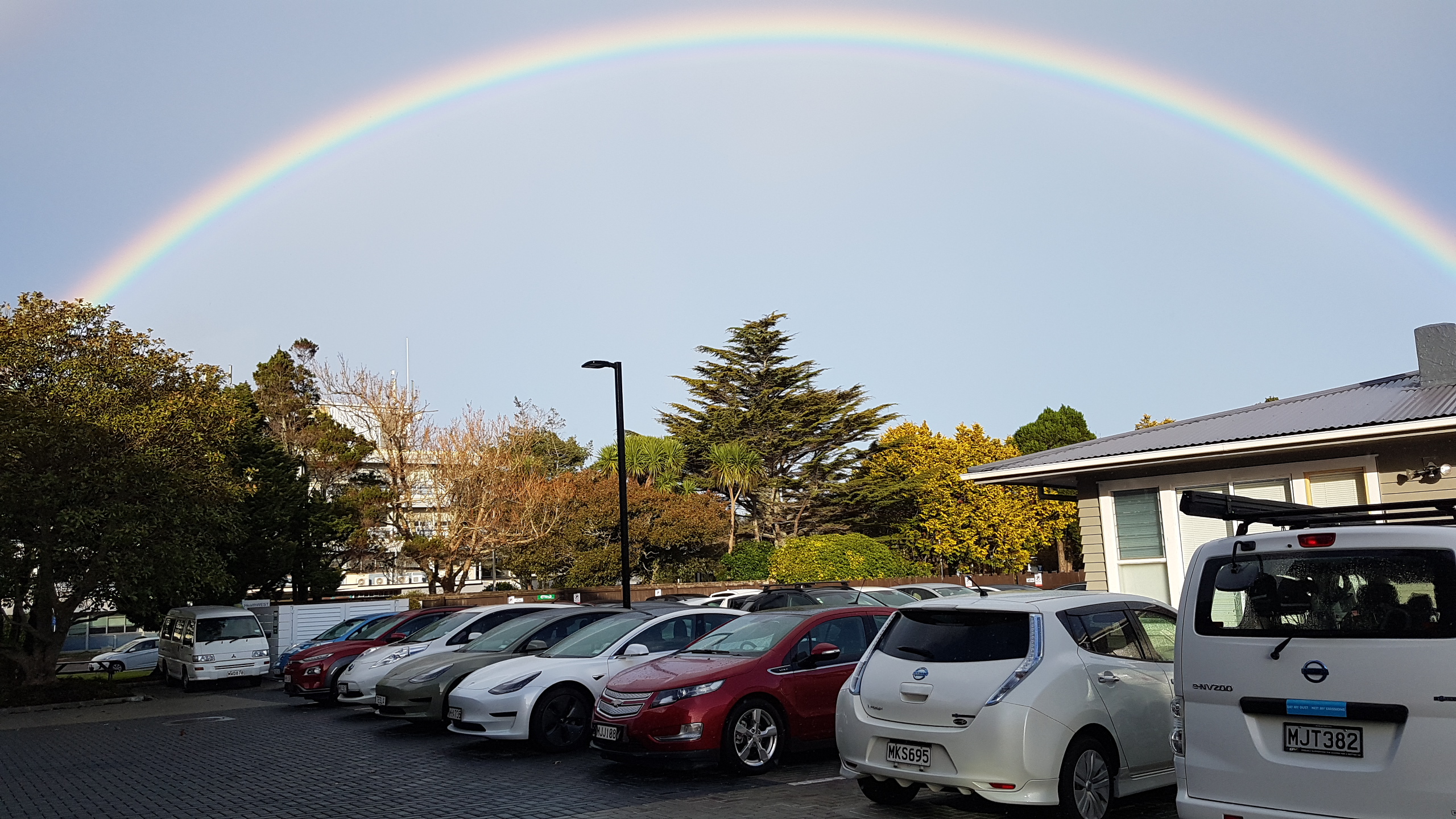
Government policies to reduce emissions are inadequate according to transport officials who want more done to increase EV uptake.
Officials warn In a briefing to new transport minister Michael Wood the transport sector needs to be nearly fully decarbonised for New Zealand to have a chance of reaching its 2050 goal of net zero emissions, Stuff reports.
They expect New Zealand will find it difficult to meet its obligations under the Paris Agreement on Climate Change to reduce emissions to 30% below 2005 levels in 2021-2030.
Transport contributes 47% of New Zealand’s carbon dioxide emissions, which means that without largely decarbonising transport the country cannot reach net zero by 2050, they say.
Emissions from that sector have gone up by 90% since 1990.
Decarbonising road transport should lead policy development as road transport accounts for 91% of transport emissions, officials say.
Emissions are projected to keep rising until 2024 then decline nearer 2030.
Officials warn that even this forecast “is now considered to be too optimistic” with rising emissions likely past 2024 reflecting slower EV and other low emission vehicle uptake, Stuff adds.
Warnings are repeated too that New Zealand could become a dumping ground for dirty vehicles.
“New Zealand risks being exported vehicles that other countries ban. Many states (including right-hand drive suppliers the UK and Japan) are considering or have set dates after which petrol and diesel car sales will no longer be allowed, starting from as early as 2025,” officials say.
They urge greater emphasis on investment, policies and innovation allowing Kiwis to make sustainable transport choices and say New Zealand needs to rapidly decarbonise light vehicles.
That suggests officials remain interested in aspects of the proposed Clean Car plan, including a “feebate” which penalises polluter to subsidise low emission vehicles – likely to be mainly EVs but with hybrids and low carbon fuels also in the mix.
Officials say policy work on the Clean Car standard is well advanced, adding it will deliver “complementary measures to boost demand for low emission vehicles and lift their supply over the short term”.

Join the conversation