
AT explores hydrogen refuelling
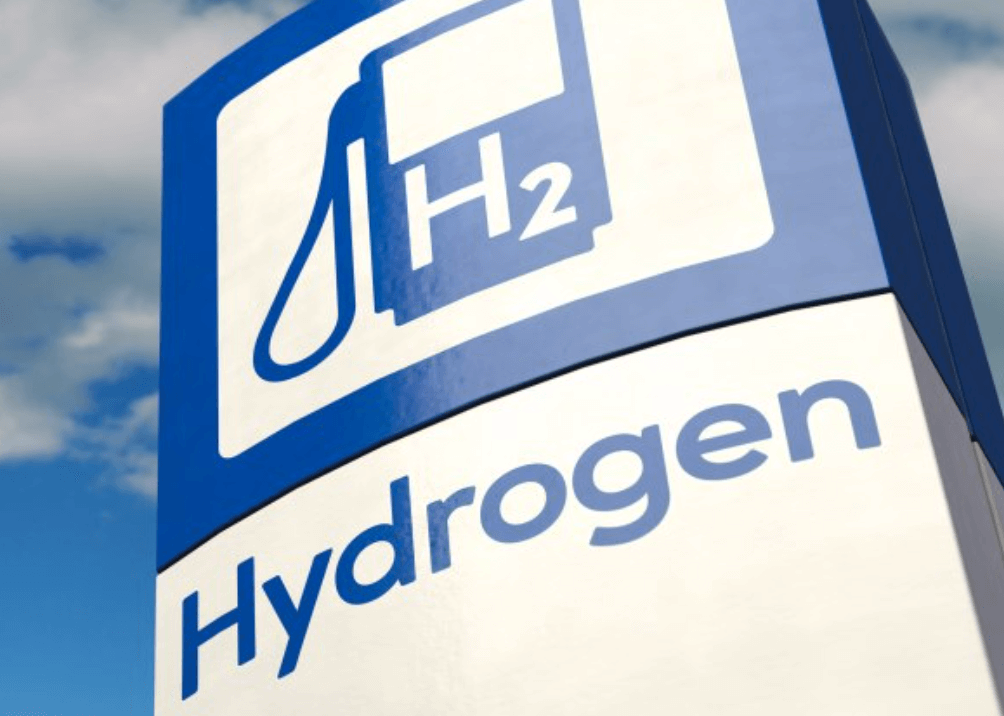
Auckland Transport (AT) and Hiringa Energy are looking at trialling hydrogen powered bus services using a hydrogen refuelling facility being developed in south Auckland.
Through the development of the Low Emission Bus Roadmap, AT has identified hydrogen as a potential energy storage and fuel for Auckland’s future low emission public transport fleet.
AT has been assessing hydrogen fuel cell (FCEV) bus options to support the transition to zero emission buses and is a key partner of the hydrogen demonstration project with Ports of Auckland.
“Transport makes up more than 40% of Auckland’s emissions profile, so transitioning to low and zero-emissions vehicles is important to helping Auckland achieve its climate change goals,” Auckland mayor Phil Goff says.
“With the right infrastructure, hydrogen has the potential to power our buses and other parts of our vehicle fleet, which will help reduce emissions and lower air pollution in Auckland.”
AT chief executive Shane Ellison says there is a great benefit in exploring, with Hiringa, potential hydrogen refuelling solutions for low emission bus and ferry services using green hydrogen fuel.
“This would support our existing work with Ports of Auckland. Fuel cell buses meet the heavy daily demands of public transport.
“Hydrogen-powered buses and ferries would overcome the challenges of large and heavy battery packs on bigger buses and ferries,” he says.
“Hydrogen fuel offers far greater flexibility for public transport operators and will complement battery electric services.”
Hiringa Energy chief executive Andrew Clennett says his company is thrilled to be working with AT to ensure all future buses are zero emission.
“We applaud AT’s forward thinking and approach to emissions reduction and look forward to working with the team to leverage our refuelling network and capability to ensure green hydrogen is available when needed.
‘We often see people expecting a two horse race between hydrogen and battery electric with only one winner. In reality it’s going to need a mix of both technologies, with each playing to its strength,” Clennett adds.
“That’s what we are seeing internationally and analysis for the New Zealand fleets suggests this is going to be the optimal approach.”
Clennett says hydrogen performs most effectively for the higher use buses that need to stay on the road, providing a service day and night, and covering the most kilometres.
These buses produce the most emissions in a diesel fleet, and hydrogen will help public transport operators rapidly decarbonise their fleets without compromising their existing service.
AT will now focus on exploring hydrogen fuel cell bus fleet deployment, with a selected bus operator contracted by AT, under a new bus fleet ownership model incorporating hydrogen supply.
It will also investigate the potential supply of green hydrogen to support possible hydrogen ferry services.
Visit AT for more information.

Join the conversation