
New Peugeot 308 PHEV hybrid here early 2022
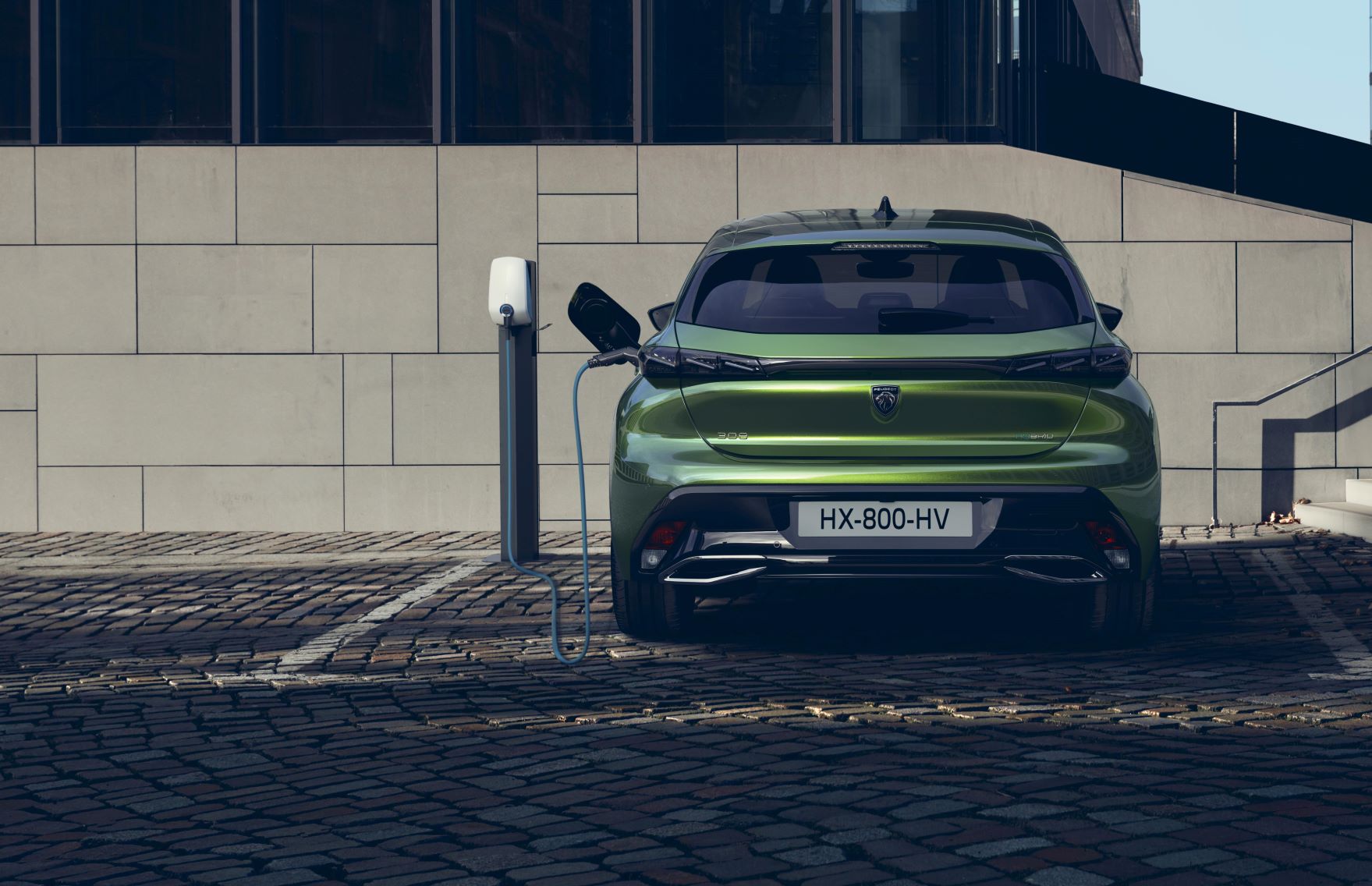
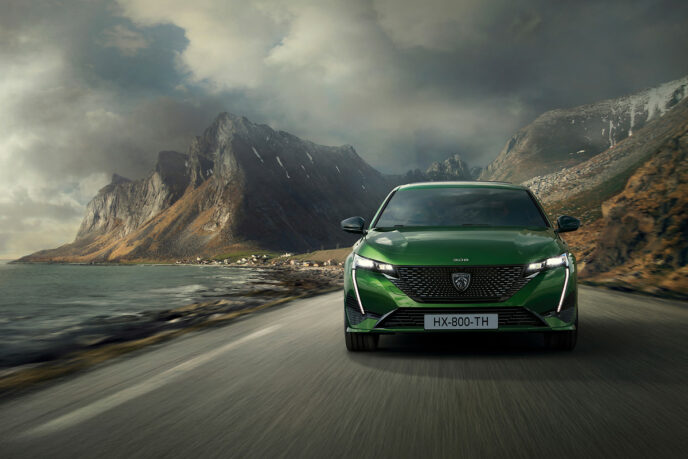
Peugeot’s new 308, the first new model to wear the French brand’s new logo, has shown its face for the first time but won’t get here until early next year.
Local range, specifications and price won’t be known till closer to the car’s arrival, but Peugeot is promising better aerodynamics, a bigger cabin, a suite of semi-autonomous driver assistance programmes, more connectivity, and a new infotainment system.
Engine choices? There’s no mention of an EV option in Peugeot’s media releases but internationally there will be more efficient petrol and diesel engines, and plug-in hybrid electrified powertrains.
However, the door is still open for an EV version. The 308 is built on a version of Peugeot’s efficient modular multi-energy platform (EMP2), which can accommodate fully-electric powertrains.
From launch, however, two PHEV plug-in hybrid versions are available, both front-wheel drive.
One combines a 132kW PureTech engine and an 81kW electric motor and an eight-speed automatic gearbox. It has a 59km all-electric range.
The second has a 110kW petrol engine and an 81kW electric motor and eight-speed automatic and is can do 60km on electricity alone.
The PHEVs have 12.4kWh lithium-ion batteries, a power of 102kW and offer a choice of two types of on-board chargers. A 3.7kW single-phase charger is standard and a 7.4kW single-phase charger is optional.
Peugeot has released details of charging times for the PHEVs.
From a Wall Box (32A) 7.4kW, for a full charge in 1h 55m with the single-phase (7.4kW) on-board charger.
From a reinforced socket (16A), a full charge will take 3h 50m with the single-phase on-board charger (3.7kW).
A full charge from a standard socket (8 A) will take 7h 05m with the single-phase (3.7kW) on-board charger.
The new 308 is bigger than its predecessor, with length up 110mm to 4360mm and the wheelbase 55mm longer at 2675mm. Height reduces to 1440mm. Luggage space with the rear seatback up is 412 litres which rises to 1323 litres with the seatbacks folded.
Join the conversation