
Realistic emissions reduction plans needed – AA
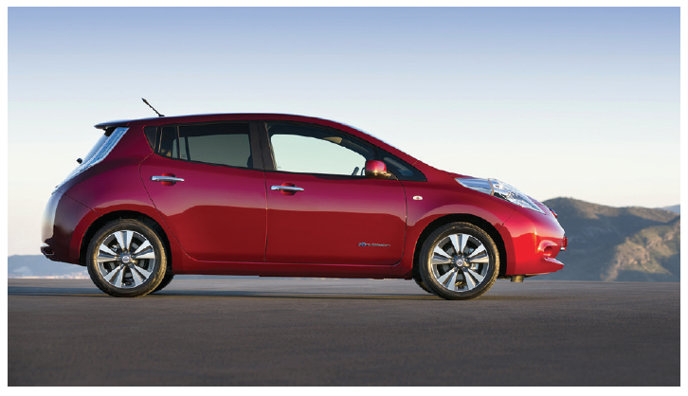
It’s very unlikely that New Zealand will be able to access or afford in this decade the numbers of EVs hoped for in the Climate Change Commission’s report released this week.
That’s one response from motorists’ organisation the Automobile Association (AA), and it says emissions reduction plans need to be realistic and not impact adversely “ordinary New Zealanders“.
The AA says the Climate Change Commission’s targets for reducing transport emissions will need more focus on what New Zealand can do in the present.
The association recognises the important contribution transport needs to make to reduce emissions, and supports the Government’s long-term aim of minimising the environmental impact from transport.
“There are plenty of good initiatives that the AA supports in what has been proposed by the Climate Change Commission but we believe there are some key pieces of the puzzle that should be greater priorities,” says AA policy and research manager, Simon Douglas.
“Having many more electric and low-emissions vehicles on our roads will obviously be a major part of reducing the country’s greenhouse gases.
“And introducing a feebate to incentivise people buying cleaner cars as well as setting emissions standards for vehicle imports will also help with this.
“But those actions are going to take time to make a noticeable impact and from the AA’s knowledge of the car industry we think it will be very unlikely that New Zealand will access or afford EVs in the numbers hoped for this decade.”
Douglas says that means “we also need to focus on what can be done to make the biggest difference with the cars in our current fleet and the AA believes biofuels are a much more important part of the answer”.
“It’s good that using biofuels is part of the plan that has been released but we should be aiming much higher than a 5% target by 2035.
“New Zealand generally has about 300,000 vehicles enter our fleet every year, compared to about 4.6 million vehicles on our roads already so there is huge potential to reduce emissions by greening the fuel current vehicles run on.
“Motorists are collectively paying at the pump more than $500m a year into the Government’s coffers right now as a price for emissions through the Emissions Trading Scheme (ETS),” Douglas says.
“The AA has been calling for that money collected from motorists to offset their emissions to be dedicated to actions that do just that and those funds need to be immediately committed to rapidly developing our own biofuel production plants at the scale necessary.”
He says the AA believes plans to tackle climate change need to be realistic.
“Cars (either ICE, hybrid or electric powered) will remain the major method of transport for most New Zealanders for the foreseeable future and the majority of people buy vehicles for less than $10,000.
“It will be many years before there are large-scale volumes of EVs available for New Zealanders to buy at affordable prices.
“A new EV is currently around twice the price of its equivalent petrol or diesel fuelled alternative.
“We need to make sure that we don’t make changes that penalise ordinary New Zealanders who would like a lower-emissions vehicle but can’t afford one.
“The AA is concerned that rising prices for vehicles will result in people hanging on to older vehicles even longer than they currently do and that wouldn’t be good for emissions or road safety,” Douglas adds.
“We need a balanced approach that ensures it doesn’t become unaffordable for people to upgrade their vehicles.”

Join the conversation