
Secondhand Teslas in NZ selling for more than retail price
Rising petrol prices locally and abroad, coupled with the combined impacts of COVID-19 and a semi-conductor shortage on vehicle supply have already resulted in car prices across the spectrum rising in New Zealand.
Now, in some cases, the ongoing war in Ukraine and its knock-on effects appear to have pushed vehicle prices into overdrive.
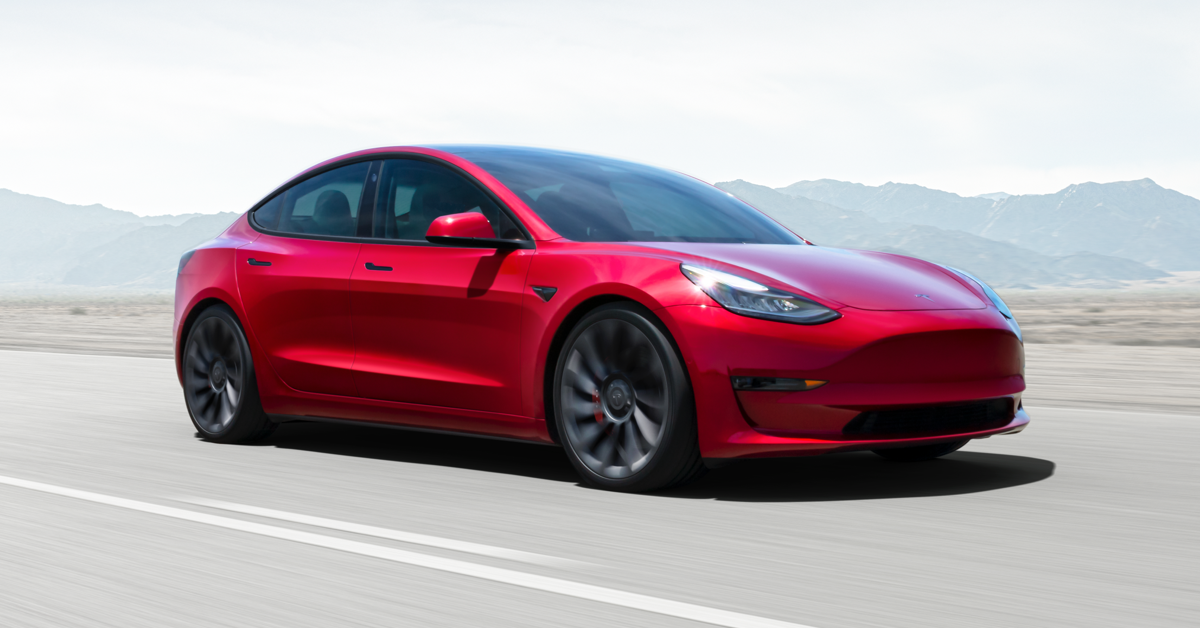
The Tesla Model 3, New Zealand’s most popular new electric vehicle, appears to be a case in point. The model has always been known for strong resale values, but secondhand examples available locally appear to be on the rise.
This came to a head on the weekend, when a secondhand entry-level Model 3 sold on Trade Me for $76,000; almost $2000 more than the vehicle’s $74,200 retail price.
Admittedly, that listed retail price does not include on-road costs. It also doesn’t include the optional blue paint that the seller added, which they stated was a $1700 extra.
According to the seller, the car was effectively brand new. The seller had only taken delivery of the car some three days before listing it for sale online with a starting bid of $75,000.
“As much as I love this car I’ve decided to pay down the mortgage,” the seller said in the auction description.
The seller noted that they had claimed the government’s $8625 Clean Car Discount rebate for new BEVs on the car following delivery. Factoring in the Model 3’s recent price increase from $68,900 to $72,400, the seller’s entrepreneurship has likely netted them more than $10,000 in profit.
There are currently six 2021 Tesla Model 3s listed for sale on Trade Me. Five are listed with specific ‘buy now’ prices, and four of those have been advertised for more than $70,000. Three of the four are ‘Standard Range Plus’ variants, meaning they’re advertised for more than their 2021 retail price.
The Model 3’s current popularity isn’t just down to recent petrol price increases. It also links to a lack of local supply.
The wait for a new Model 3 is understood to be at least six months; a number likely strained by numerous shutdowns at the marque’s Shanghai GigaFactory this month and by a parts shortage caused by the war in Ukraine.
Join the conversation