
EU ICE ban from 2035 a step closer
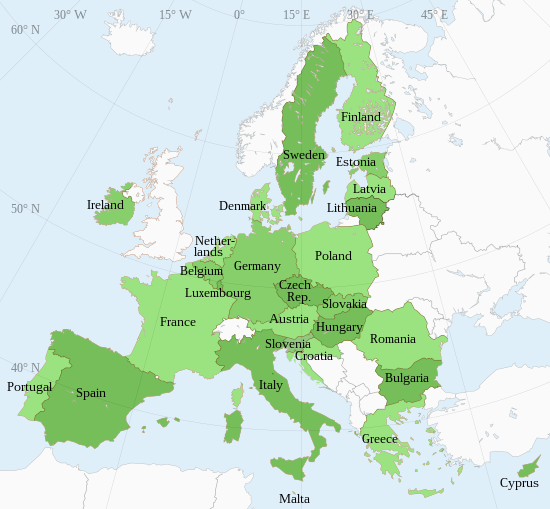
The European Union (EU) is closer to banning the sale of new internal combustion engine (ICE) passenger and light commercial vehicles by 2035, with the European Parliament backing the EU’s plan.
Last year, the EU proposed the ban, with the proposal recently presented to the European Parliament where lawmakers supported the target.
The plan could effectively kill off fossil fuel-powered vehicles, making EVs and hydrogen fuel-cell vehicles (FCEVs) the main market choices, with most European and other automotive manufacturers aiming to ditch ICE ahead of the 2035 deadline.
The move is part of the “Fit for 55” climate package.
The EU environment committee voted in favour of requiring car manufacturers to reduce their average fleet emissions by 20% by 2025 compared to 2021, 55% by 2030 and 100% by 2035. However, the demands for a new interim target for 2027 and a higher target of 75% CO2 reduction for 2030 were rejected, according to media reports.
The EU Commission presented the climate package in July 2021 and the EU Parliament is expects to vote on the environment committee’s ruling on June 7 or 8 with negotiations among EU governments then held on the final law.
No allowance is apparent for synthetic fuels.
The environment committee wants the EU Commission to present a report by the end of 2023 “detailing the need for targeted funding to ensure a just transition in the automotive sector, to mitigate negative employment and other economic impacts”.
It also seeks a “a common EU methodology by the commission, by 2023, for assessing the full life cycle of CO2 emissions of cars and vans placed on the EU market, as well as for the fuels and energy consumed by these vehicles”.
The regulation is intended to encourage production of zero- and low-emission vehicles, especially with fuel costs expected to remain high for some time.
Many automotive manufacturing companies have already announced plans to stop selling ICE cars in Europe by 2035, with some people suggesting a huge rollout of charging infrastructure is also required.
The EU is negotiating proposals to require countries to install public charging points along major roads.

Join the conversation