
EU a step closer to ICE ban
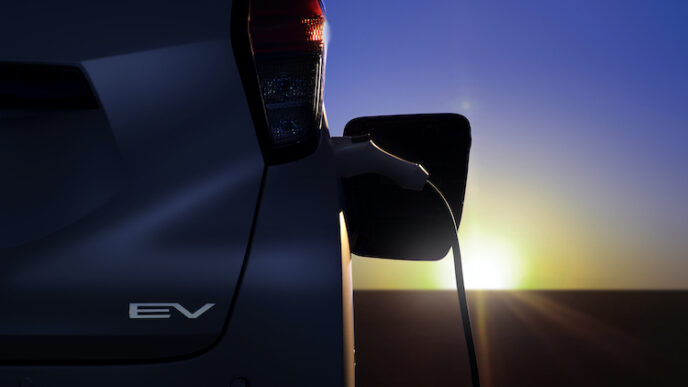
A proposed ban on new fossil-fuel car sales from 2035 is closer to fruition after the Council of the EU agreed to an accelerated switch to EVs and says negotiations with the European Parliament can begin to reach agreement on the final legal texts.
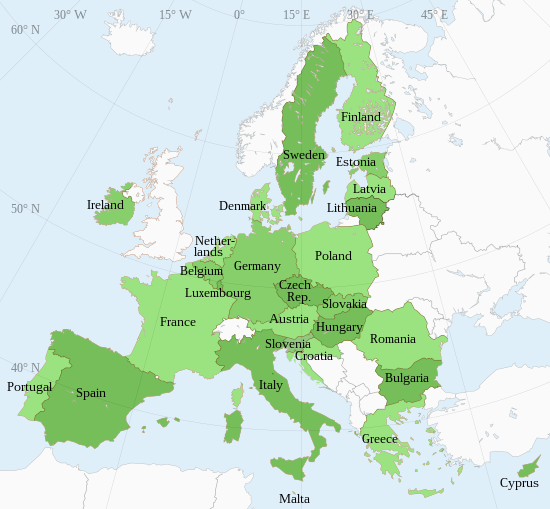
The European Union (EU) has proposed an effective ban on the sale of new petrol and diesel cars from 2035 in the 27 member countries as part of a broad climate package which would Introduce a 100% CO2 emissions reduction target by 2035 for new cars and vans.
EU countries reached a deal following talks to back stricter climate rules.
Draft legislation aims at cutting EU greenhouse gases by at least 55% in 2030 compared with 1990 rather than a previously agreed 40%.
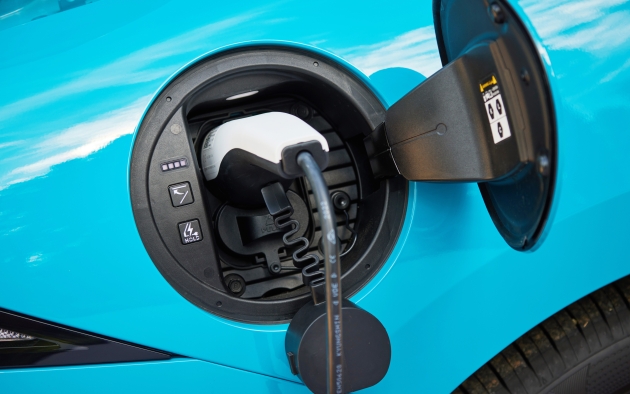
However, an earlier report indicates a need to introduce more EV charging stations.
Known as the “Fit for 55” package, it was presented by the European Commission on July 14, 2021, also proposes a “Social Climate Fund” to cushion the impacts of a new price on CO2 in the transport and heating areas and for investments in more efficient buildings and lower-emission mobility.
About 25% of all greenhouse gas emissions in the EU comes from transportation.
“The achievement, led by the French presidency, of an agreement between the member states on the ‘Fit for 55’ package is a crucial step in attaining our climate objectives within the main sectors of the economy,” says French energy transition minister Agnès Pannier-Runacher
“The member states adopted a common position on EU emissions trading system (EU ETS), effort-sharing between member states in non-ETS sectors (ESR), emissions and removals from land use, land-use change and forestry (LULUCF), the creation of a social climate fund (SCF) and new CO2 emission performance standards for cars and vans.”
The EU Emissions Trading System (ETS) is a carbon market based on a system of cap-and-trade of emission allowances for energy-intensive industries and the power generation sector.
The council agreed to pay particular attention to decarbonising the maritime sector under the Innovation Fund, and it improved the governance and transparency of both funds.
It also agreed to create a new, separate emissions trading system for the buildings and road transport sectors, along with a phase out of free emission allowances for the aviation sector by 2027.
In 2026, the commission will assess the progress made towards achieving the 100% emission reduction targets, while the council agreed to end the regulatory incentive mechanism for zero- and low-emission vehicles (ZLEV) as of 2030.

Join the conversation