
ERP marks zero carbon milestone
The release of New Zealand’s first Emissions Reduction Plan (ERP) marks a significant milestone in our country’s transition to a zero-carbon future.
So say the Sustainable Business Council (SBC) and the Climate Leaders Coalition (CLC) which are pleased to see many of their recommendations reflected in the plan and look forward to playing their part into turning the plan into concrete action.

Z Energy chief executive and CLC convenor Mike Bennetts says the action taken now will be vital in determining the success of New Zealand’s transition to a zero-carbon economy.
“The ERP gives us the framework. We now must urgently deliver on it. That will require business and government working at unprecedented scale and pace to meet the challenge ahead.”
CLC will soon launch a new statement of ambition to reflect signatories’ desire to unite New Zealand businesses to accelerate our transition towards a zero-carbon and resilient future, Bennetts adds.
“Locking in a bipartisan emissions reduction trajectory is critical to enabling private sector investment decisions that support a low-emissions future.”
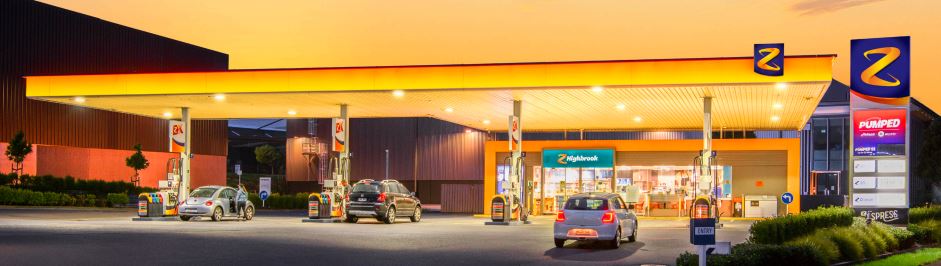
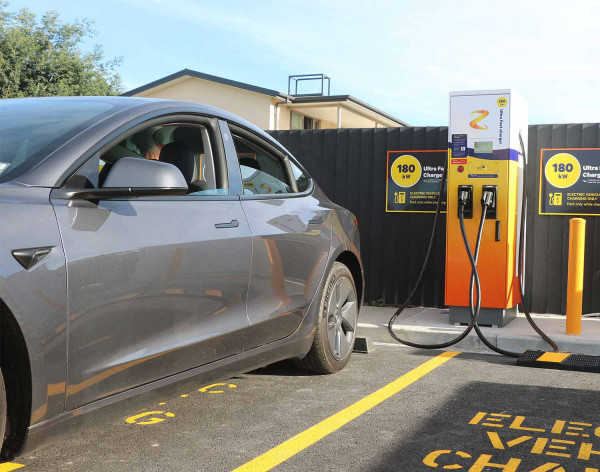
Z Energy (now coming under Ampol which intends retaining the Z Energy brand) is already moving out of petrol and installing EV charging stations.
SBC executive director Mike Burrell notes: “Given that much of the ERP will require action and investment from the private sector, it is critical that business and government work in close cooperation.
“We would like to see a clear role for the private sector in implementation of the ERP.”
Burrell says SBC members have called for bold action to start now rather than waiting for the perfect plan.
“We’re getting on with it and are pleased to see many of our key recommendations reflected in this first ERP, including in energy, transport and agriculture.”
SBC and CLC also welcome many of the energy sector proposals, including step change in investment in the Government Investment in Decarbonising Industry (GIDI) Fund and complementary actions to support process heat conversions.
The transport actions now include ambition to decarbonise the freight sector by 2050 and measures to get there as laid out in SBC’s Low Carbon Freight Pathway.
“Our members recognise that business as usual is no longer an option,” says Burrell.
“We have moved into a new era where climate action is the new business as usual, and it is pleasing to see a plan that is starting to reflect that movement.”


Join the conversation