
2023 the Year of the Ev

I ncreasing numbers of Kiwis are ditching the pump for the plug as EVs start going mainstream in New Zealand. Already there are more than 50,000 battery electric vehicles (BEVs) and plug-in hybrids (PHEVs) in the country.
Drive Electric chair Mark Gilbert predicts next year will see even more EVs enter the market as carmakers ramp up production.
“I think it will be a big year for EVs,” says Gilbert who attributes much of the driving force to changing attitudes and growing demand, incentives like the Clean Car programme, and more EVs coming from traditional carmakers and from China.
Taking a Uber ride recently, Gilbert was delighted it was in a Chinesse-made MG ZS EV the driver had just bought. Teslas are among the better-known cars coming from China, and the Chinese BYD Atto 3 is very popular. BYD is also reportedly investigating introducing sodium ion EV batteries (instead of lithium-ion ones), making its new EVs more affordable yet still having reasonable range.

There’s now little doubt New Zealand’s incentives are encouraging EV manufacturers to look more closely at this market.
e Ford Ranger (1527 units) and ahead of the Toyota Hilux (925), and Tesla has moved into sixth place overall with 5% market share (5726 units), says the MIA.
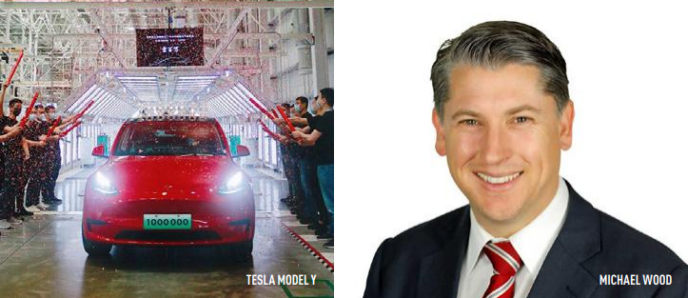
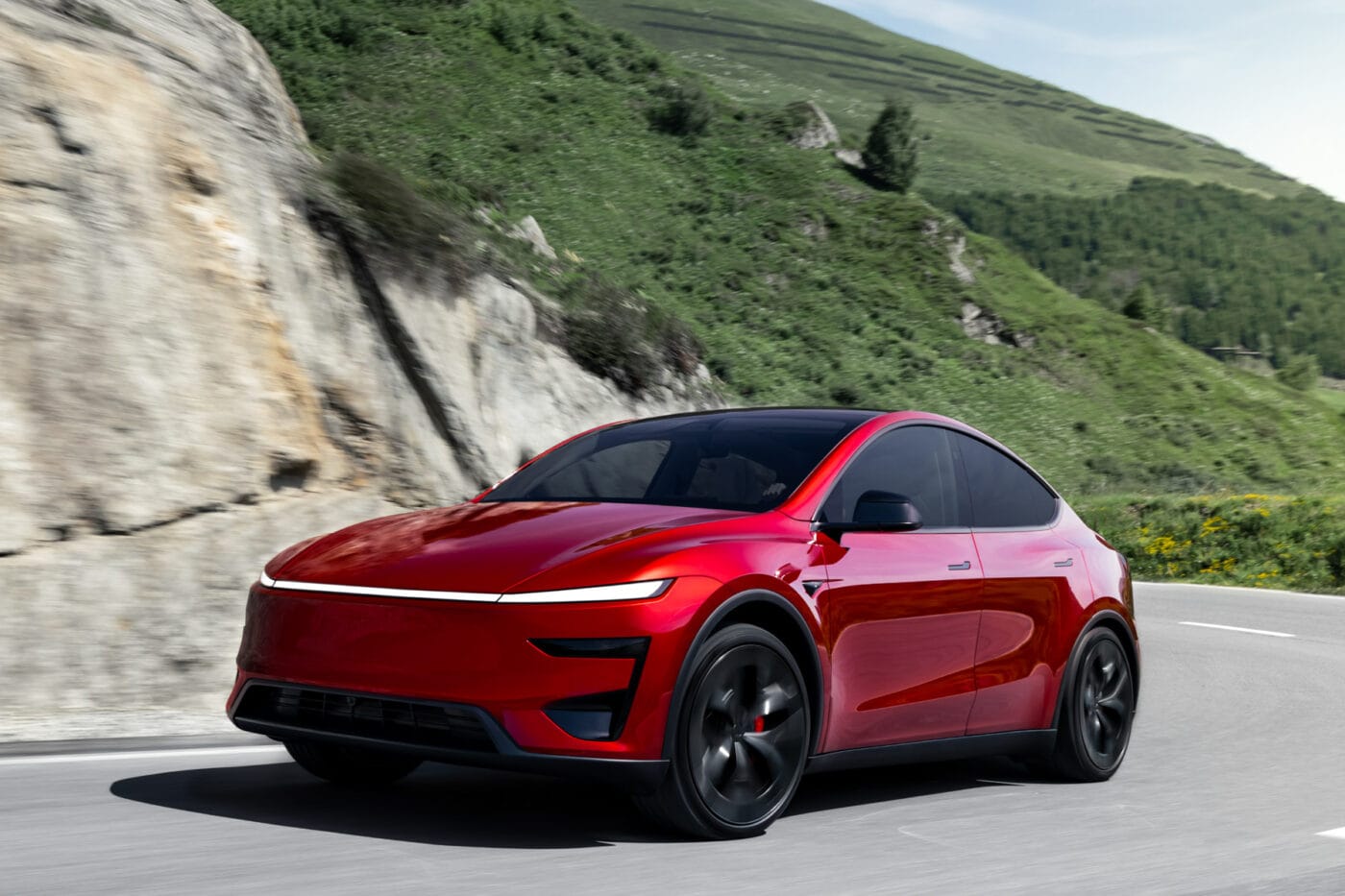
The top-selling EVs in November were the Tesla Model Y (1099), BYD Atto 3 (475), Tesla Model 3 (266), MG ZS EV (212), Polestar 2 (106), Hyundai Ioniq 5 (46), Hyundai Kona (38), Nissan Leaf (38), and Kia Niro (29).
About 2488 BEV passenger vehicles, 65 BEV light commercials, 23 BEV heavy vehicles, 542 plug-in hybrids, and 1704 petrol hybrid vehicles were sold in November That’s in spite of a 4.3% year-on-year drop in overall November sales with 15,621 registrations.
Overall, the market year to date is 0.2% down on the first 11 months of 2021, says MIA principal technical adviser Mark Stockdale.
Supply problems, changes to the Clean Car Discount introduced in April and the Clean Car Standard about to take effect on January 1 have all affected the sales total.
Transport minister Michael Wood says though imported vehicles incur a credit or charge based on CO2 emissions from January 1 next year, payment of the charges has been deferred until June 2023 to ensure smooth implementation for the industry.
“The system encourages importers to bring in a sufficient number of low- and zeroemission vehicles that attract credits to offset the charges applied to higher emitting vehicles.”
All vehicle importers must have a CO2 account, where the CO2 emission ratings of their vehicles are recorded. From January 1 next year the CO2 emission ratings of vehicles start to count towards the achievement of CO2 targets.
Credits can be used to offset charges or be transferred to other importers, and the charges paid and credits transferred from June 1. Meanwhile, there’s talk of a possible slight delay to reinstating the fuel tax, which was cut by 25 cents a litre in March.
The cut was then extended to January 31 next year. Reports suggest the Government may issue a decision on the tax before Christmas. The full reinstatement of the tax is expected to lead to another surge in EV purchases. Higher powered EV chargers are being rolled out by companies including ChargeNet.
Range anxiety is evaporating, with many new EVs capable of exceeding 300 to 400km on a single charge and smart EV chargers take the guesswork out of home charging. Increasing numbers of chargers are being installed in shopping malls and along popular tourism routes.

Join the conversation