
Honda goes electric
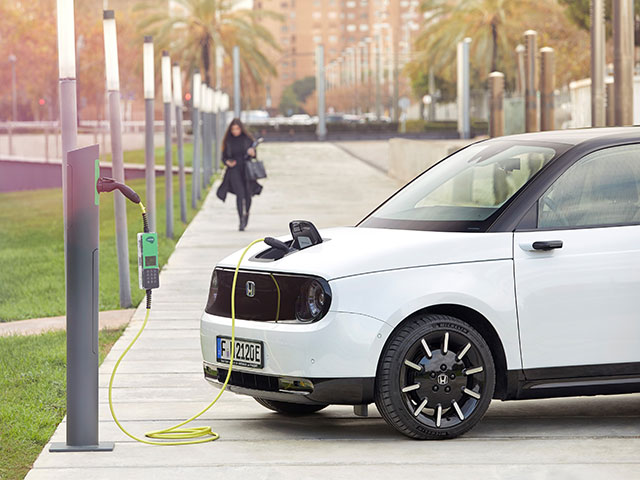
Honda is ramping up its electrification plans.
It aims to have 100% EV and hydrogen fuel cell electric vehicle (FCEV) global sales by 2040, planning to produce more than two million EVs annually by 2030.
Honda says it will continue working on the procurement and development of batteries, as well as securing stable procurement of battery materials by building strong partnerships with resource recycling businesses.
In addition to the advancement of liquid lithium-ion batteries, Honda will develop and introduce next-generation batteries such as semi-solid-state and all-solid-state batteries.
The Japanese automotive brand says it has been building cooperative relationships with semiconductor manufacturers, including a strategic collaboration with Taiwan Semiconductor Manufacturing Company Limited (TSMC).
In North America, a mid- to large-size EV model based on Honda’s original dedicated EV platform will go on sale in 2025.
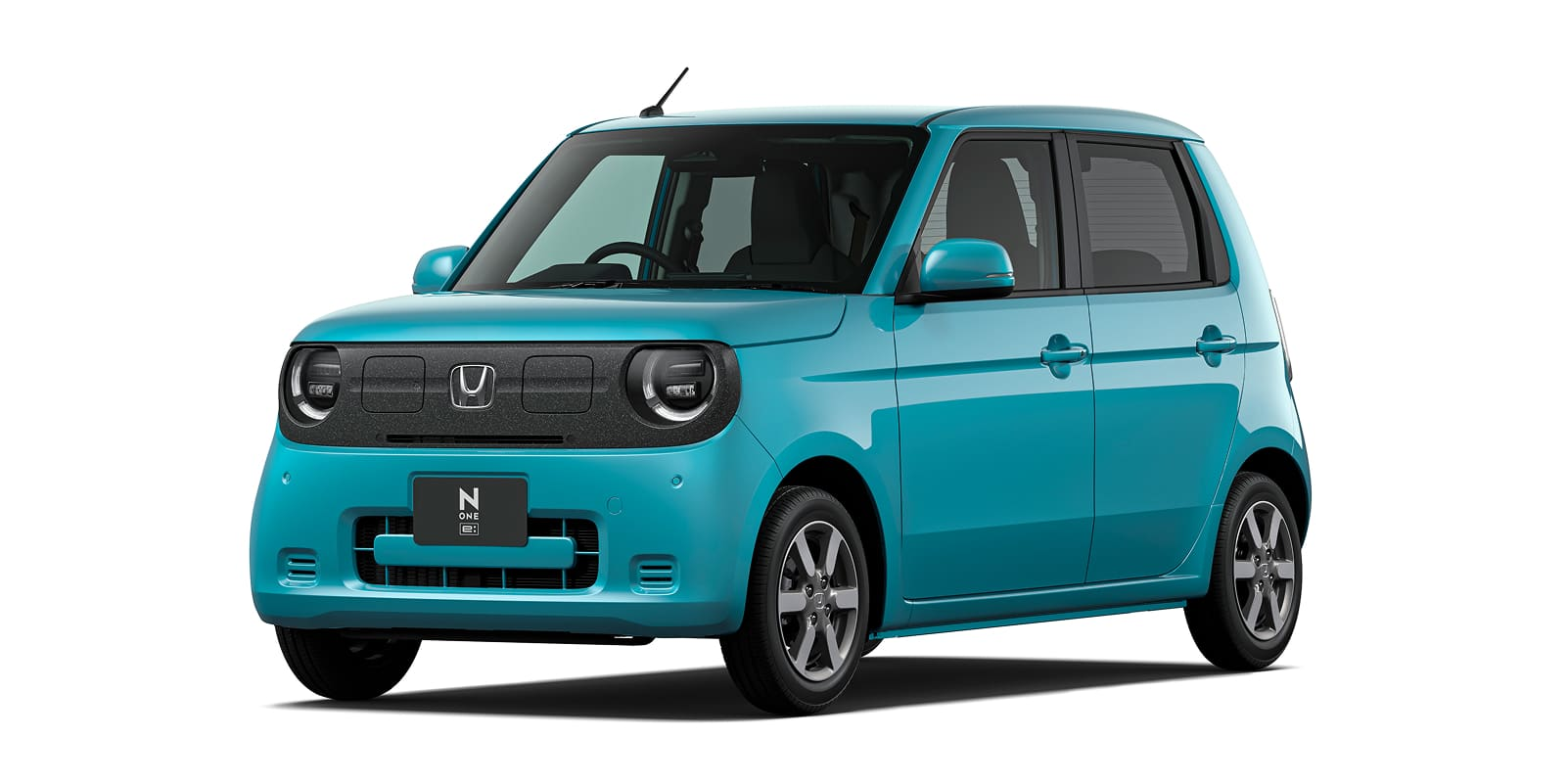
And In Japan, an EV model based on the N-ONE will go on sale in 2025, and two small-size EV models, including a SUV type, will be offered in 2026, says Honda.
In early 2024, the e:NS2 and e:NP2 will go on sale in China, it says.
Before the end of 2024, mass production models based on the e:N SUV xù concept model will go on sale. The e:N SUV xù concept model was unveiled at Auto Shanghai this month, Honda adds.
By 2027, Honda will introduce a total of 10 new EV models, including these three, and the brand aims to make EVs 100% of automobile sales in China by 2035 – ahead of other regions.
In Japan in the first half of 2024, a N-VAN-based commercial-use mini-EV model will go on sale.
Honda will further strengthen its alliance with General Motors.
In addition to codeveloping a series of affordable electric vehicles which will go on sale in 2027 and beyond, the two companies will continue exploring a broad range of collaboration which will combine their respective strengths and increase competitiveness in core electrification components.
Honda will also start offering EV charging services.
For home recharging, based on the Honda SmartCharge, an EV charging service is available in North America.
Honda is planning to roll out an energy business that utilises the power supply capability of EVs..
For public charging, Honda says it will work toward the establishment of an EV charging services environment for its customers in collaboration with providers of convenient and reliable charging networks.
Honda also aims to improve its automotive earnings structure.
”The amount of fixed costs for FY2023 (fiscal year ended March 31, 2023) was reduced by more than 10% compared to FY2019,” it adds.
“The break-even point for FY2023 based on the percentage of production capacity utilization was roughly 80%, an improvement from roughly 90% in FY2019.
“Honda will strive to make a continuous recovery in sales and achieve a return on sales (ROS) of 7%, which has been Honda’s FY2026 company-wide management target.”
The brand also intends doubling planned numbers of new hirings in software-related areas and has created the new position of global user experience (UX) officer.
It has secured an annual budget at the 100 billion yen (NZ$1.2 million) level for research into next-generation mobility as well as for fundamental research activities.
Honda Innovations was newly established in April in Japan to strengthen open innovation with start-ups.
A press briefing was held by Honda on April 26 around progress toward its business transformation and electrification. Honda executives at the event included president Toshihiro Mibe and executive vice president Shinji Aoyama.
Key objectives include zero environmental impact and deaths in collisions involving Honda motorcycles and automobiles.
Five key factors for mobility advancement are power unit carbon neutrality, an energy management system using power units, resource circulation, automated driving and advanced driver-assistance systems, and the Internet of Things (IoT)/connected.
Honda says that due partly to the contribution of its motorcycle business, which has established a strong earnings structure, the brand has been able to secure a sufficient level of free cash flow in spite of the tough business environment.
It plans to introduce 10 or more electric motorcycle models globally by 2025 and aims to increase annual sales of electric models to 3.5 million units, equivalent to about 15% of total unit sales, as of 2030.
Honda will launch the EM1 e: electric scooter equipped with a Honda Mobile Power Pack e: swappable battery in Japan, Europe and Indonesia by the end of this year.

Join the conversation