
Ford confirms PHEV Ranger, full towing and payload capacity

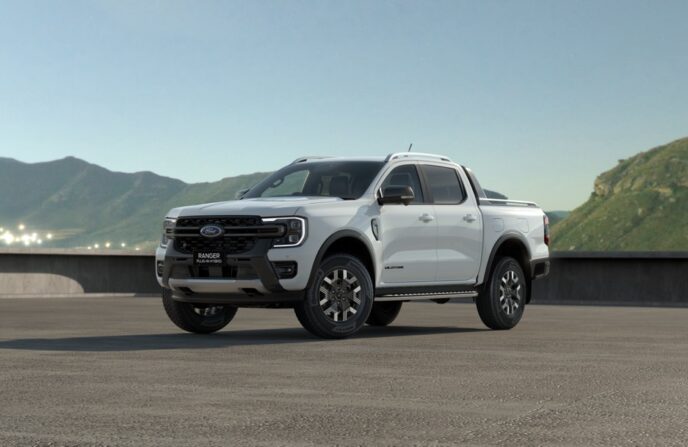
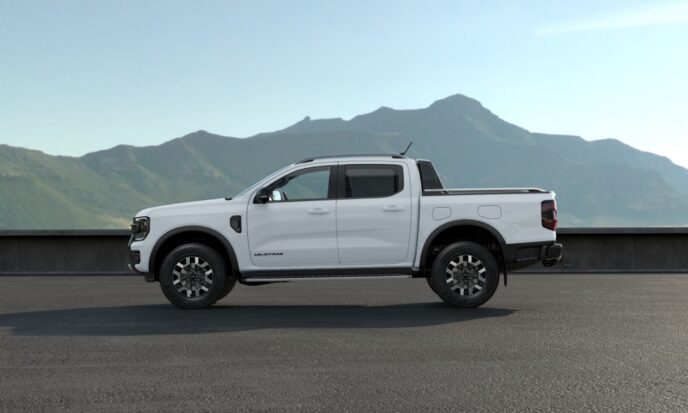
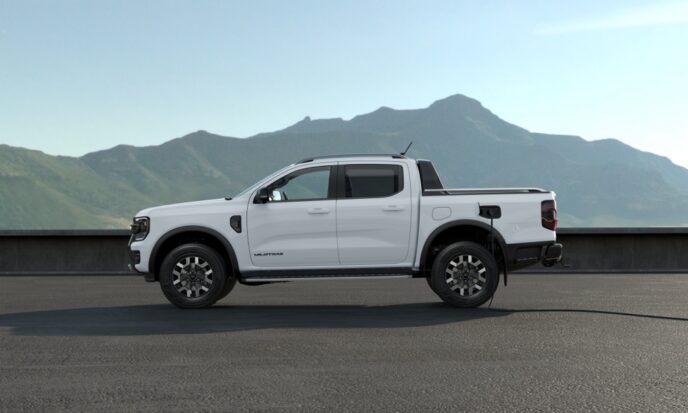
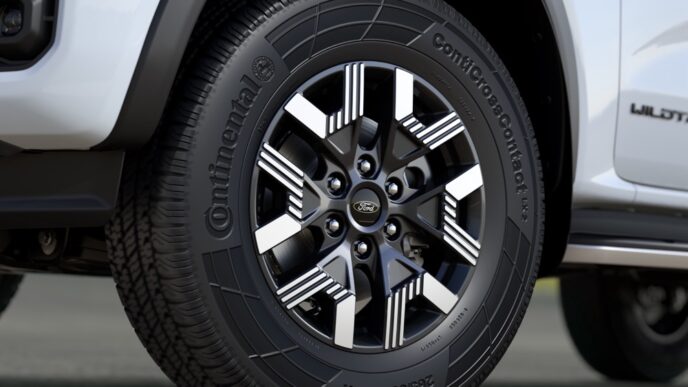
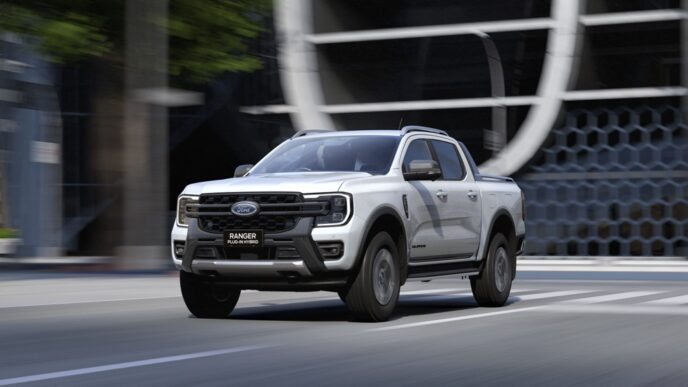
Ford has confirmed what many in the car industry already suspected: a plug-in hybrid version of the popular Ranger ute was in development.
However, prospective buyers might want to hold off on placing orders. Deliveries aren’t expected to begin until late 2024 or early 2025, and more specific details remain under wraps. By that time, at least four other electrified utes would have made their debut, including the electric LDV T60, mild hybrid Ram 1500, Toyota Hilux, and the anticipated plug-in hybrid and subsequent BEV BYD ute.
The new model will utilise the 2.3-litre turbocharged petrol engine, already seen in Rangers and Volkswagen Amaroks overseas. This engine, on its own, generates 222kW and 452Nm. When paired with an electric motor, Ford hinted that it might offer more torque than any other Ranger available – implying figures exceeding the 600Nm offered by the V6 turbo-diesel variant.


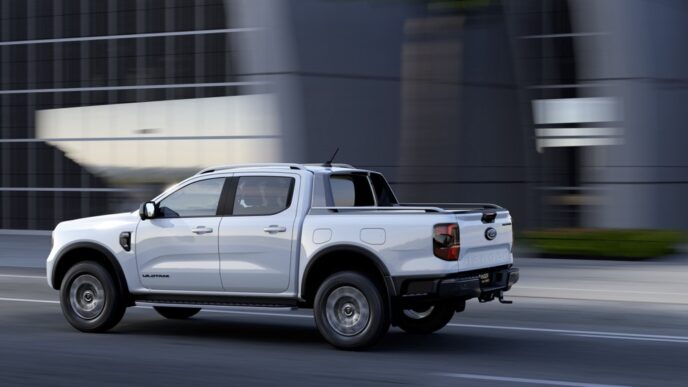
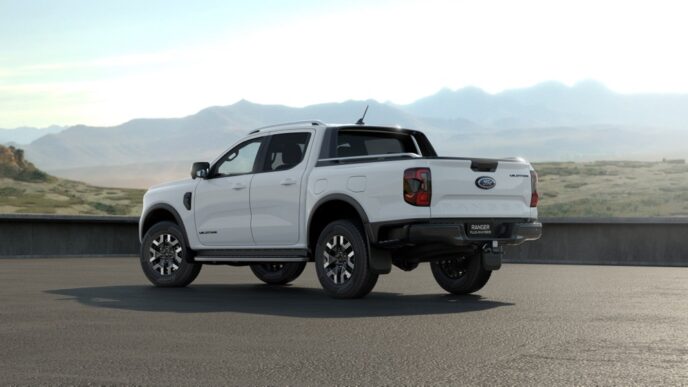
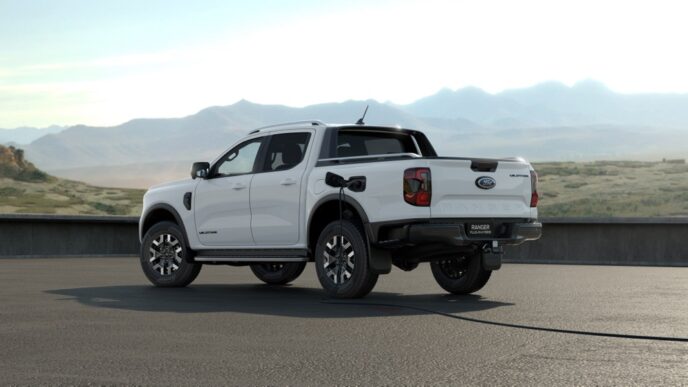
As of now, there’s no specific CO2 emission data, leaving its eligibility for benefits under the Clean Car Discount or Clean Car Standard unknown.
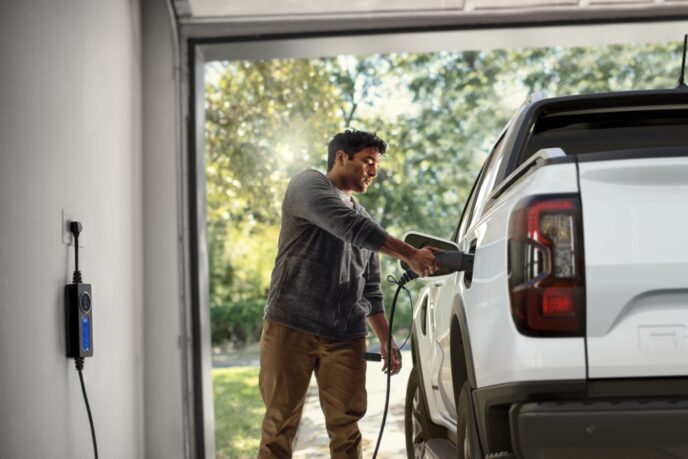
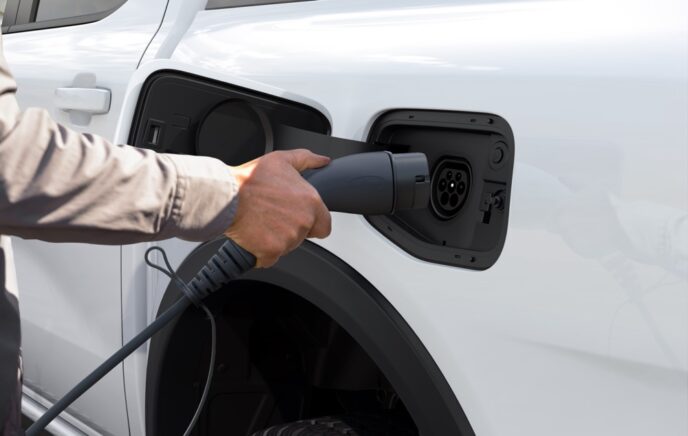
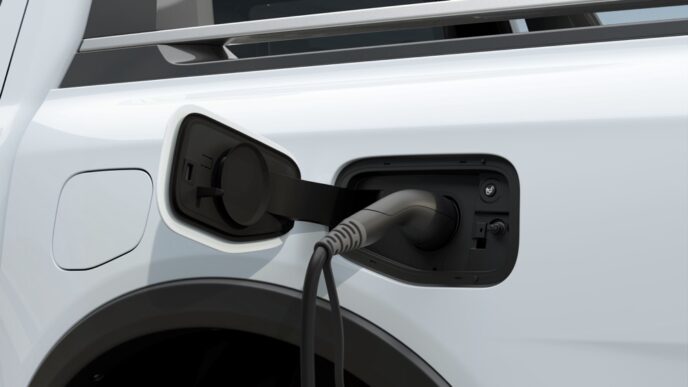
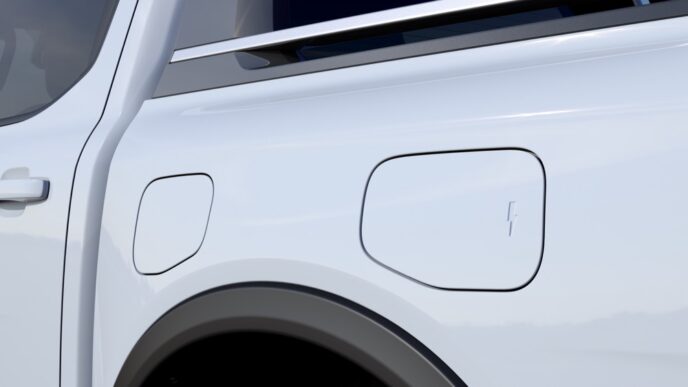
Ford promised an electric-only range of 45km but didn’t provide details on the battery’s size or the power available in this mode. Users can opt between an EV-only mode, an automatic hybrid setting, or a ‘save’ mode to conserve battery power. The EV-only function can be geofenced, potentially useful for upcoming low-emission zones or particular worksites.
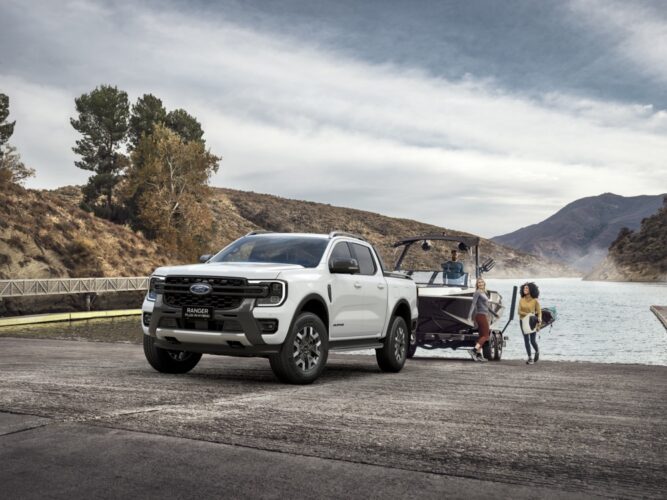
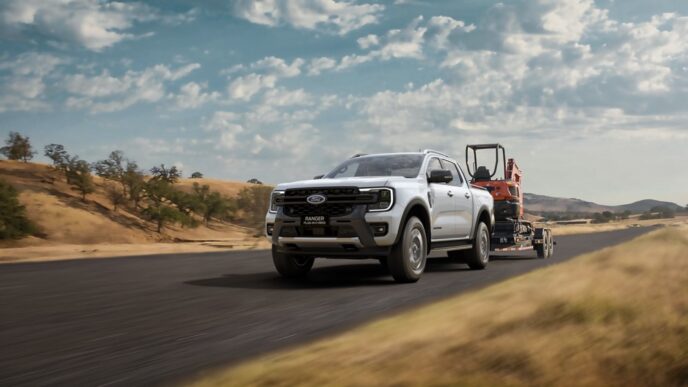
The planned maximum braked towing capacity for the Ranger Plug-In Hybrid stands at 3,500kg, matching its diesel counterparts.
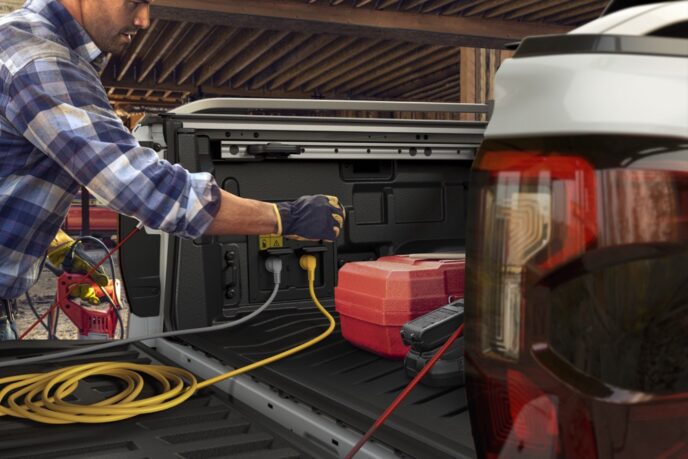
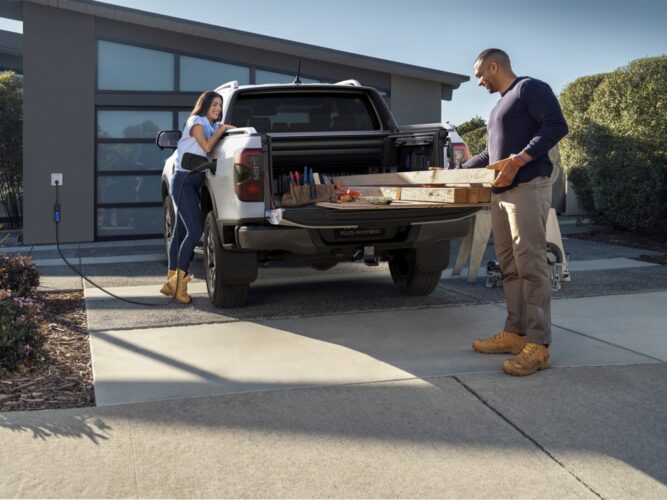
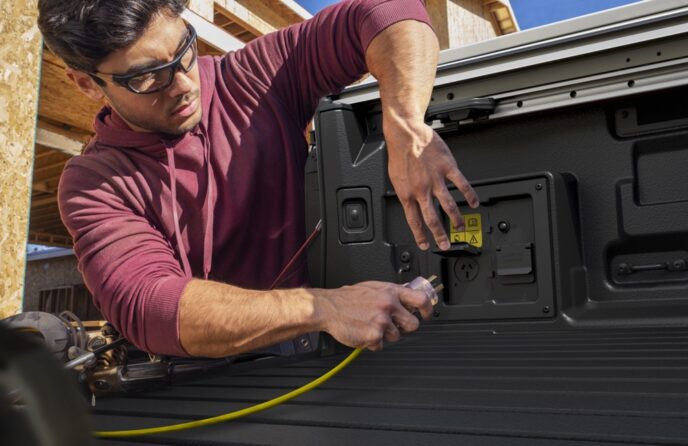
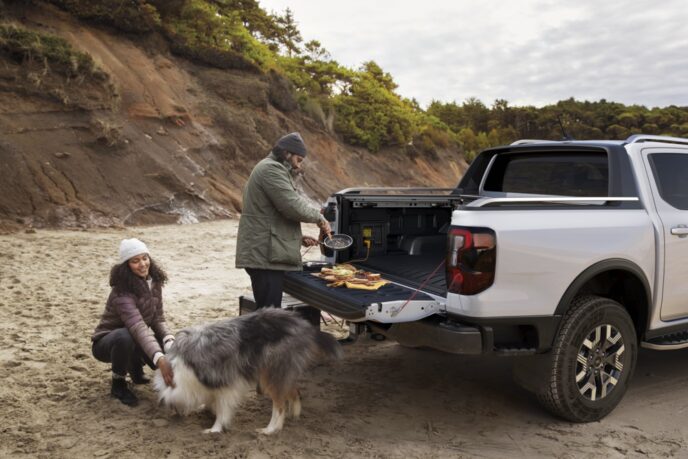
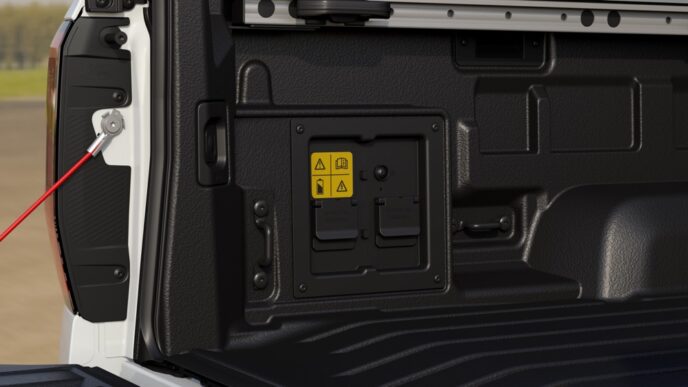
The PHEV will also incorporate Pro Power Onboard, allowing users to power their tools or appliances, whether on worksites or remote camping locations. The vehicle offers 230 volts at 10 amps outlets in both the bed and the cabin, with the onboard inverter expected to exceed 3kW.
Simon Rutherford, Ford New Zealand’s managing director, expressed his excitement about this electrified option for one of New Zealand’s most beloved vehicles.
“We were excited to soon introduce the Ranger Plug-In Hybrid to our NZ customers,” Rutherford said. “As New Zealanders made the shift towards electrified vehicles, the Ranger Plug-In Hybrid would play a crucial role in Ford’s global mission to decrease transportation emissions. It’s designed to cater to our diverse customer base in New Zealand, and we believed it would appeal to retail, business, rural, and urban customers alike.”
With the PHEV’s announcement, by 2025, barring the Everest based on the Ranger, all other Ford models, including the Mustang and Mustang Mach-E, would have an electrified counterpart.
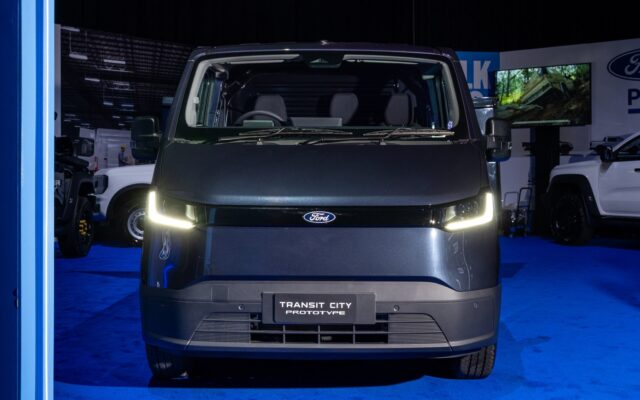
Other models like the Puma, Focus, and Escape were slated to have hybrid or BEV variants. The Mach-E would be fully electric, while the Transit range – Cargo, Custom, and Courier – would be available as BEVs.
Broad appeal
In a conversation with EVs and Beyond, Rutherford believed the PHEV would resonate widely.
“I see a diverse range of users, from rural to business, opting for this. They aren’t compromising, and it’s unmistakably a Ranger. We wouldn’t have ventured into this if it didn’t embody the essence of the Ranger,” he commented.
However, Rutherford acknowledged its limited electric range might not meet everyone’s needs.
“While some people spend long hours on the road, others might only drive to their worksite, use it there, and depart at day’s end,” he noted.
Rutherford felt that PHEVs might offer a cost advantage as they aren’t levied with Road User Charges when running partially on electricity, at least until a universal RUC is introduced.
This model would also help Ford New Zealand in meeting its clean car commitments and thus reducing its average CO2 emissions.
“Definitely, we’re highly supportive. Standards are crucial, as seen globally. However, the current system might inadvertently disadvantage those without access to alternative options,” Rutherford added.
There wasn’t any assurance that the ute would align with the evolving standards upon its launch.
When questioned if potential Standard penalties might prioritise NZ in the supply chain, Rutherford responded, “The corporation has to balance between supporting global compliance and achieving optimal returns on limited resources.”
Join the conversation