
Ford prices electric Transit City for New Zealand at $58,990
Ford NZ has priced the JMC-built Transit City electric van at $58,990 plus on-road costs, with a 56kWh LFP battery, up to 254km WLTP range and January 2027 deliveries.
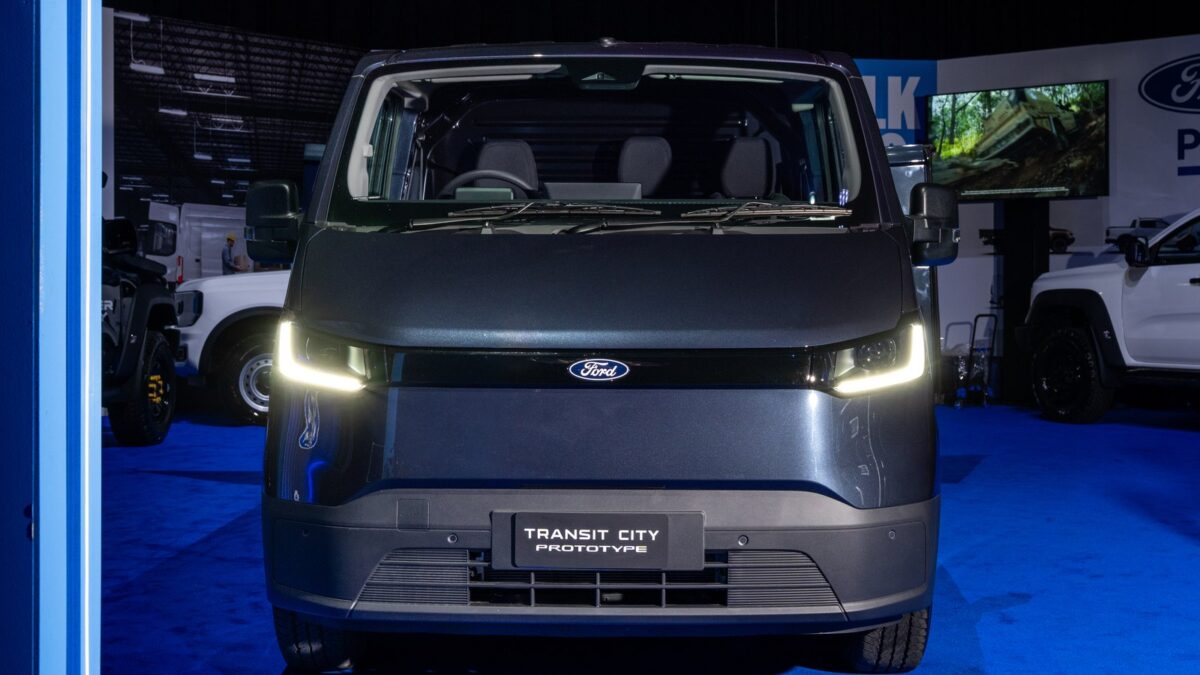
Ford New Zealand has confirmed the Transit City electric van will be priced at $58,990 plus on-road costs, with first customer deliveries expected in January 2027.
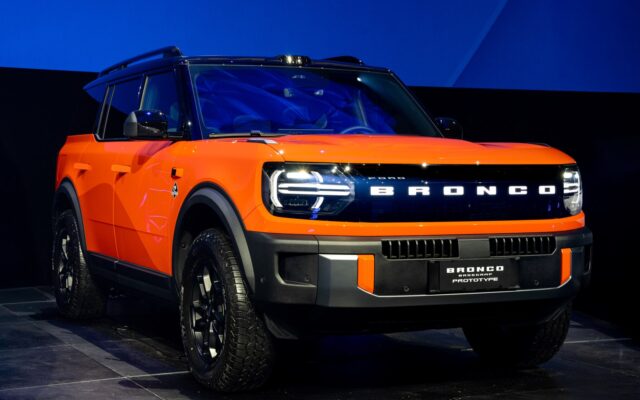
The van was revealed at Ford’s Uncovered media and dealer event in Melbourne, alongside the Bronco Basecamp range-extender SUV, which is also confirmed for New Zealand in the second half of 2027. Ford New Zealand told EVs and Beyond in March that the Transit City was under consideration for this market.
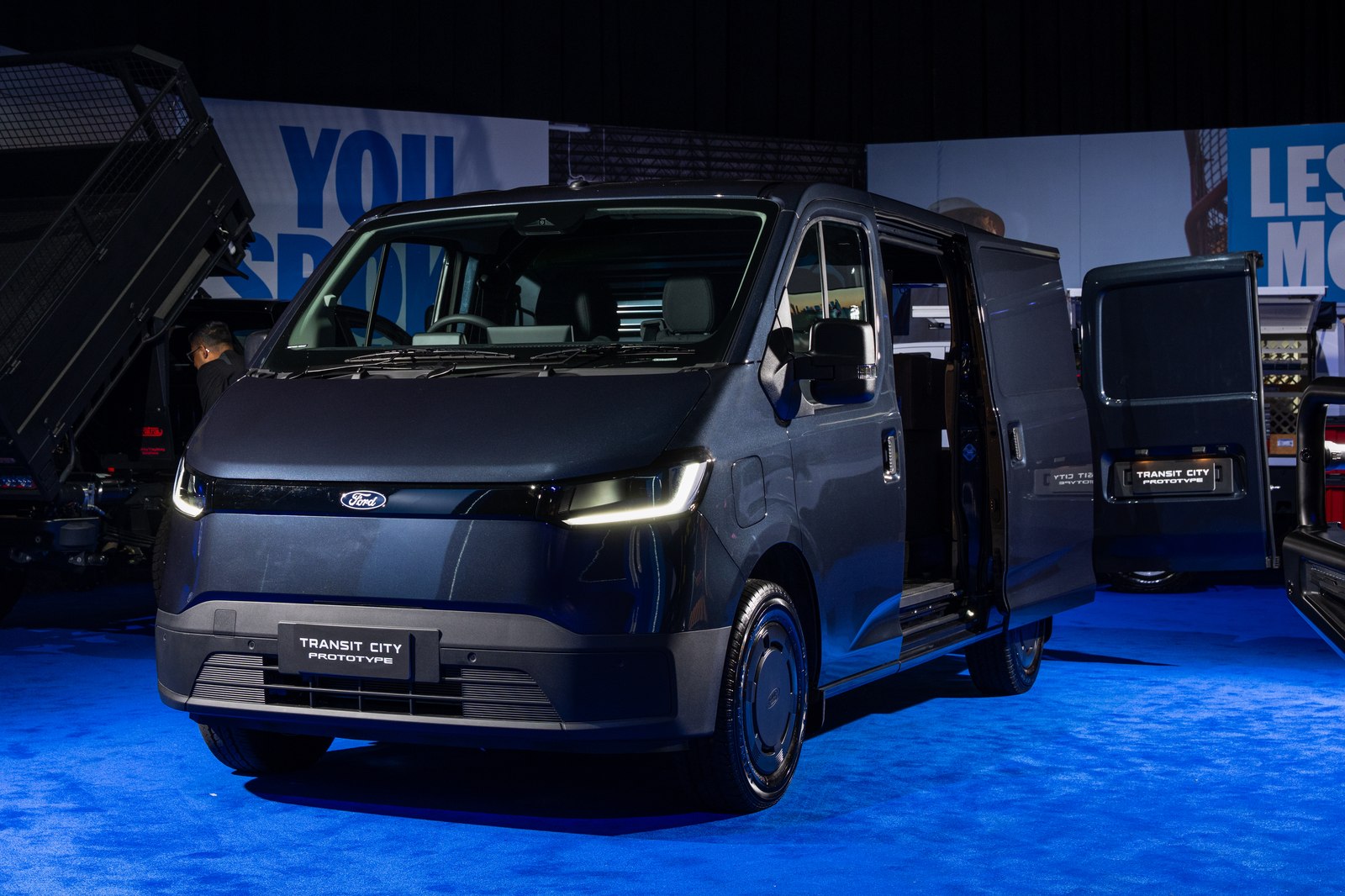
The Transit City is built by JMC, Ford’s Chinese joint venture partner, which has been building Transits in China for more than 30 years. Along with the Bronco Basecamp it is the first China-sourced Ford to be sold here. It is a single-specification model, with no wheelbase, roof height or trim options.
A 110kW electric motor drives the front wheels, fed by a 56kWh lithium iron phosphate battery. Ford quotes a WLTP combined range of up to 254km and up to 380km on the WLTP city cycle. The city figure uses only the low and medium speed phases of the WLTP test.
Ford says it chose LFP chemistry for its thermal durability, long cycle life and resistance to degradation under frequent DC fast charging. The battery size was set using telematics data from 2,312 Transit Custom vans operating in Australia between November 2024 and July 2026. That data showed typical urban daily runs average 76km, and 90 per cent of daily routes cover 200km or less.
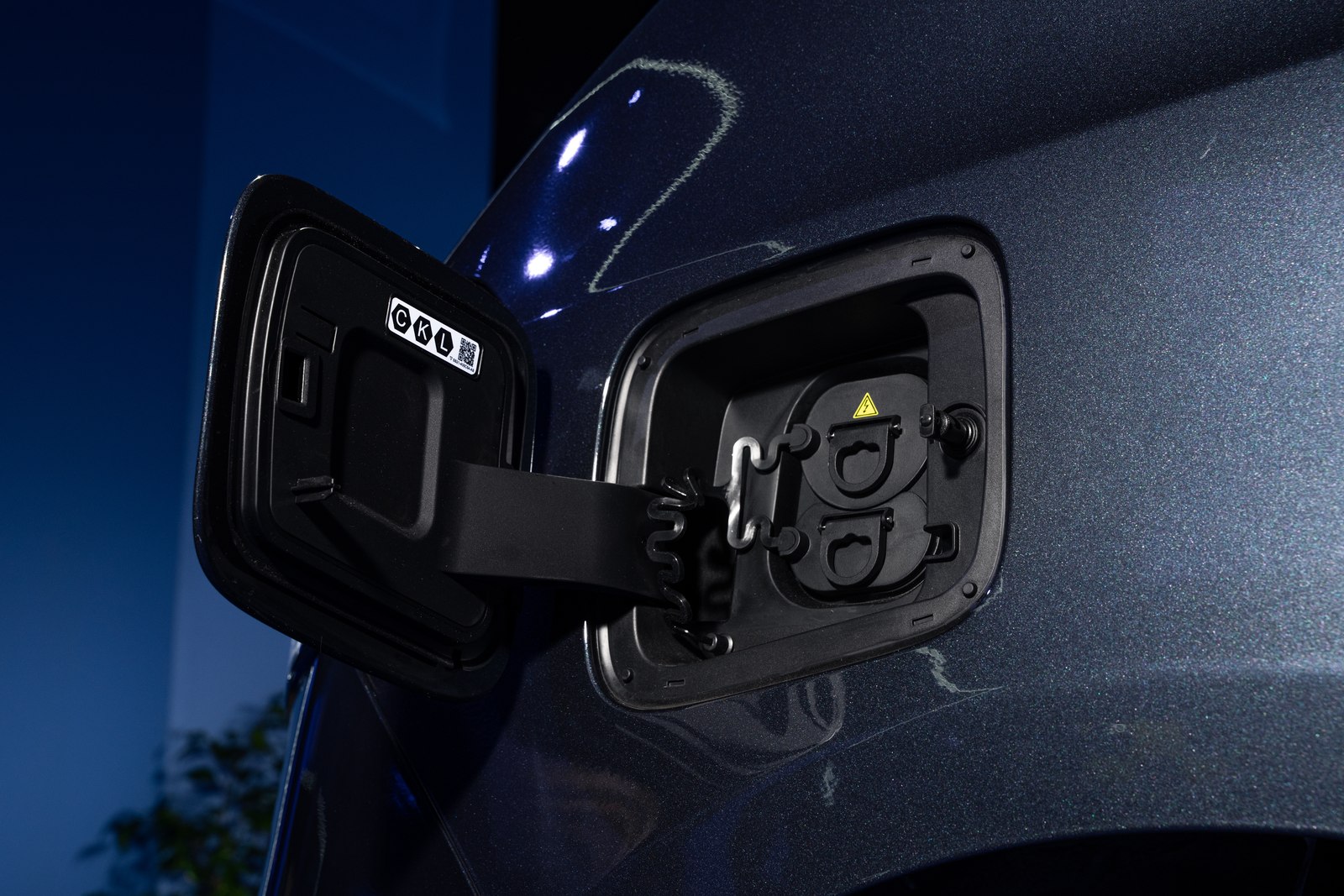
DC charging peaks at 87kW, taking the battery from 10 to 80 per cent in about 33 minutes, and Ford says a 10-minute top-up adds up to 68km. The 11kW onboard AC charger does 10 to 100 per cent in around 5.5 hours, which Ford says suits overnight depot charging. The charge port is in the nose of the van. A one-pedal driving mode is fitted, with the regenerative braking calibration tuned for stop-start city work, and the van has vehicle-to-load capability, which Ford calls Pro Power Onboard, for running tools and equipment from the battery.
The Transit City is not rated to tow.
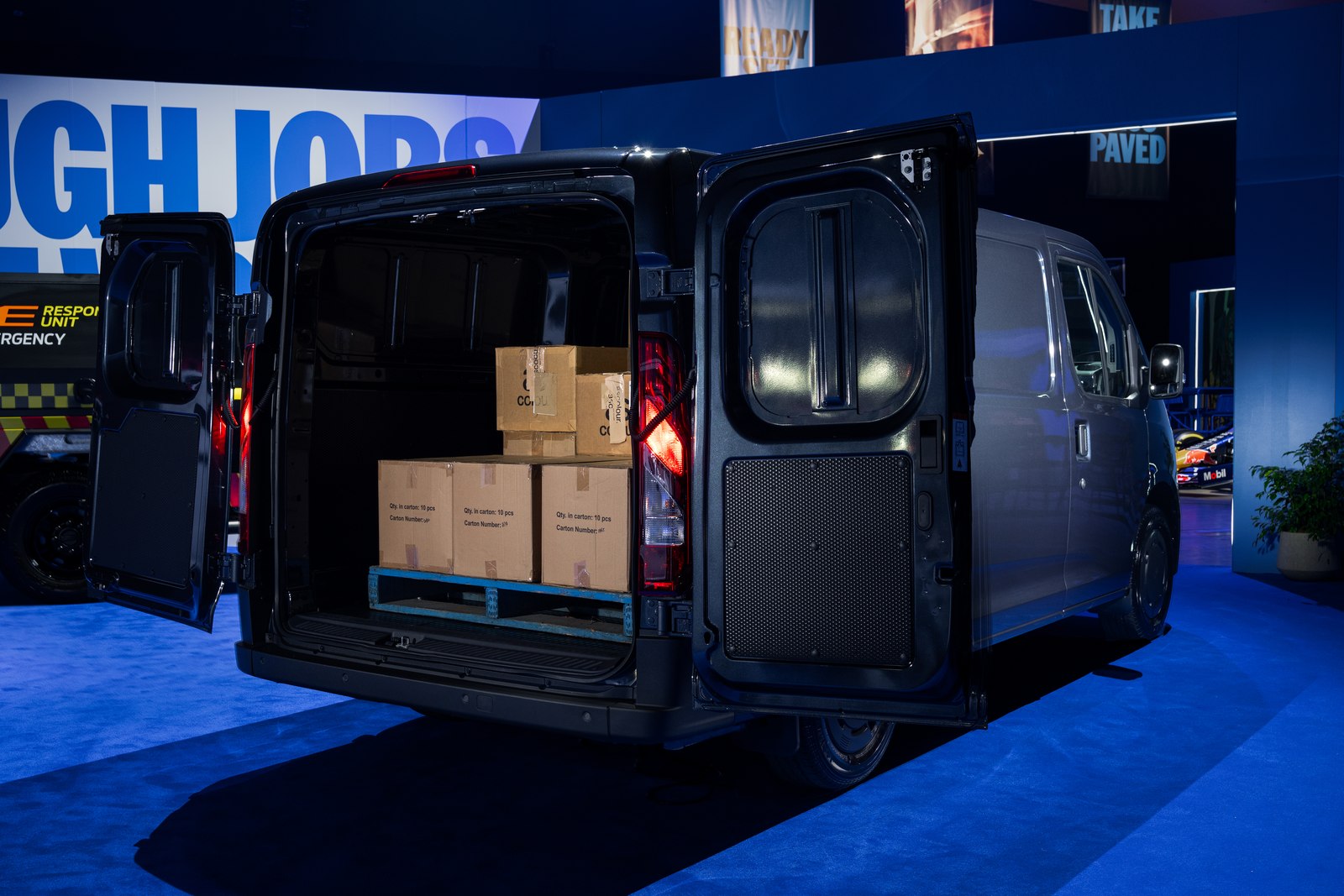
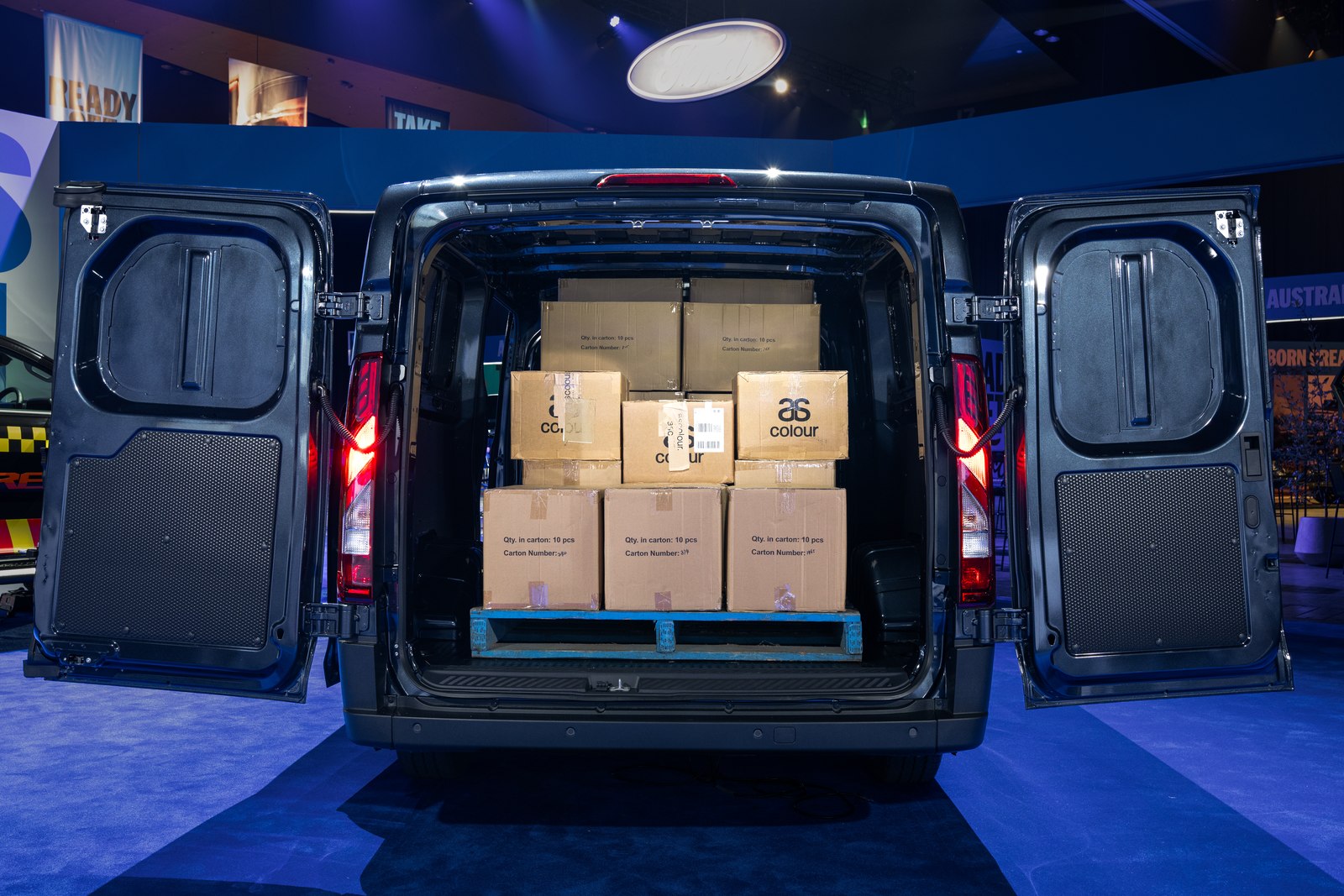
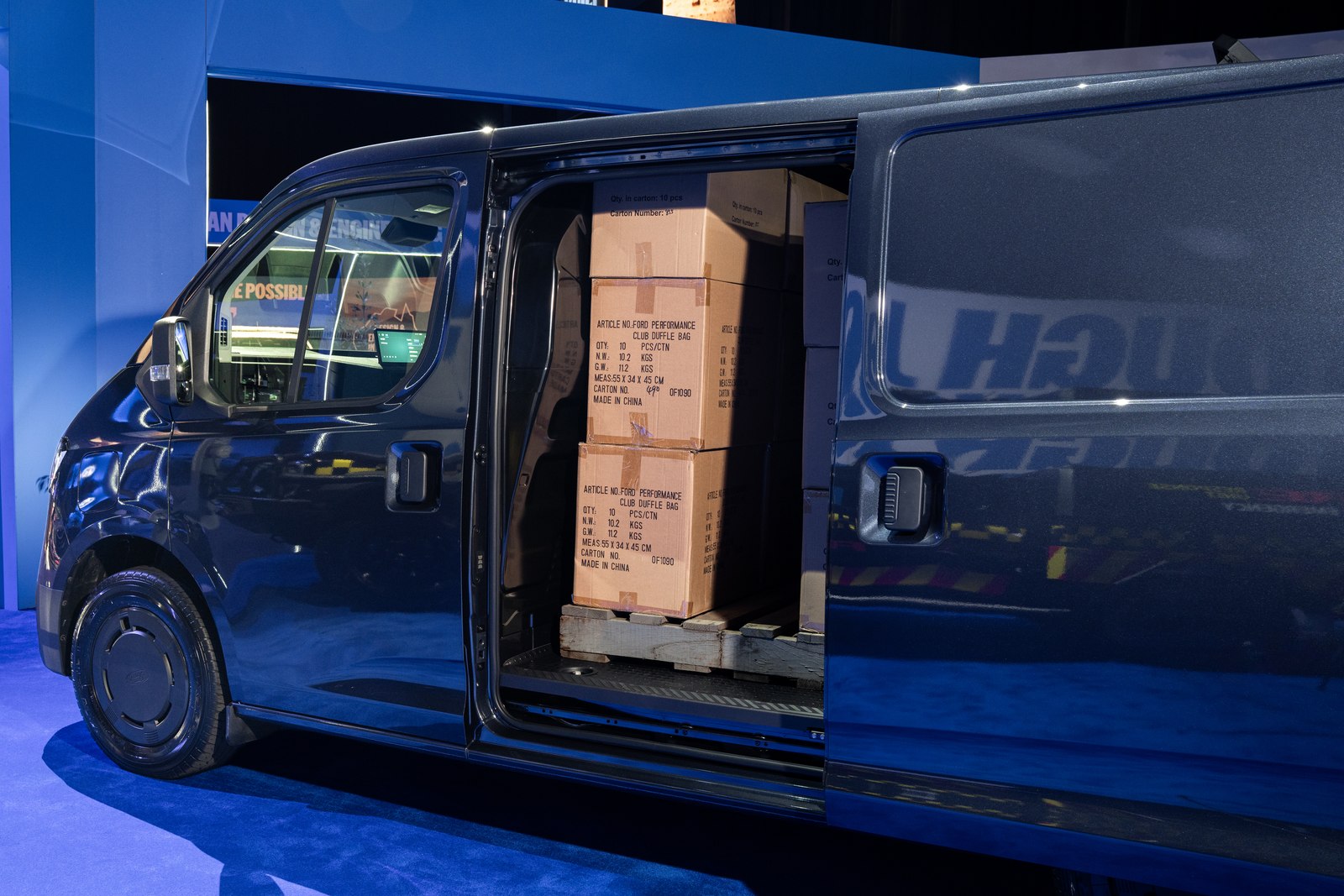
Payload is up to 1,085kg and the load area holds 6.4 cubic metres, enough for three Euro pallets. A full-surface load liner, half-height protective side trim and tie-down lashing points are standard.
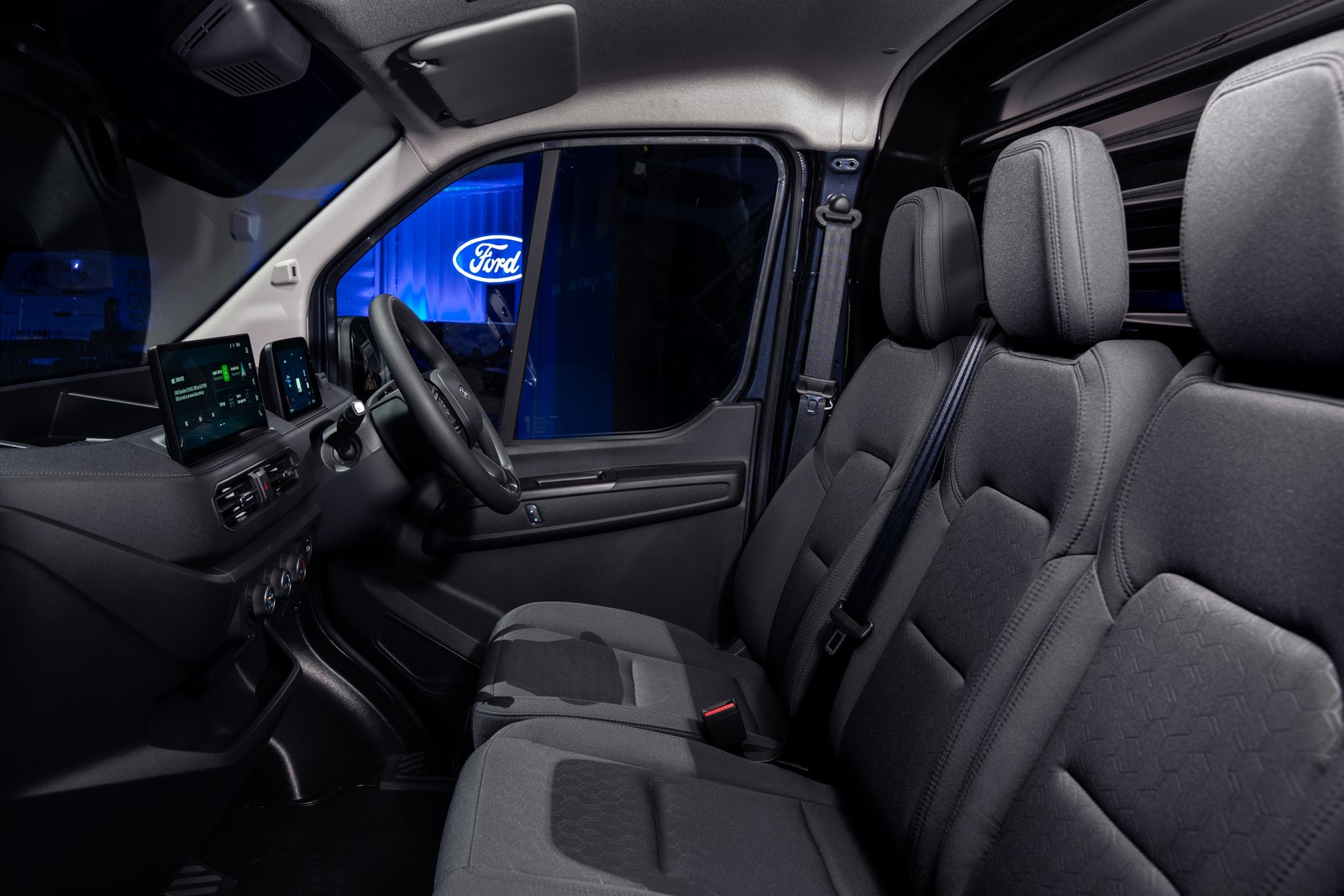
Standard equipment includes keyless entry with push-button start, a heated driver’s seat, which Ford says draws less battery power than heating the whole cabin, and a 12.3-inch touchscreen with wireless Apple CarPlay and Android Auto. Driver assistance covers autonomous emergency braking, adaptive cruise control with stop and go, front and rear parking sensors, a reversing camera and lane departure warning.
The Transit City is not connected to FordPass, which the E-Transit Custom has. Ford Pro’s Jono Steele told us a plug-in third-party telematics device is being developed for it, while Ford’s own data services platform will arrive first on Ranger and Everest.
Service intervals are 12 months or 30,000km, and the high-voltage battery is covered by an eight-year, 160,000km warranty. Ford says scheduled maintenance costs will be lower than for an equivalent diesel van because there is no turbocharger, fuel injection system or multi-speed gearbox to service. The van has been through Ford’s global commercial durability testing, including more than 200,000 door-slam cycles in climate chambers.
“Transit City represents a new way of thinking about commercial vehicles for Australian and Kiwi businesses. We know urban operators need a van that’s affordable, capable, and ready to work from day one, and that’s exactly what Transit City delivers,” Ford New Zealand managing director Annaliese Atina says.
“The shift to electric doesn’t have to be complicated. Transit City gives businesses a straightforward, well-equipped van that’s ready to work, and the total cost of ownership makes a compelling case for fleets looking to make the switch.”
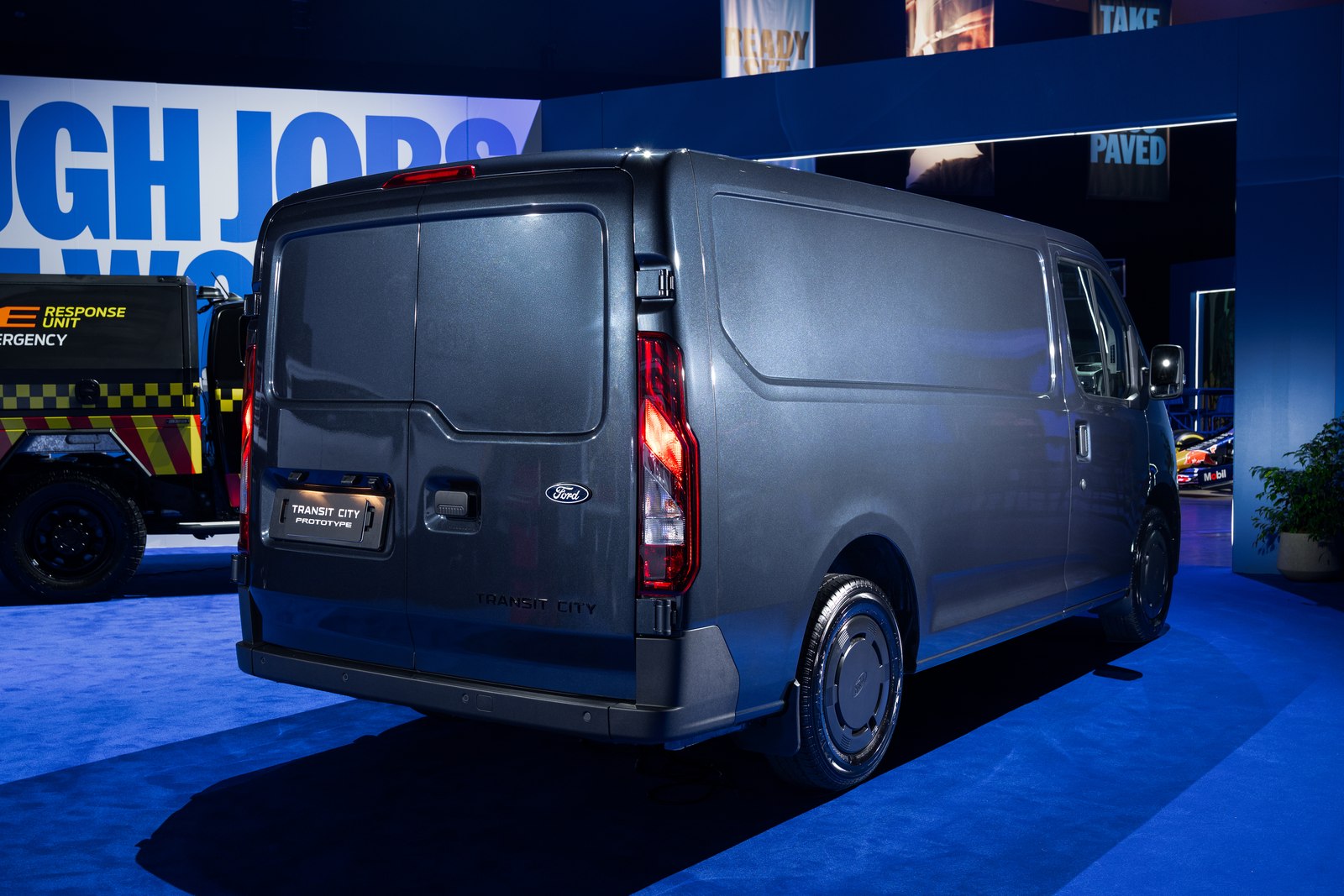
We had a close look at the van in Melbourne. Access through the sliding doors and rear barn doors is easy, and the load bay is well served by tie-down points. Seat comfort and cabin materials are good for a van at this price. We could only find one cupholder, but there is plenty of other cabin storage despite the absence of a glovebox.
At $58,990 the Transit City sits below Ford’s E-Transit Custom, listed from around $85,990. The Kia PV5 Cargo is priced from $64,990 with a 71.2kWh battery and up to 416km WLTP range, and the Farizon V7E from $55,990 with a 67kWh battery and up to 329km WLTP range. Peugeot offers the e-Partner from $74,990 and the e-Expert on runout from $62,990. LDV’s eDeliver range also competes in the segment.
In Australia the Transit City is priced at $50,000 drive-away, with deliveries from November. Ford NZ also told us it is open to the Fathom electric ute and the battery electric Bronco for this market.

Join the conversation