
Flying taxis in UK by 2028

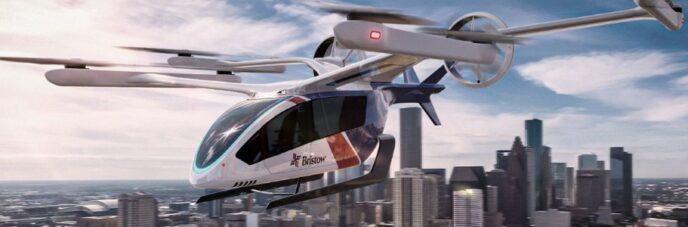
Drone technology could transform United Kingdom skies and boost its economy by NZ$94 billion (45 billion pounds) by the end of the decade.
So says the UK Department for Transport in releasing its joint Future of Flight action plan with industry which states flying taxis and routine emergency service drones should be a reality by 2028, with more crime-fighting drones also expected.
The action plan is designed to ensure regulation and infrastructure is in place to support the greener, quieter aviation technologies, the department says, adding the plan sets out a roadmap for drones and novel electric aircraft in the UK.
It details plans for the first piloted flying taxi flight by 2026 and regular services by 2028, regular drone deliveries by 2027 and demos of autonomous flying taxis without pilots on board by 2030 -transforming how people and goods are transported.
Flying taxis are expected to make trips three times quicker than by car.
“Cutting-edge battery technology will revolutionise transport as we know it,” says UK aviation and technology minister Anthony Browne who visited Vertical Aerospace in Bristol to see the technology as the action plan was released.
These greener, quieter flying taxis are already undergoing the Civil Aviation Authority (CAA) authorisation process and have been made possible thanks to rapid advances in battery technology, meaning they are light enough to stay in the air and powerful enough to cover the distances needed.
The plan allows drones to fly beyond visual line of sight (BVLOS) so that the sector can grow without limiting the skies for other aircraft, breathes life into smaller aerodromes by setting out how they can operate as vertiports for electric aircraft that take off vertically – known as electric vertical take-off and landing (eVTOL) aircraft, develops standards to improve security for drones to boost public safety, and engages communities and local authorities so that they can enjoy the economic and social benefits of these technologies.
West Midlands Police already use drones to tackle violent crime and antisocial behaviour.
In July 2023, a drone team was deployed, successfully identifying two offenders and another suspect at a speed and distance that would have taken ground officers hours to track down, the UK report says.
Between October 2022 and March 2023 the UK drone service provider Skyfarer partnered with University Hospitals Coventry and Warwickshire NHS Trust and Medical Logistics UK to test drones to deliver surgical implants and pathology samples between sites.
The Future of Flight action plan comes ahead of the fifth meeting of the Future of Flight Industry Group, a joint force established in February 2023 for government and industry leaders to tackle the biggest challenges facing the sector and set ambitious goals as emerging aviation technologies become more commonplace.
Group chair and Skyports chief executive Duncan Walker says the UK is home to one of the world’s most important aerospace industries and is in an ideal position to be a pioneer in the next era of aviation.
By supporting research and development in electric aircraft and drones, and with the help of key partners like the CAA, the action plan aims to usher in a new era of eco-friendly aviation and boost the economy with new investments, ensuring the UK captures the full potential of this emerging global industry as a force for good and a driver of growth, he says.
UK CAA future safety and innovation head Sophie O’Sullivan says aviation stands on the cusp of its next potentially biggest revolution since the invention of the jet engine.
“Drones, eVTOL and other different vehicles have the potential to change transportation options forever.”
UK drone trade association ARPAS-UK chief executive Anne-Lise Scaillierez says drones help professional teams capture data from the sky in a safer, cheaper, smarter and greener way and they will help transport cargo and people.
Vertical Aerospace founder and chief executive Stephen Fitzpatrick says the UK has a long heritage in aerospace and publication of the Future of Flight plan sets out how the UK will lead the next revolution of flight.
“With government and business working together, we can unleash the huge economic, environmental, and social benefits of zero emissions flight globally.”
The report says EVTOLs can reach more than 241km/h over 160km and are considered greener than helicopters.


Join the conversation