
Government to stick with $38 PHEV RUC rate
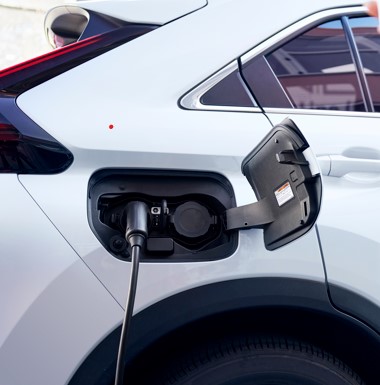
Transport minister Simeon Brown is going to keep the Road User Charges (RUC) rate for plug-in hybrid electric vehicles (PHEVs) at $38.
The new lower rate, down from an originally proposed $53, was the result of a mistake by government members of the transport and infrastructure committee who intended to leave it the same but voted accidentally for Labour’s proposed lower rate.
AutoTalk received confirmation the government will support the lower rate direct from the minister’s office, along with confirmation the battery electric vehicle (BEV) rate will remain at $76.
Among submissions, an industry group including the Motor Industry Association, VIA, the Motor Trade Association and Drive Electric proposed reduced rates of $60 and $42 accordingly.
A Mitsubishi Motors New Zealand (MMNZ) spokesperson says it is obviously very pleased with the news.
“This is a great result for our PHEV customers, who alone now number over 10,000 Kiwis.
“We’d like to thank the minister for his consideration of what is a more reasonable and situation-reflective rate.”
Brown says that having a reduced RUC rate for PHEVs from April 1 recognises these vehicles use both petrol and have a battery to power the vehicle.
“This change seeks to balance the need for these vehicles to fairly pay for the use of the road and the variable range of fuel efficiencies within PHEVs,” he says.
“Not having a reduced rate would mean they would be required to pay a full RUC rate and then claim back any petrol excise used which would have been administratively difficult and open to fraud.
“I asked the select committee to test the Government’s earlier decision to set the discount for PHEVs from the full RUC at 30%. The Government has agreed this should go further given there are a range of PHEVs with a range of fuel efficiencies.
“The reduced RUC rate for PHEVs is a temporary measure to lessen distortions while we get to work on transitioning the entire vehicle fleet to the road user charges system and away from fuel excise,” says Brown.
“Currently there is variability in what different vehicles pay in the RUC and fuel excise duty system as highlighted by this issue. Increased fuel efficiency of vehicles, and the rise of electric vehicles, hybrids, and PHEVs, has created variances in what motorists pay for use of the road. This has meant that less fuel-efficient vehicles, often owned by low-income households, end up paying more in fuel excise duty than owners of later model, more fuel efficient, vehicles.
‘The ACT-National coalition agreement commits the Coalition Government to introduce road user charges for all vehicles so that all motorists pay the same amount to use the road based on distance and weight, rather than what type of fuel powers their vehicle’s engine.”


Join the conversation