
Ario e-scooter rideshare for NZ

Kiwis are the first in the world with access to Arios rideshare, says the international e-scooter company.
It has an Auckland Council licence for West Auckland and says plans are underway for licence applications country-wide, using Ario’s rideshare app.
Ario says it has used cutting-edge science and design to address the shared e-scooter industry’s major access and safety issues, leading the way in the micro mobility rideshare space globally.
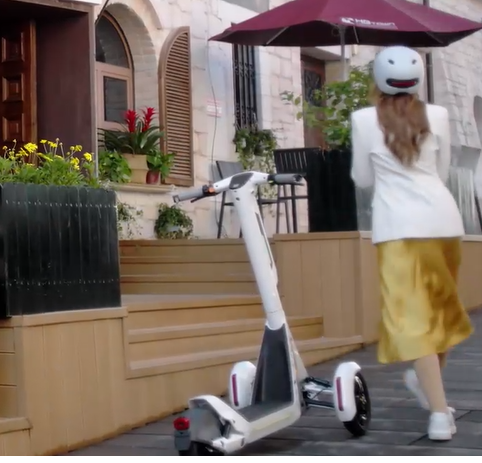
Its next-generation three-wheeled e-scooter aims to reduce injuries across the board.
Remote parking technology, 360-degree sensors and cameras, a three-wheeled design and patented suspension system, stability and braking safety are increased while parking in accessways and in the middle of footpaths can be deterred, and the units are each used more and last longer, meaning less scooters in landfill, says Ario.
“Sustainable transport options, including shared e-scooters, are vital to the liveability of urban centres,” says Ario New Zealand general manager Adam Muirson.
“Ario’s design innovation, which addresses the industry’s deep-seated issues, is essential for pedestrians, councils and riders across the motu to enjoy a more accessible and safe urban environment.”
The Ario team looked at global e-scooter usage before designing its first e-scooter in 2021, and found ways in which micro-mobility schemes were letting down both people and the environment.
‘While we’ve used this data in our current designs, ultimately our plan is to take both rider and pedestrian risk out of the e-scooter equation,” says Muirson.
Ario says it has already gained some support from New Zealand disability and walking advocacy groups as a result.
ACC data shows e-scooter riders typically have a higher injury rate than other transport types, often due to isolated falls, the company says.
Ario says it has mitigated this with its patented suspension system and three-wheel design which keeps riders stable when moving over uneven surfaces and improves rider balance.
The same ACC report showed that 74% of e-scooter rider claims are for injuries not worse than a serious cut or gash; however Muirson says isolated e-scooter falls are still too common.
“While the data shows that the majority of e-scooter falls only cause minor injuries, this is still a burden on our healthcare system, so the more falls we can prevent through Ario’s superior stability, the better,” he says.
Ario’s other safety advancements include an anti-toppling feature to protect footpath access and additional sensors which can detect poor parking, vandalism and, in the future, risky riding.
Technology is also in development for users to summon a ride to their exact location or end their ride anywhere and then remotely park their scooter to a safer place using remote valet parking.
Outside of remote piloting to free-up footpaths, a short camera recording enables the accurate recovery of scooters dumped in waterways.
“Scooters parked poorly can be shifted by our team remotely and within minutes, to help keep accessways clear, where current providers can take up to two days to respond,” says Muirson, adding e-scooters encourage people to replace short, private vehicle trips with a more sustainable option.
“Risky riding, antisocial behaviour, vandalism or illegal dumping in waterways can be identified and responded to instantly.”
The company says riding with Ario costs the same as current e-scooter providers, and while most public e-scooters on the market have a typical lifespan of about two years, Ario’s are specified to a five-year lifespan and a robust single cast frame.


Join the conversation