
Ethiopia switching to EVs
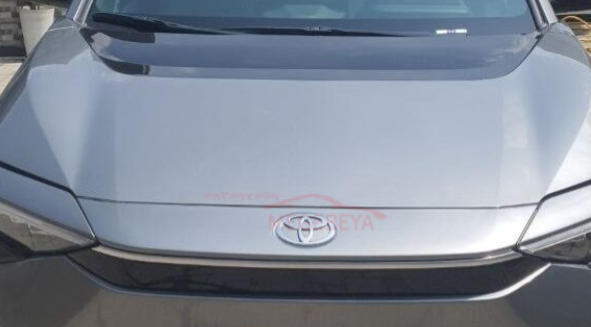
Long lines have been forming at gas stations in Ethiopia’s capital Addis Ababa amid fuel shortages and a price spike, but EV driver Mikial Belayneh avoids them.
“I no longer line up for petrol on the road,” Belayneh, an Addis Ababa resident, told CNN.
A full charge of his imported Toyota bZ4X – a popular EV in the country – “is more than enough for two days”, he says.
Belayneh, who charges his car at home, is part of rapid transition to EVs in Addis Ababa, a fast-growing city in the horn of Africa at the centre of Ethiopia’s goal to hoist millions of people out of poverty, says CNN.
Cleaner vehicles like electric buses, smaller 15-seat minibuses, cars and motorbikes are are joining the traffic on the capital’s streets, the news agency says, adding about 100,000 EVs are in Ethiopia.
The Ethiopian government estimates that number will more than quadruple by 2032, largely because it banned the import of all gas-powered passenger vehicles earlier this year, becoming the first nation in the world to do so, says CNN.
“It also effectively slashed the customs tax on imported cars: The tax on gas vehicles was up to 200% before they were banned, while the import tax for fully assembled EVs is just 15%, according to the country’s finance ministry.”
CNN says lower rates are spurring more local EV manufacturing.
“Hundreds of the vehicles were assembled by Ethiopia-based Belayneh Kindie Group using parts imported from China.
“Besufekad Shewaye, manager at the company, told CNN that import tariffs are ‘almost zero percent’ for EV parts that are assembled in Ethiopia”.
Ethiopia is switching to EVs partly because importing fuel is expensive, and 96% of the country’s electricity comes from clean hydropower, says CNN.
It says Ethiopia, ruled for years by a one-party authoritarian government, can quickly implement environmental policies that would likely take longer in more democratic nations.
The country has about 1.2 million cars on the road, the equivalent of about one car per thousand people, says CNN, comparing that with more than 91% of at least one car ownership in the US.
“The Ethiopian government had kept car ownership rates low with its dramatically high taxes on gas-powered vehicles that cost consumers up to three times the value of car imports – part of an effort to get more people to use public transportation.”

Join the conversation