
Video: Meridian offers $1.2m for community electrification projects
More than $1.2 million is offered for community electrification projects from Meridian Energy’s 2024 Decarbonisation Fund, with applications closing September 30.
A new EV, installing solar power, or converting to electric heating are among possible projects likely to be considered.
An increasing number of organisations are thinking about sustainability but may find it difficult to juggle priorities, so Meridian is pleased to help give these groups a hand, says Meridian chief customer officer Lisa Hannifin.
Meridian’s Community Decarbonisation Fund uses proceeds from the company’s Certified Renewable Energy product. Through Certified, businesses match their electricity-usage with an equivalent amount of renewable electricity into the national grid from one of Meridian’s hydro stations or wind farms.
“Without their support we wouldn’t have been able to put solar panels on three of our buildings and with the money we’re saving from that, we can put that back into our conservation projects,” says Ngā Manu Nature Reserve general manager Anna McKenzie Hawea.
During the past two years, the fund has distributed $1.5 million to 22 projects across the country.
This year, thanks to more companies signing up to Certified, $1.2m is available for community electrification and decarbonisation efforts.
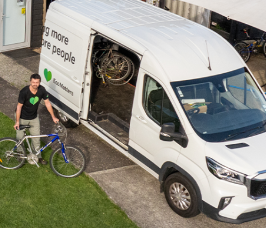
“We were able to purchase a new EV van which has been fantastic, that has allowed us to grow our operations so we’re supporting more people in need,” says Satisfy Food Rescue founder Phillipa Hunt.
Other projects helped include an electric van for food rescue organisation Everybody Eats, solar panels for the Waipuna Community Centre and an EV charging station and EVs for KidsCan.
“Seeing that money being spent on great projects that’ll help electrify New Zealand is the best result we could hope for,” says Hannifin.
“We know there are incredible ideas out there in the community, and we’re here to help make those plans happen.
“We’re committed to helping New Zealand reach its target of net-zero carbon emissions by 2050,” she says.
“Supporting businesses and communities in their electrification and decarbonisation efforts is an incredibly rewarding way of doing that.”


Join the conversation