
2024 breaks global EV sales record with over 17 million units sold
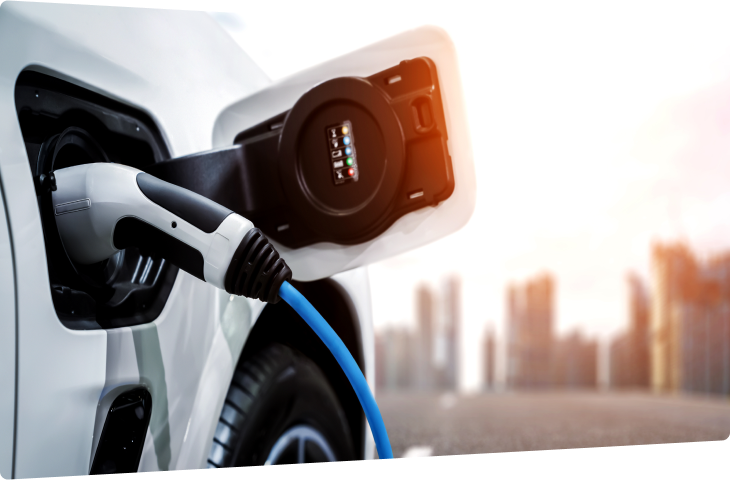
Electric vehicle (EV) sales reached an all-time high in 2024, with 17.1 million units sold globally, according to data released by EV research house Rho Motion.
December alone saw more than 1.9 million EVs sold, marking a 5% increase over the previous month and setting a fourth consecutive monthly sales record. Overall, global EV sales surged by 25% in 2024 compared to the previous year.
While the global market experienced unprecedented growth, regional trends varied significantly. Europe saw a 3% decline in EV sales as stricter emissions standards are set to take effect in 2025. In contrast, sales in the United States and Canada rose by 9%, supported by government tax credits. China led the charge, recording 40% growth and accounting for the majority of global EV sales in 2024.
Global EV sales snapshot:
- Worldwide: 17.1 million (+25%)
- China: 11 million (+40%)
- EU, European Free Trade Association (EFTA), and UK: 3 million (-3%)
- US and Canada: 1.8 million (+9%)
- Rest of the World: 1.3 million (+27%)
“After the record-breaking year in 2023 for EV sales, we entered 2024 with some optimism about the market despite headwinds,” Rho Motion data manager Charles Lester says.
“While overall the global market has boomed, growing by a quarter over the year, the regional disparities have also grown. Europe’s market has shrunk 3% and China’s grown by 40%.”
Lester added: “What is clear is that government carrots and sticks are working. In North America, the 9% growth can mostly be attributed to consumer subsidies, and over in the UK, the ZEV mandate has highly incentivised manufacturers to push their low-emission cars.
“Meanwhile, the removal of subsidies in Germany had a devastating impact on the whole European market. If the US follows suit, we may see the same there.”
Europe and the UK
The EU, EFTA, and UK markets ended 2024 with a 3% decline, despite December sales exceeding 300,000 units—a 12% increase from the previous month and 1% growth year-on-year.
The UK emerged as a bright spot, with battery electric vehicle (BEV) sales exceeding 400,000 units, surpassing Germany by the year’s end. The UK market grew nearly 20%, driven by the ZEV mandate. Conversely, Germany’s EV sales suffered following the removal of subsidies at the end of 2023. Norway continues to lead globally, with EVs accounting for over 90% of passenger car sales by the end of 2024.
China
China’s EV market expanded by 40% in 2024, with December achieving a 2% month-on-month increase. Plug-in hybrid electric vehicles (PHEVs) led the growth, rising by 81%, while BEVs grew by 19%.
China’s car trade-in scheme, doubled in mid-2024 and extended for 2025, played a pivotal role in boosting sales. BYD remained dominant, producing over one-third of all EVs sold in China with more than 40 unique models across its brands. The company plans to expand into Europe, with production at its Hungarian facility set to begin in 2025, despite challenges from EU BEV tariffs.
US and Canada
The North American market finished 2024 with record December sales of over 185,000 units and a total of 1.8 million EVs sold, reflecting consistent 10% annual growth.
However, 2025 could test the market as incoming President Trump has announced plans to cut EV tax credits, a key driver of adoption. Additionally, the potential reversal of EPA emission standards poses further uncertainty. Despite these risks, significant investments are being made in EV supply chains, including Rivian’s US$6.6 billion conditional loan from the Department of Energy’s Advanced Technology Vehicle Manufacturing programme.
However, 2025 could test the market as incoming President Trump has announced plans to cut EV tax credits, a key driver of adoption. Additionally, the potential reversal of EPA emission standards poses further uncertainty. Despite these risks, significant investments are being made in EV supply chains, including Rivian’s US$6.6 billion conditional loan from the Department of Energy’s Advanced Technology Vehicle Manufacturing programme.


Join the conversation