
‘NZ’s largest solar farm’ due to start construction this year
Harmony Energy Limited and Clarus company First Renewables Limited have approved the final investment for the Tauhei Solar Farm project with construction expected to begin this year on the 182-hectare site near Te Aroha.
“We are excited to have reached this significant milestone, with all major contracts, financing, consents and regulatory approvals now in place,” says Harmony Energy New Zealand managing director Garth Elmes.
“We will now start construction on New Zealand’s largest solar farm, marking a significant milestone for the nation in its pursuit of providing cleaner, home-grown energy.”
At commissioning in late 2026, it is expected to be New Zealand’s largest solar farm at 202MWp.
The solar farm will generate 280GWh of electricity annually, enough to power about 35,000 New Zealand homes.
“The Tauhei solar farm is one-way Clarus is helping drive the decarbonisation of New Zealand’s energy system,” says Clarus future fuels general manager James Irvine.
“It will also generate jobs and business opportunities and support biodiversity in the area by creating a wetland and allowing the land to continue to be used for farming.”
During its two-year construction phase, the project will create about 350 full-time equivalent jobs during the peak of construction, as well as producing permanent full-times jobs once construction is completed.
The joint venture has appointed global renewable energy engineering procurement and construction contractor Elecnor as the lead construction partner to build the solar farm.
“New Zealand represents a strategic market and a long-term commitment for Elecnor,” says Elecnor BD director Ivan Varas.
“Our aim is to become a reliable partner for the renewable energy and power transmission industry. We are pleased to support Harmony Energy and Clarus with this solar farm, which will set a benchmark in the sector.”
Funding requirements are supported by a syndicated debt facility provided by ANZ, ASB, BNZ and MUFG Bank with MUFG acting as financial advisor on the transaction, says Clarus, adding the solar farm project is supported by a power purchase arrangement with Meridian Energy which will purchase 100% of the output for the first 10 years of operation.
Meridian chief executive Neal Barclay says the agreement shows New Zealand’s electricity industry is working well to provide for consumers.
“As we continue to invest and build renewable electricity assets throughout New Zealand, this agreement will provide even more certainty for Kiwi households and businesses. Tauhei Solar Farm ticks all the boxes for us – it’s an exciting development generating clean energy from the abundant Waikato sun, that’ll add more resilience to New Zealand’s electricity supply.
“This is a great example of a large retailer supporting new generation in the wholesale market, and it clearly shows how the electricity system is delivering new competitive and commercially viable independent generation.”
Priority has been given to protecting the local environment with the planting of about120,000 native plants.
Some 25,000 native plants have already been planted on the boundary of the solar farm to ensure screen planting is established as early as possible, says Clarus.
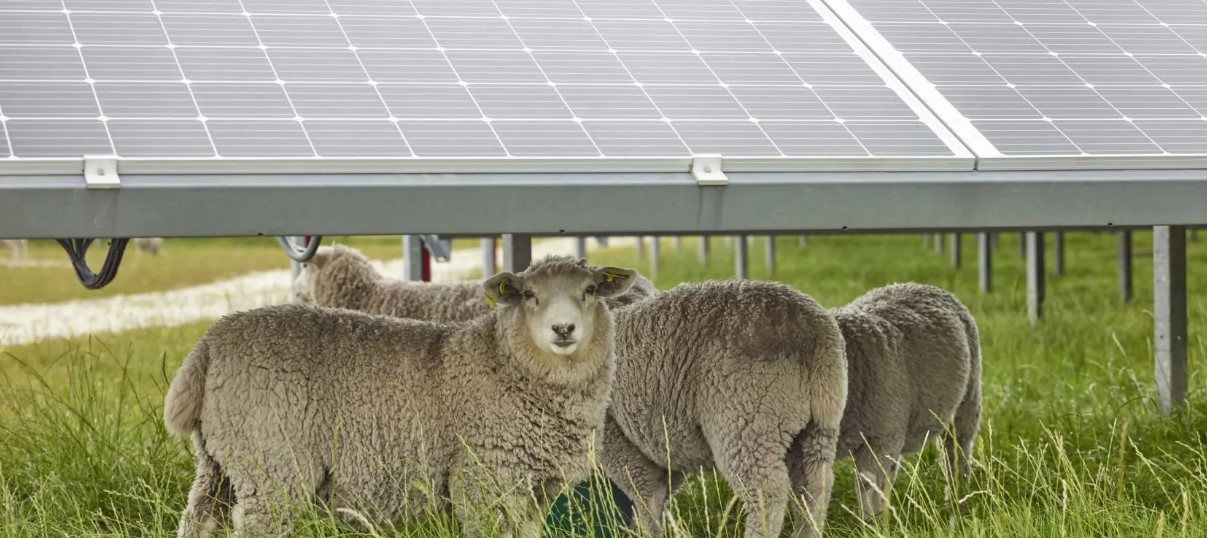
Most of the site will remain in productive farming, switching from dairy farming to sheep farming. The photovoltaic panels will provide shelter and shade for the sheep, while also helping to retain moisture in the ground during the hottest months of the year, says Clarus.
Harmony Energy New Zealand is part of the Harmony Energy group, one of the UK’s leading developers and owners of battery energy storage systems (BESS).
The company is developing 10 solar and BESS projects between 70MWp and 250MWp, taking projects from conception to commissioning.
First Renewables role within Clarus is to develop and invest in renewable energy projects, both in renewable gas and electricity, with a view to delivering renewable energy assets to help meet the changing needs of energy consumers across New Zealand.


Join the conversation