
Meridian swings to $130m profit, holds household price rises below inflation
Meridian reports a $130 million profit for FY26, holds household energy price rises below inflation, passes 519 EV charge points, and lines up final investment decisions on three renewable projects.
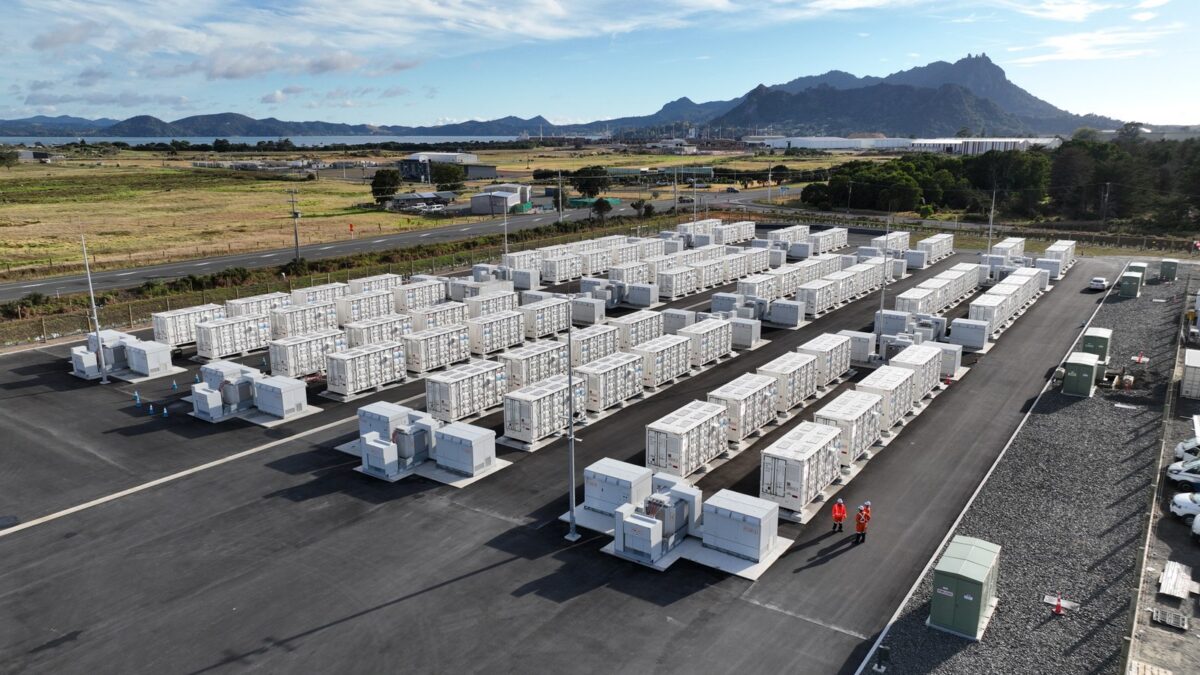
Meridian Energy has reported a net profit of $130 million for the year to 30 June, recovering from a $452 million loss in FY25, and says household power price rises will be held below inflation over the next year.
Operating cash flows rose from $318 million to $810 million, EBITDAF lifted from $611 million to $1,051 million, and energy margin increased from $982 million to $1,471 million. The company says the previous year’s result was hit by two severe droughts and $300 million spent on hedge and demand response contracts to maintain supply security through winter 2024.
Chief executive Mike Roan says wholesale forward prices eased during 2026, enabling price reductions for commercial and industrial customers at renewal. For residential and small business customers, Meridian has committed to holding the average increase in the energy component of bills below inflation for the next year, though Roan notes customers face at least three more years of regulated increases in lines and transmission charges.

Charging network passes 500
Meridian added 140 EV charge points during the year, taking its national network to 519, and says it remains on track for its target of 1,000 public charge points by 2030. Further expansion is planned for the central and upper North Island.
The company’s Smart Hot Water plan, which switches off hot water cylinders during peak periods, now covers more than 30,900 Meridian and Powershop customers, saving each about $120 a year.
Its Community Decarbonisation Fund distributed $1.8 million to 37 not-for-profit organisations during the year for EVs, solar panels and batteries, and the board has approved a $1 million top-up alongside $7 million to extend the Energy Wellbeing Programme to 2030.
Build programme

Two projects are under construction: the 130MW Ruakākā Solar Farm and the 200MW first stage of the Te Rahui Solar Farm, a joint venture with Nova. Consents were secured during the year for the 90MW Mt Munro Wind Farm and 120MW Bunnythorpe Solar Farm, and the Waiinu Energy Park entered the Fast-track process.
Final investment decisions are expected within 12 months for Mt Munro, Te Rere Hau, and either Te Rahui stage two or the integrated solar and battery Bunnythorpe Energy Park. The company also secured resource consent for 35 more years of the Waitaki Power Scheme, and access to an additional five metres of contingent storage at Lake Pūkaki for the next three years.
“Building new renewable generation and firming assets are the most important things we can do to make power more affordable for homes and businesses,” Roan says. “We also continue to explore opportunities for new hydro development for long-term system firming.”
The board declared a final dividend of 16.10 cents per share, taking full-year ordinary dividends to 22.50 cents, up 7.1%. Meridian also acknowledged customer impacts from its migration of 175,820 customers to the Kraken retail platform, including issues with the new Powershop app and longer service wait times, which Roan says the company is focused on resolving.



Join the conversation