
EV charging demand still strong
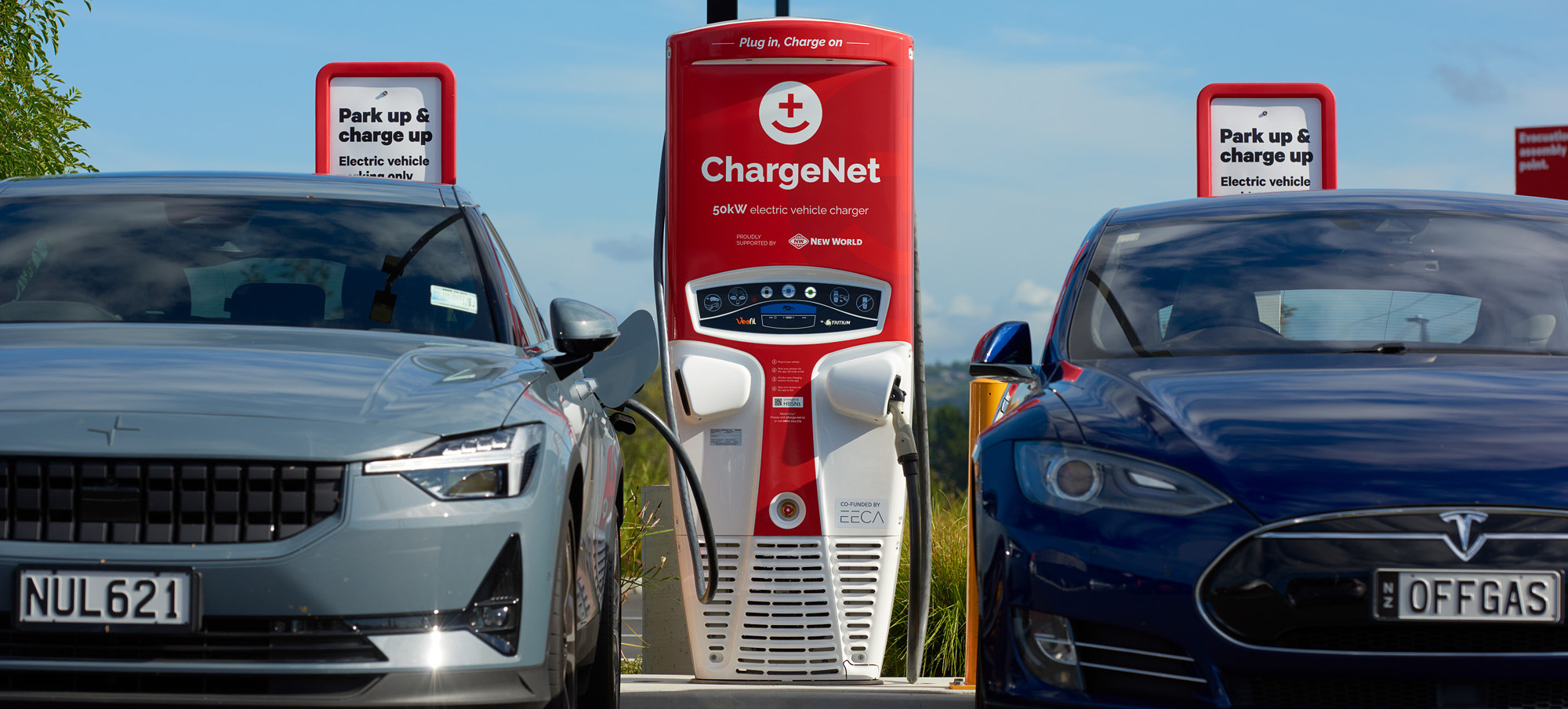
ChargeNet reports a 29% increase in year-on-year revenue growth from July to December 2024, saying use of its EV network outpaced an 11% increase in EV registrations.
From July to December 2024, ChargeNet saw a 20% increase in energy delivered compared to the same time in 2023.
ChargeNet had record-breaking use during the traditional summer peak in December 2024, with sessions exceeding 3000 on several days
Economic headwinds have not blown out EV charging demand, says ChargeNet chief executive Danusia Wypych.
ChargeNet says the continued growth highlights how the ongoing expansion and upgrade of its network has risen to accommodate unmet demand for reliable, high-speed charging infrastructure across the country
“EV adoption in New Zealand continues to grow, and our latest data shows that drivers are actively using our network to explore the country,” Wypych says.
“We’re seeing a positive shift towards greater utilisation of our high-powered 150kW and 300kW chargers, which make long-distance EV travel easier and more efficient.”
As expected, enroute charging (hyper-rapid charging points located on motorways, expressways, and highways) saw an uplift in activity during summer, with drivers relying on ChargeNet’s network for a smooth, efficient journey, says Wypych.
Destination chargers (such as those installed at Foodstuffs supermarkets) have also proven their value, with new installations meeting customer needs and showing strong early usage, she says.
Last year ChargeNet added or upgraded more than 150 new fast-charging points across the country—expanding its network by more than 50%.
This ongoing investment aligns with ChargeNet’s commitment to doubling the number of chargers in its network within three years, a target announced in 2023.
The acquisition of a majority stake in ChargeNet by Genesis Energy in 2024 will enable the company to maintain its investment in the country’s critical EV charging infrastructure, Wypych says.
She acknowledges the increasing pressure of rising energy costs and the need for continued innovation within the sector to manage these and ensure the long-term sustainability of the EV sector.
ChargeNet is partnering with Vector to do a Distributed Energy Resource Management Systems (DERMs) pilot programme this quarter, an initiative aimed at reducing costs through optimising charging efficiency.
“Scaling a charging network in the face of rising costs and evolving market dynamics requires constant innovation,” says Wypych.
“If we look to established EV markets like Norway and China, the sale of new EVs has now overtaken ICE vehicles.
“In Norway, nine out of every 10 cars sold in 2024 was fully electric,” she says.
“In some markets EVs could reach price parity with their petrol counterparts as early as 2026, which will put some real juice behind the uptake of EVs in New Zealand.”
Click here for more information.

Join the conversation