
Watch: AT’s first electric ferry hits the water

Auckland Transport’s first fully electric ferry has touched water, marking a major step the city’s plan to modernise and decarbonise its harbour fleet.
The zero emissions vessel was launched into the Tāmaki River from McMullen & Wing’s Mt Wellington shipyard in the early hours of Wednesday, June 11.
The launch was described as a proud moment by the local boatbuilder, which partnered with electric ferry designer EV Maritime and propulsion specialists HamiltonJet to bring the project to life.
“Not yet formally named, AT1 (as we know her) was moved from her construction shed the previous weekend and prepped for her launch, which took place in the early hours of Wednesday,” McMullen & Wing said in a statement on its Facebook page.
“With continued work, testing and commissioning required over the next few months, keep a keen eye out on the Waitematā and you might catch an early glimpse of her out on sea trials.”
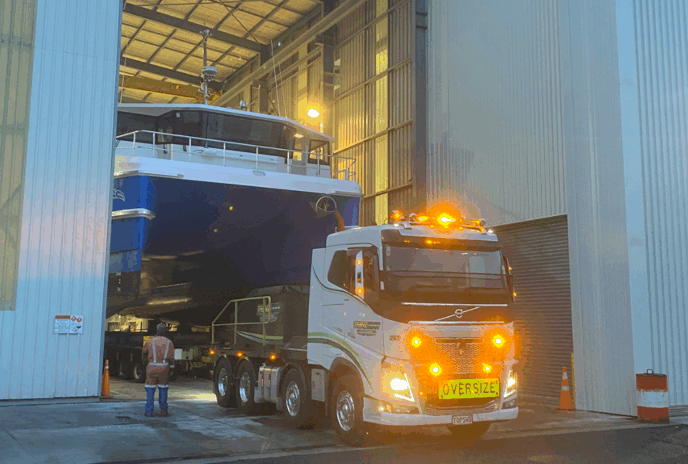
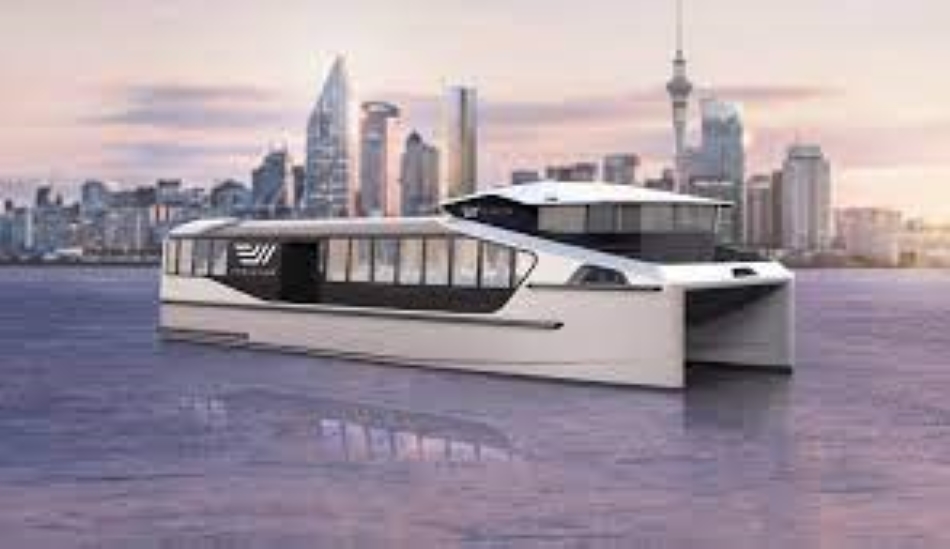
The 24-metre-long vessel is the first of two identical 200-passenger electric ferries being developed under AT’s zero-emissions programme, co-funded by central and local government.
AT ferry programme director Nathan Cammock told RNZ the two new electric vessels will service the Half Moon Bay route and may go to other destinations over time.
He says the ferries were built for mid-harbour routes between 30 and 45 minutes and could eventually serve Devonport or Hobsonville Point. Each boat cost around $20 million, with the New Zealand government contributing approximately two-thirds of the cost. The remaining third was split between the NZ Transport Agency and Auckland Council.
The electric ferries are designed to be fast, clean, and highly efficient. Capable of reaching speeds up to 25 knots (46km/h), they will operate eight return trips a day, charging between each run for about 10 minutes using a 3.3 megawatt charger — roughly 10 times faster than a Tesla Supercharger.
Each battery is expected to last about 10 years, with improvements in energy density likely by the time replacement is needed. The ferries themselves have a projected lifespan of over 30 years.
And the project turning heads internationally.
EV Maritime chief executive Michael Eaglen told RNZ that only two or three fast passenger electric ferry projects exist globally and the AT fleet is the first to incorporate the new megawatt charging standard.



Join the conversation