
Solar pays off for many Kiwi households –– but location and usage matter
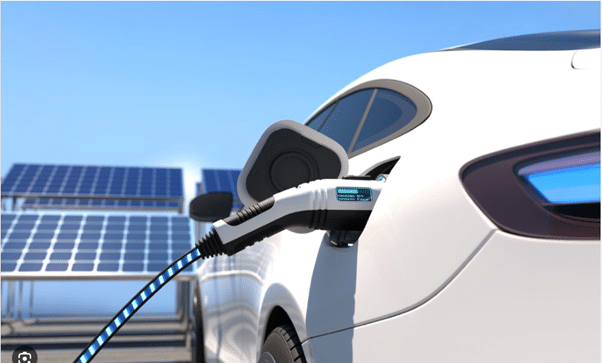
New research has found that residential rooftop solar panels can deliver strong financial returns for many New Zealand households, especially for those with high electricity consumption during the day.
The study — the first in New Zealand to use detailed, high-quality data for both solar generation and household demand — analysed solar and storage performance across four major centres under different electricity price and technology cost scenarios.
The Energy Efficiency and Conservation Authority (EECA) says its goal was to determine “where and under what conditions does investing in solar PV make sense?”, helping homeowners make informed choices about value for money when installing solar.
“Households that consume more electricity, particularly in the morning and daytime, see the best financial returns from solar PV,” the report says.
“The more appliances that are powered by electricity, the more self-generated solar energy can be used directly, reducing reliance on grid electricity.”
Switching from gas to electric heating, cooking and water heating increases the benefits of solar PV, as does charging an electric vehicle at home during the day.
Location shapes returns
Using real-world, 30-minute demand data from almost 50,000 homes, researchers found Queenstown had the best solar resource, followed by Auckland, Christchurch and Wellington.
- Queenstown: Best sunlight hours and strong returns, with internal rates of return (IRR) of 7–14% per year for a north-facing 5kW array at 30° tilt, no storage.
- Auckland: Second-best solar resource, higher electricity prices making solar more attractive; IRR 6–12%.
- Christchurch: Similar conditions to Auckland but slightly lower returns due to cheaper retail electricity; IRR 6–11%.
- Wellington: Lowest sunlight but moderate electricity prices help; IRR up to 10% for some households.
Adding home batteries can boost returns by 1–2%, although the benefit depends on pricing structures, storage costs and household usage patterns. Time-of-use pricing further improves returns if storage is included.
Panel placement and storage
North-facing panels at around 30 degrees tilt perform best, producing the most electricity over the day. East-west arrays can better align with morning and afternoon demand but generate less overall, and do little to reduce peak winter demand.
The report found that “batteries are the only real solution that will allow peak morning and evening demand to be met with local supply, but they need to fall further in price”.
Lower-cost alternatives include hot water diverters and timers to store solar energy in existing hot water cylinders. Future use of electric vehicle batteries through Vehicle-to-Grid technology could also provide storage, but challenges such as charger costs and manufacturer warranty restrictions remain.
Households can improve returns by comparing quotes from multiple installers, checking component quality, and ensuring they are on the best electricity plan for their system.
“Storage is an option which can boost overall returns from solar PV, but the right choice of capacity and technology will depend on component costs, your location, electricity plan, and consumption profile, and even how much control you have over energy-consuming devices in your home,” the report says.
*Click here for more.



Join the conversation