
Mercedes VLE luxury van enters production
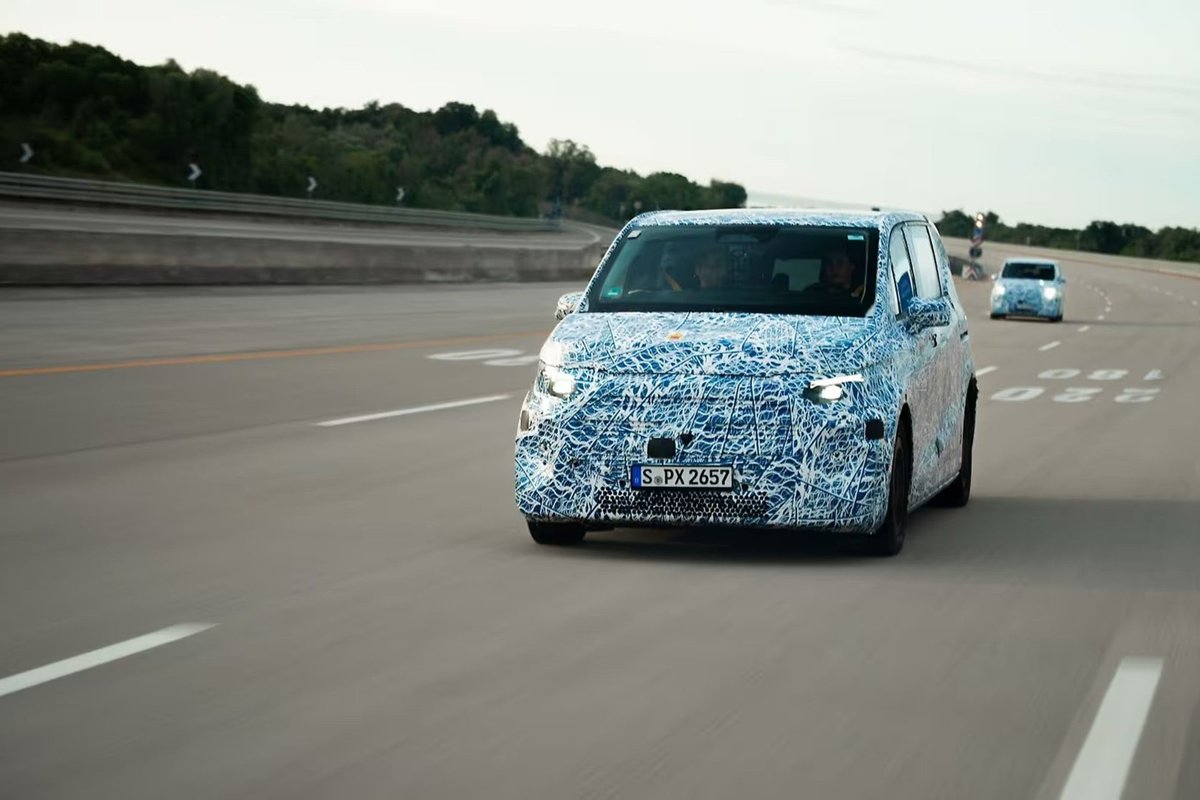
Mercedes-Benz has begun production of its new VLE eight-seater luxury van in Vitoria, Spain, marking the replacement of the all-electric EQV with a model offering both electric and internal combustion engine options.
The VLE will ride on Mercedes’ new VAN.EA platform for electric variants, while combustion-engined versions will use the VAN.CA platform. Both powertrains will be produced on the same assembly line, with European market deliveries expected in the first half of 2026.
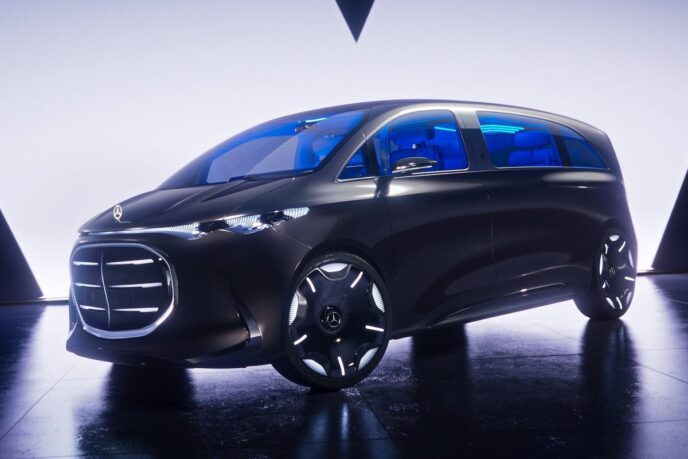
The new people mover takes design inspiration from the Vision V concept unveiled earlier this year, featuring the brand’s panamerica grille and LED headlights with three-pointed star elements. Lighting will indicate battery charge status, similar to the GLC model.
Range and charging improvements
Extensive testing has shaped the VLE’s final form, including wind tunnel work and high-speed trials at Nardo. A 1100km test journey from Stuttgart to Rome required just two 15-minute charging stops, suggesting a maximum range approaching 500km – a significant improvement over the outgoing EQV’s 362km capability.
The electric VLE will feature an 800V electrical system enabling ultrafast charging up to 320kW. Both single and dual-motor configurations will be available, with rear-axle steering designed to provide “easy and agile handling even in tight corners.”
Premium positioning
Mercedes positions the VLE as a mid-size model comparable to the E-Class, with seating for up to eight people. The company plans to follow with a larger VLS variant, which Mercedes says will “define a unique segment of its own that bestows true greatness to automotive luxury.”
The VAN.EA technology platform allows clear differentiation between luxury and commercial variants. The VAN.EA-P (Premium) platform targets “high-quality family vans” and “exclusive VIP shuttles to spacious limousines,” while commercial applications will use the VAN.EA-C setup.
Electric VLE models will feature Mercedes’ new MB.OS infotainment system with permanent internet connectivity. Level 2 automated driving will be standard, with Level 3 automation planned by 2030.
While no New Zealand launch details have been confirmed, the VLE would target the premium transport and luxury fleet segments locally, competing in the high-end people mover market.

Join the conversation