
Ford pivots from big EVs to hybrids and smaller electric models
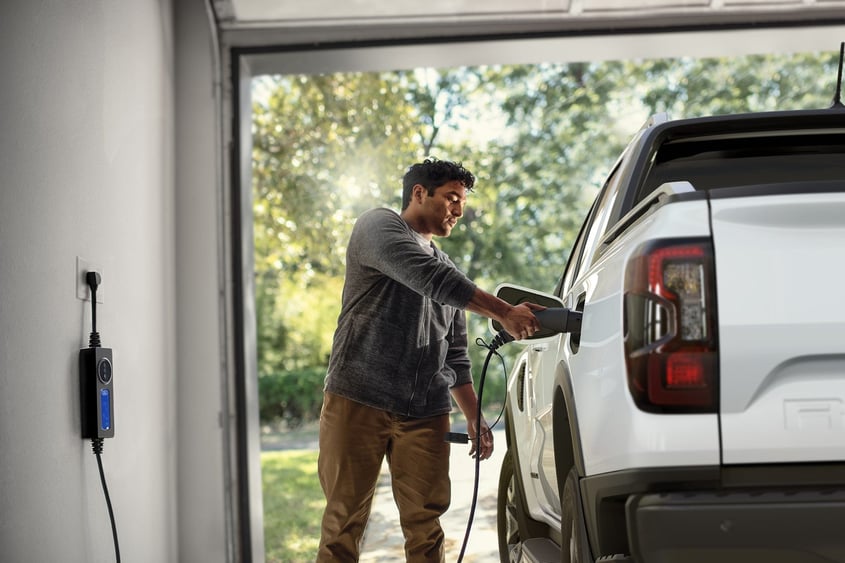
Ford has confirmed a major reset of its global electrification strategy, shifting away from large battery electric vehicles in favour of hybrids, plug-in hybrids and a new generation of petrol-powered trucks.
The move follows repeated delays to key EV programmes and what Ford describes as lower-than-expected demand for large electric vehicles, rising production costs and shifting regulatory pressures.
Central to the revised plan is a dramatic change to the next-generation F-150 Lightning. Previously intended to be a full EV, the model will now be redeveloped as a range-extender hybrid, with electric motors driving the wheels and a petrol engine acting solely as a generator.
Ford has also cancelled a new electric commercial van that had been expected to replace the E-Transit later this decade. Instead, the company will develop a more affordable range of petrol and hybrid vans, with production scheduled to begin in 2029 at the Ohio Assembly Plant, which currently builds the E-Series.
The strategic shift will reshape Ford’s US manufacturing footprint. Its Tennessee Electric Vehicle Center has been renamed the Tennessee Truck Plant and will now build a line of new petrol-powered trucks from 2029. Ford says these models will sit outside the traditional F-Series range and target more affordable price points.
While the pivot appears to pull Ford back from full electrification, the company says EVs remain central to its long-term plans. Its future electric line-up in North America will focus on smaller, more attainable EVs built on the Universal EV platform announced earlier this year. The first model — a mid-size electric truck — is due to enter production at Louisville Assembly Plant in 2027.
Ford is also broadening its battery strategy, repurposing part of its Glendale, Kentucky battery operations toward energy-storage products for data centres and infrastructure projects. About US$2 billion will be invested in the new venture over the next two years.
The company expects the revised approach to significantly reshape its sales mix, aiming for about half of global sales to come from a combination of traditional hybrids, extended-range hybrids and EVs by 2029 — up from around 17 per cent today. Ford also says the updated plan will help its Model e electrification division reach profitability within the same timeframe.
Join the conversation