
McKay delivers solar catamarans to Samoa
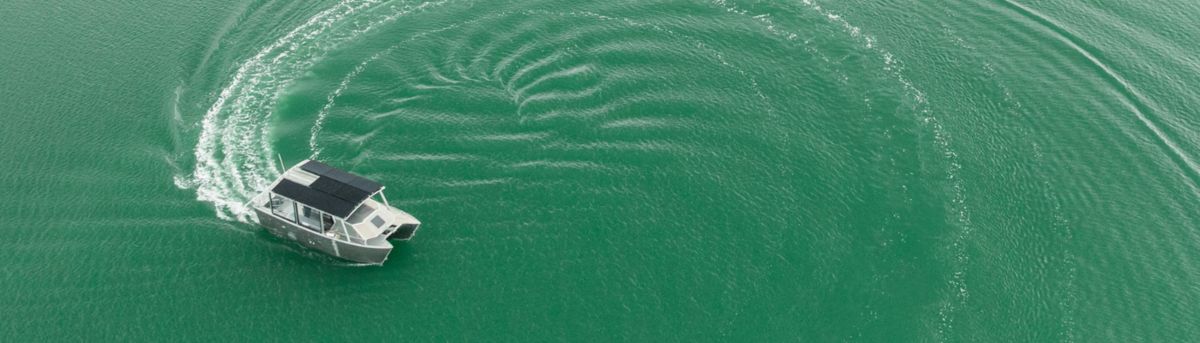
McKay has completed the handover of five solar and battery-powered electric catamarans to Samoan communities, marking the completion of the country’s first low-carbon maritime project.
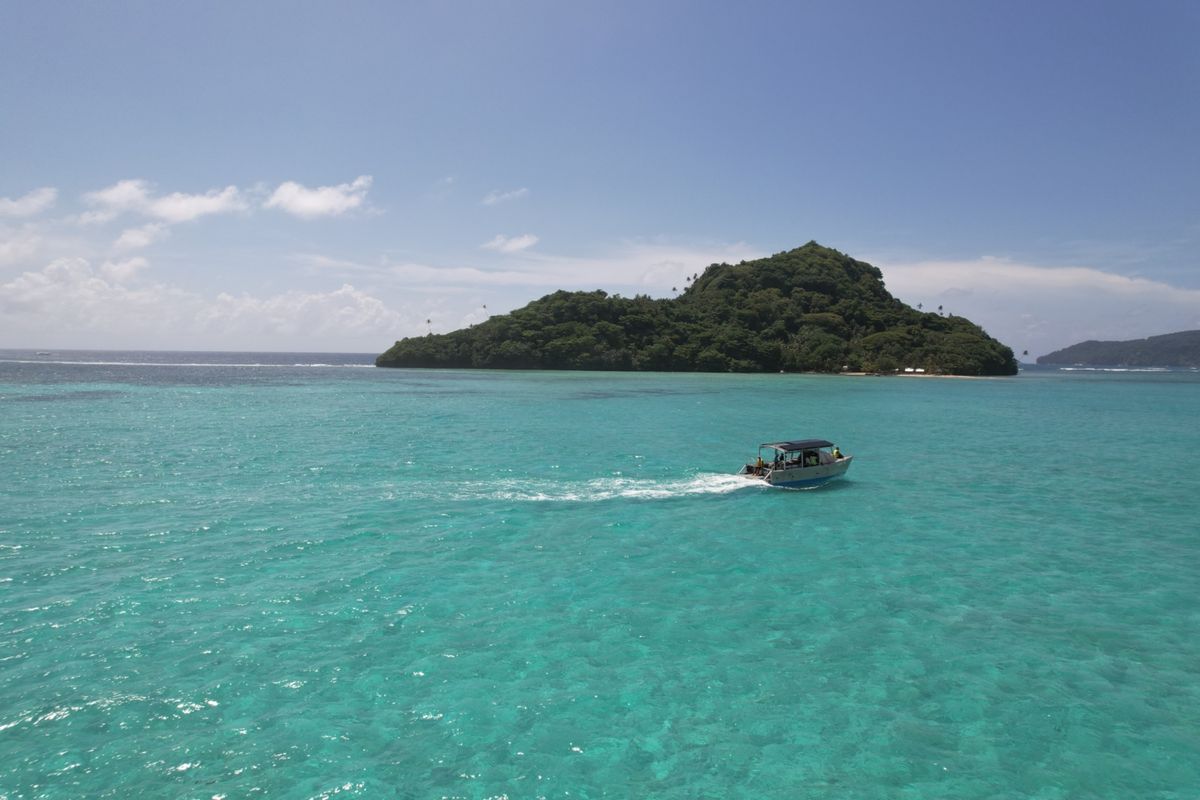
The official ceremony took place on December 12 at Manono Uta Wharf, where dignitaries and community leaders gathered to receive the Project E-Alia vessels destined for the islands of Manono and Namu’a.
The project forms part of the CAP-IT programme (Climate action pathways for Island Transport), a $37 million Japanese-funded Green Transformation initiative implemented by the United Nations Development Programme (UNDP). Of this total, $15.3 million has been allocated to Samoa, with the programme also supporting green transportation projects in Papua New Guinea, Timor-Leste, and Vanuatu.

Designed for remote island conditions
Each E-Alia vessel can operate continuously for up to seven hours at a cruising speed of six knots, providing a range of more than 50 nautical miles on a single charge, even in overcast conditions. The 12-passenger vessels feature onboard solar panels that extend operational range on sunnier days and can be recharged while in port via shore power.
The vessels have been in use since early October, with their impact already being felt across the communities. With no fuel costs and lower operating expenses, the electric catamarans have removed many pressures associated with marine transport in remote island communities.
The vessels support village life by providing essential transport for people, goods, and community events, including family gatherings and funeral processions. For remote communities, they have eased long-standing logistical challenges, reducing reliance on fuel and removing the need to wait until boats are full before travelling.
Director of the Namu’a Island site Levasa Ieti Taisia described the change as “a gift from God,” explaining that the boats have brought him and his community “a great sense of ease and reliability that did not exist before.”
Local partnerships and skills development
As part of the contract, McKay has delivered training for both boat operators and maintainers and will provide maintenance support for two years in partnership with Henry Silva Shipyard. Four of the boats were fabricated and fitted out in Samoa, building local skills and ensuring long-term, locally managed vessel upkeep.
“Working on a project like this – one that gives back to fellow tangata moana, people so closely connected to the sea – has been a genuine privilege,” says Ashley Owen, McKay’s project manager and marine engineer.
“The partnerships formed with local Samoan businesses have laid the foundation for what is hoped will be a long-lasting relationship.”
Expanding Pacific presence
McKay has over 50 years’ experience delivering projects across the Pacific, including in Fiji, Nauru, Papua New Guinea, Rarotonga, Samoa, Tonga, and Vanuatu. The company’s work has ranged from airport infrastructure and wharf upgrades to stadiums and government buildings.
“Being part of these projects is deeply meaningful for us, as we see firsthand the positive impact our expertise has on local communities, helping to strengthen infrastructure, create opportunities, and contribute to lasting development across the region,” says Mark McGinley, executive general manager technology at McKay.
Ben Haselden, manager marine national for McKay, says the project “not only enhances McKay’s capacity to deliver marine based renewable solutions across New Zealand and the Pacific, but also sets a new benchmark for sustainable, community-focused transport in the region bringing technology to an area that didn’t realise they needed it.”
McKay is looking to expand this work across the Pacific and beyond, advancing sustainable electric propulsion for vessels and supporting communities through infrastructure projects.


Join the conversation