
Solar, heat pumps ‘lower cost’ path than LNG for electrification, says NZGBC
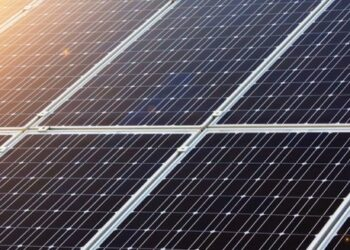
A new report argues New Zealand can meet its looming energy shortfall by accelerating rooftop solar and electric hot water heat pumps — rather than importing liquefied natural gas (LNG) — in a move that could lower power bills and support faster electrification of homes and transport.
Research released by the New Zealand Green Building Council (NZGBC) claims the Government’s plan to import LNG for electricity generation would cost households and businesses up to $8.3 billion over 15 years, increase exposure to volatile international fuel markets, and lock in higher energy prices.
Instead, the report says the same volume of electricity could be delivered through a $2.5b investment in rooftop solar panels and hot water heat pumps, delivering long-term savings and greater energy resilience.
NZGBC chief executive Andrew Eagles says importing LNG would burden families and businesses with unnecessary costs.
“Levying billions of dollars of charges onto every New Zealand family and business to increase our dependence on overseas fossil fuels is crazy,” Eagles says.
“This gas is expensive. It locks in high prices when we could deliver that energy with modern solutions which lower costs for Kiwi families and improve resilience.”
The report, reviewed by energy experts, finds that LNG-fuelled wholesale electricity could cost more than double that of new renewable generation. Including the cost of a taxpayer-funded LNG import terminal, total electricity costs are estimated at between $260 and $540 per megawatt hour.
It says residential natural gas prices could rise by a further 25%, while some industrial users may become uneconomic.
The NZGBC argues that investing in rooftop solar and heat pumps would lower the cost of generating the same energy by between $3b and $6b over 15 years, and save households almost $7b in energy bills over the same period.
The report says solar panels and heat pumps are long-life capital assets that permanently reduce household energy bills, whereas LNG would represent an ongoing fuel cost subject to global price shocks.
“Adding one of the world’s most expensive fuels to New Zealand’s energy mix won’t solve the affordability crisis,” the report says. “It locks households into higher bills for decades.
“Rather than pay billions to lease an LNG terminal, the Government could better use that money to support households to install solar and heat pumps to lower their cost of living. Other countries, including Australia, Europe, the United States and Canada, are providing this kind of support to families.”
The NZGBC says accelerating distributed renewable generation would improve energy security, cut emissions and support New Zealand’s wider transition to electrified transport and heating.



Join the conversation