
Licence changes proposed to support electric trucks and buses
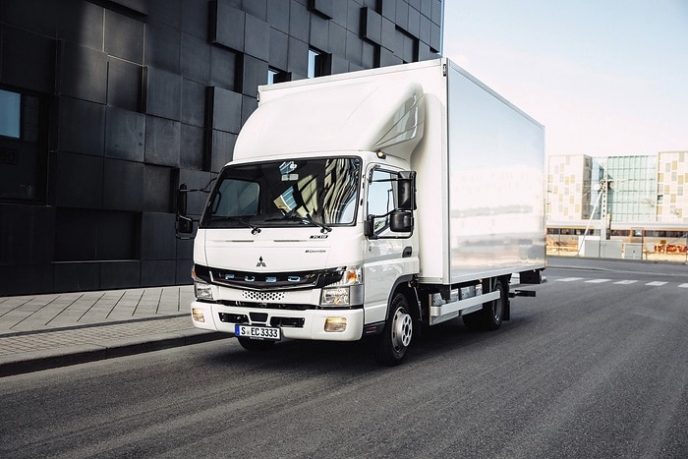
The Government has opened public consultation on proposed transport rule changes that would permanently enable more zero-emission heavy vehicles to operate under existing licence classes.
Transport Minister Chris Bishop says the reforms are part of the Government’s programme to “fix the basics” of New Zealand’s transport system, with one package focused specifically on heavy vehicles.
Among the most significant proposals for the EV sector are changes to driver licence settings for electric light commercial vehicles and electric buses.
Under the proposals, Class 1 licence holders would be permanently enabled to drive zero-emissions vehicles with a gross laden weight of up to 7,500kg, while Class 2 licence holders would be able to drive electric buses with more than two axles and a gross laden weight of up to 22,000kg.
Batteries in zero emission versions of light commercial vehicles increase the gross laden weight of many of these vehicles above 6,000kg, meaning they cannot be driven on a Class 1 licence under standard rules. Operators of these vehicles either need to reduce their loads or pay for a Class 2 licence.
In 2023 and early 2025, the Director of Land Transport issued a class exemption allowing battery electric vehicles up to 7,500kg, that are similar to a diesel equivalent, to be operated on a Class 1 licence. The current proposal would embed that exemption permanently in the rules.
Electric buses also weigh more than diesel equivalents due to the batteries they carry to ensure adequate range between charges. The added weight places electric buses (with more than two axles) in the 18,000–22,000kg gross laden weight category, which would normally require drivers to obtain a Class 4 licence.
This restricts operational flexibility, as most new urban bus drivers start with a Class 2 licence only. A Director-issued class exemption has been in place since March 2023 to allow Class 2 or 2L licence holders to drive electric vehicle public transport service buses up to 22,000kg, with a new three-year exemption granted in 2025 that expires on March 7, 2028. The proposed rule change would make this arrangement permanent.
Bishop says the reforms are intended to reduce unnecessary costs and barriers.
“These are practical, commonsense changes. They give operators more certainty to get on with their work, reduce compliance headaches, and support the transition to low-emissions vehicles, all while keeping safety front and centre,” he says.
The heavy vehicle package also includes proposals to remove permit requirements for rental operators delivering unladen High Productivity Motor Vehicle (HPMV) truck and trailer combinations between depots and customers.
HPMV truck and trailer combinations are commonly available for hire. The processing time to obtain an HPMV permit for any new truck and trailer combination can make it challenging for operators to plan driver availability, book ferry crossings, and plan vehicle swap scenarios that reduce the number of trips required.
Removing the requirement for a permit when delivering unladen combinations between depots and to customers is intended to improve the timeliness of vehicle rental supply and ease logistical challenges for rental service operators and their customers.
Other proposed changes include updates to load pilot vehicle signage requirements and allowing overseas heavy vehicle licence holders to convert their licences either by sitting tests or completing approved courses.
The heavy vehicle proposals sit alongside a separate package of lane use and everyday road rule changes.
Those proposals include allowing children up to age 12 (inclusive) to ride their bikes on footpaths, introducing a mandatory passing gap of between one and 1.5 metres depending on the speed limit, allowing e-scooters to use cycle lanes, requiring drivers travelling under 60km/h to give way to buses pulling out from bus stops, and clarifying signage rules so councils can better manage berm parking.
Consultation on both the Heavy Vehicle Package and the Lane Use Package runs from February 25 to March 25, 2026. Submissions can be made through NZTA.



Join the conversation