
NZ cleantech firm Mint Innovation partners with HP on recycled copper e-waste
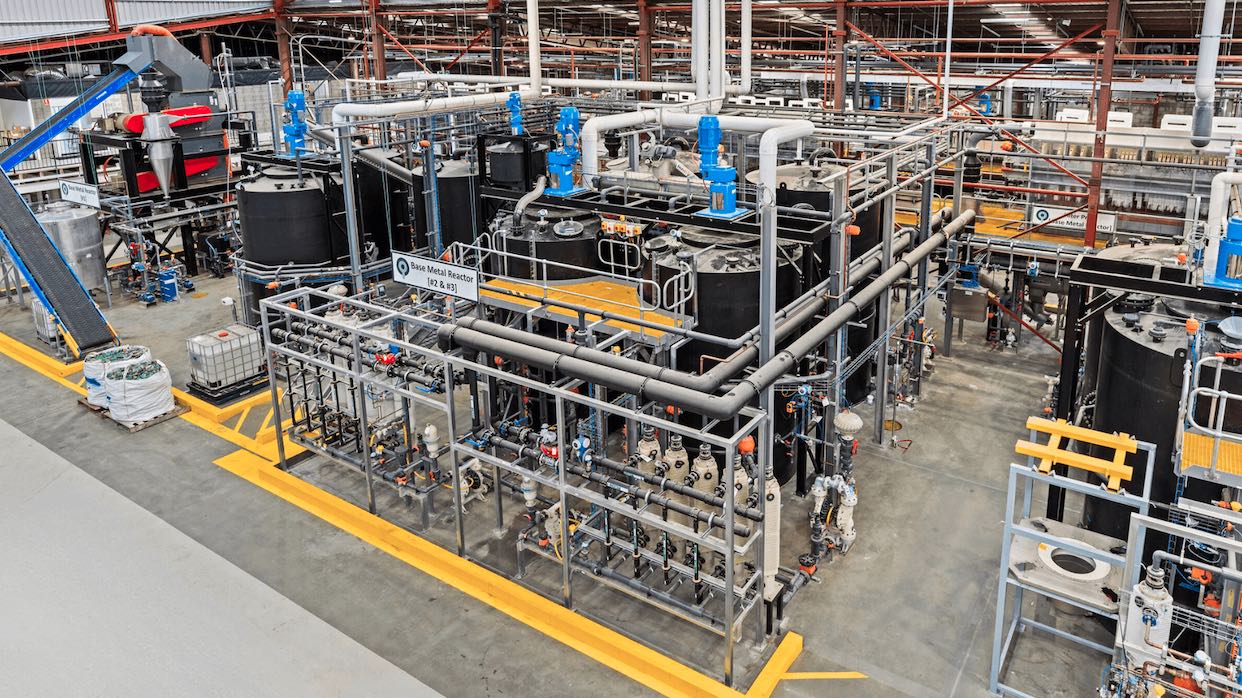
New Zealand-based cleantech company Mint Innovation, which is also developing technology to recycle critical materials from electric vehicle batteries, has partnered with HP to produce what it says is the industry’s first batch of certified closed-loop recycled copper recovered from electronic waste.
The copper was recovered from end-of-life printed circuit boards (PCBs) using Mint’s proprietary biosorption technology and will be reused in new HP computers, including the HP EliteBook X G2 Series laptops and the HP EliteBoard G1a Next Gen AI PC.
The project demonstrates how valuable metals contained in discarded electronics can be recovered locally and returned to manufacturing supply chains rather than being lost through traditional recycling methods.
Mint Innovation president Matt Bedingfield says the company’s technology allows metals to be traced from electronic waste back into new products.
“We are the only company in the world capable of tracing individual batches of metal from the waste pile back to the new product at commercial scale, a level of transparency that traditional smelting simply cannot provide,” Bedingfield says.
“This collaboration with HP is more than just recycling; it is a blueprint for the future of supply chain security. We have proven that critical metals can be recovered, certified, and reused locally.”
The recovered copper received third-party certification from TÜV Rheinland after an independent audit confirmed the process met international recycled-content and chain-of-custody standards.
The announcement comes as the world faces a growing e-waste challenge. The United Nations estimates around 62 million tonnes of electronic waste is generated globally each year, a figure expected to reach 82 million tonnes by 2030, with less than a quarter formally recycled.
Most current recycling methods involve smelting, which is energy intensive and can burn off valuable materials. Mint’s system instead uses chemistry and naturally occurring biomass to recover high-purity metals in city-scale facilities.
HP senior vice president of design and sustainability Stacy Wolff says traceability is key to expanding the use of recycled materials in electronics manufacturing.
“We’re focused on finding practical ways to increase the use of recycled materials in our products, and that starts with the ability to verify where materials come from and how they perform,” Wolff says.
“Independent certification like Mint’s innovative process helps validate what’s possible and builds confidence as circular manufacturing continues to scale.”
Mint is also expanding internationally. Following the success of its commercial-scale prototype in Sydney, the company is building its first US commercial facility in Longview, Texas, which is expected to begin operations in 2027.
EV battery recycling
The partnership builds on Mint Innovation’s broader push into recovering critical minerals needed for the clean energy transition, including materials used in electric vehicle batteries.
In 2025 the company secured £8.1 million (NZ$18.3m) in funding for a UK project to demonstrate recycling technology that recovers lithium, nickel and cobalt from end-of-life lithium-ion batteries. The project involves partners including Jaguar Land Rover, LiBatt Recycling and researchers at the University of Warwick, and aims to support the development of a circular supply chain for EV battery materials.
With EV adoption accelerating globally and demand for critical minerals rising, technologies that recover metals from electronic waste and spent batteries are increasingly being viewed as an important new source of supply.



Join the conversation