
MG targets semi-solid battery breakthrough for MG4 EV
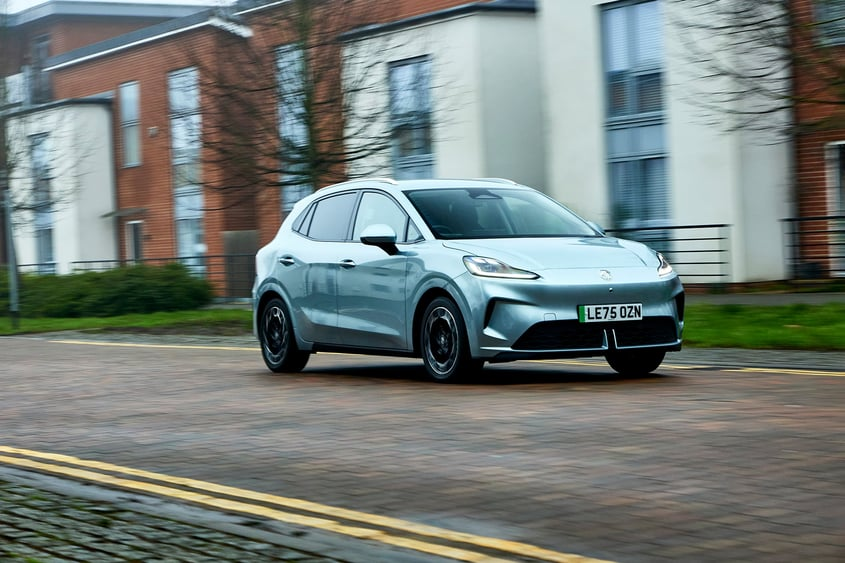
Chinese-owned automotive brand MG Motor plans to introduce semi-solid-state battery technology to the European market by the end of 2026, marking a step towards next-generation EV systems.
The new battery will debut in the entry-level MG4 EV Urban, with MG claiming it will be the first production car in Europe to offer a solid-state battery option.
Dubbed “SolidCore”, the battery uses a semi-solid design rather than a fully solid-state system, combining lithium-manganese-oxide chemistry with a partially solid electrolyte. The pack contains around 5% liquid electrolyte, compared with about 20% in conventional lithium-ion batteries.
MG says the technology is expected to improve charging performance and efficiency, particularly in cold conditions where EV batteries typically experience reduced range and slower charging.
Safety is also expected to improve, with the semi-solid structure providing a more stable internal environment within each cell, reducing the risk of damage from impacts or thermal events and helping extend battery life.
The company has not confirmed driving range figures for the new battery. The current MG4 EV Urban offers a range of about 415km using a lithium iron phosphate battery.
MG says gains may instead come through improved energy density, allowing smaller and lighter battery packs while maintaining or improving range, alongside faster charging and longer battery lifespan.
The move is notable as solid-state battery development has typically been associated with premium, low-volume vehicles, while the MG4 sits at the more affordable end of the market.
MG, owned by SAIC Motor, has been expanding its global EV presence with a focus on combining competitive pricing with new technology.
The MG4 Urban has been confirmed for Australia and is expected to arrive by the end of the year, with MG New Zealand indicating further details will be released in the coming weeks.
Join the conversation