
Mercedes-Benz unveils all-electric C-Class sedan
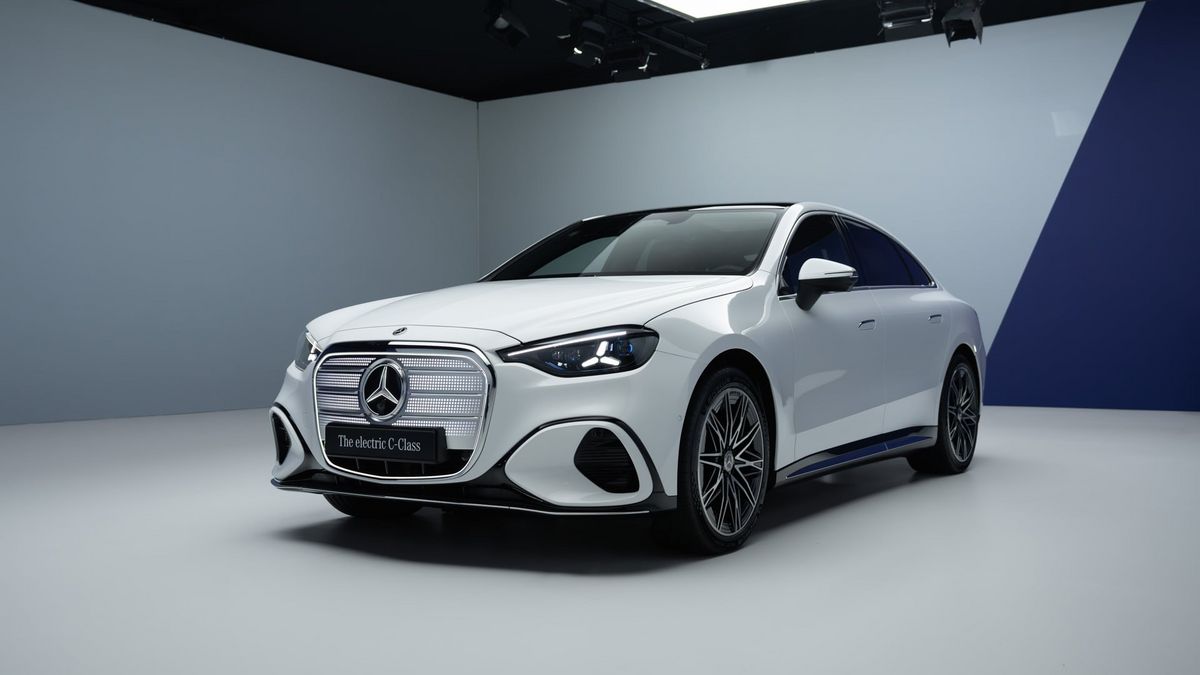
Mercedes-Benz has unveiled an all-electric version of its C-Class sedan, which will be sold alongside the existing internal combustion engine model rather than replacing it.
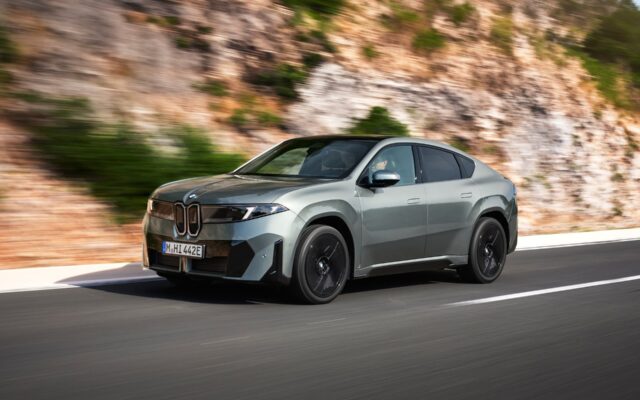
The electric C-Class is positioned to compete with the new BMW i3 and represents Mercedes-Benz’s strategy of offering both electric and conventional powertrains across its model range.
The German manufacturer has significantly redesigned the exterior to differentiate the electric variant from the standard C-Class. Updated headlights flank a new grille comprising 1050 illuminated dots, while the rear end features a complete redesign with digital taillights incorporating Mercedes’ star symbol in the centre.
Longer platform delivers extra space
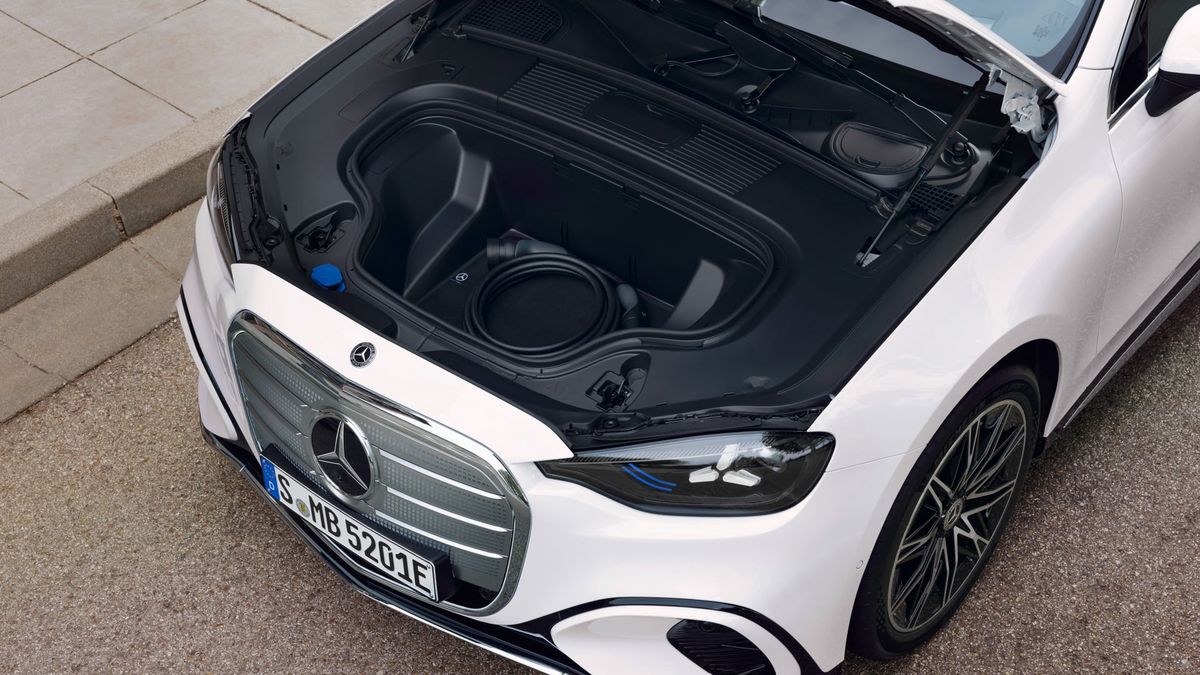
Built on the same platform as the GLC EQ, the electric C-Class measures 97mm longer than the conventional sedan. This extended wheelbase, combined with electric vehicle (EV) packaging, creates additional boot space and a 101-litre storage compartment under the bonnet.
The model will be available in both rear-wheel drive and all-wheel drive configurations, both powered by a 94.5kWh lithium-ion battery as standard.
Rear-drive models are expected to achieve up to 800km range on the Worldwide Harmonised Light Vehicle Test Procedure (WLTP) cycle, though Mercedes-Benz has not yet released power and torque specifications for this variant.
The all-wheel drive version features a 360kW dual-motor drivetrain and can accelerate from 0–100km/h in 4.1 seconds. WLTP range for the all-wheel drive models sits at around 760km.
Technology focus on interior
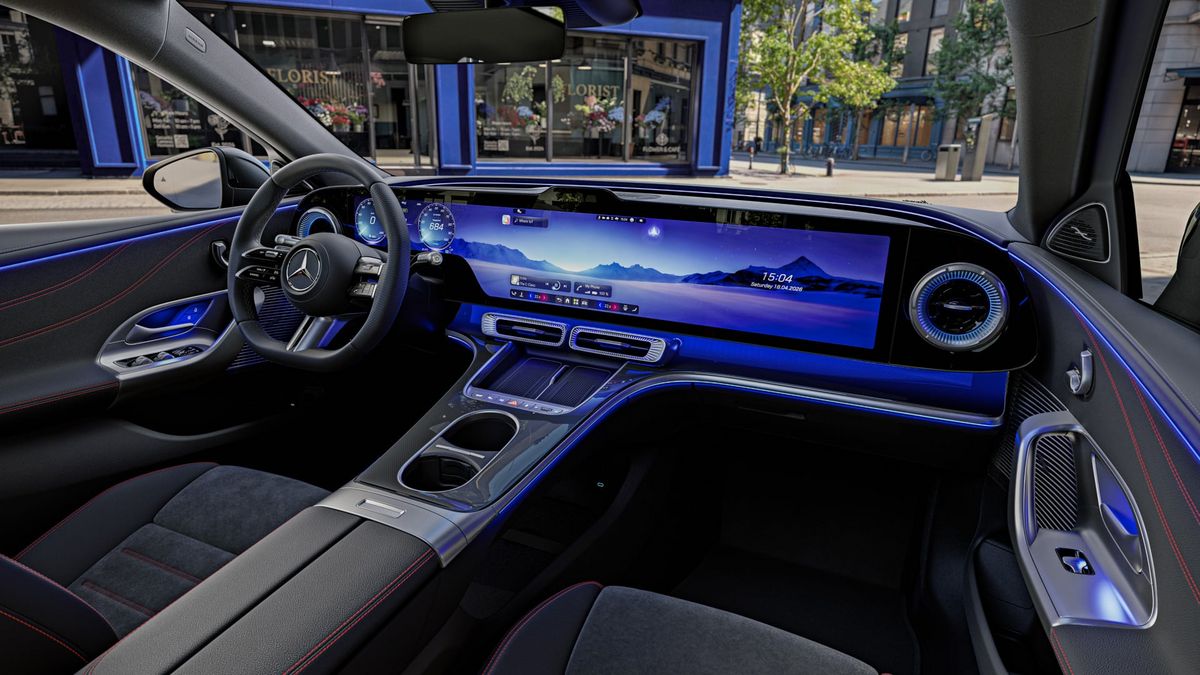
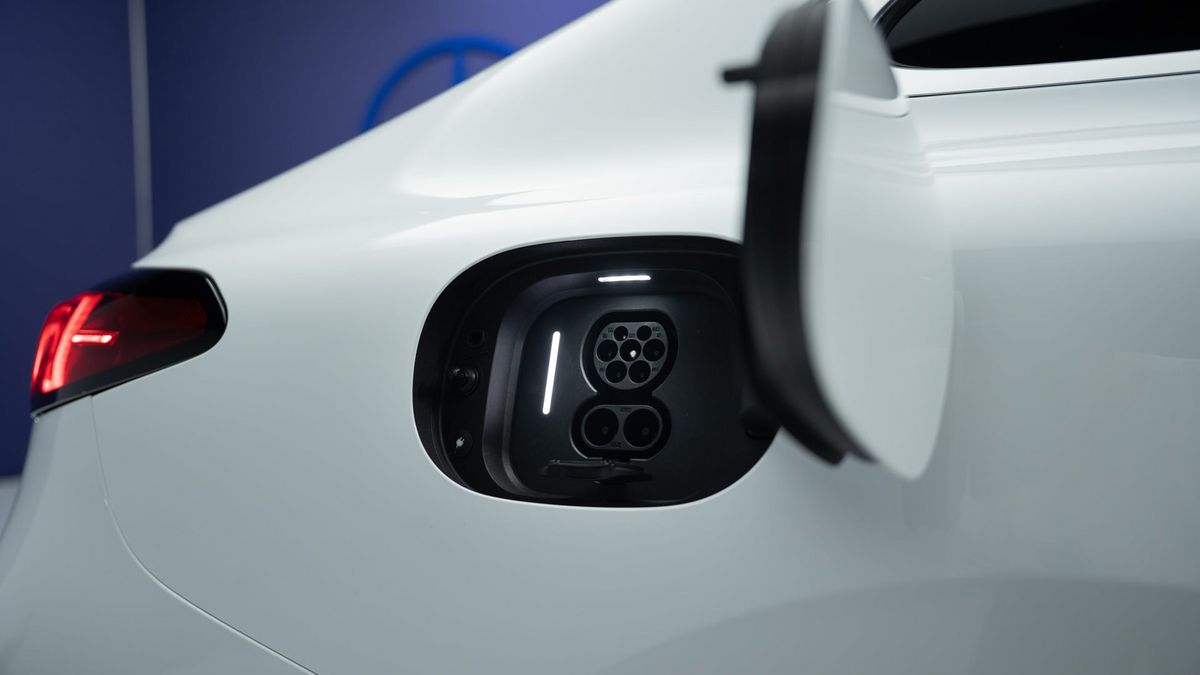
Inside, the electric C-Class features Mercedes’ 39-inch MBUX Hyperscreen display spanning the width of the dashboard. The system houses both the digital instrument cluster and infotainment screen within a single unit.
A third 14-inch passenger display is available as an option, incorporating anti-distraction technology to prevent driver interference.
Mercedes-Benz has not confirmed New Zealand availability for the electric C-Class, but with Australia set to receive the model in early 2027, local arrival is expected around the same timeframe.
Join the conversation