
Transport reforms to allow heavier EVs on standard licences
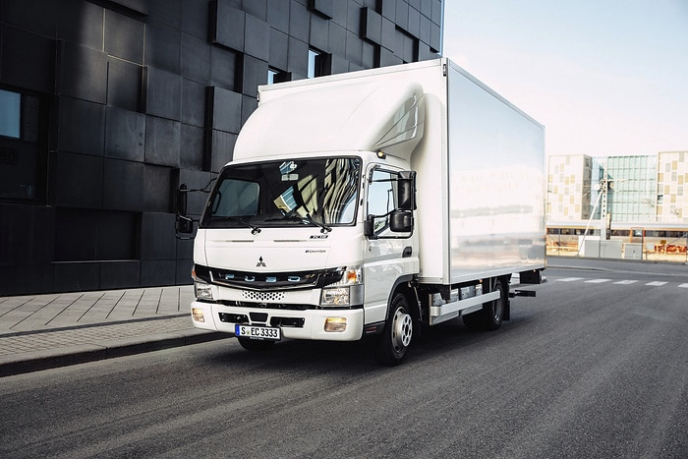
The Government will allow heavier zero-emissions vehicles on standard licences, remove permit requirements for some freight operations, and prepare temporary increases to truck weight limits as part of new fuel-saving transport reforms.
Regulation Minister David Seymour and Transport Minister Chris Bishop say the changes are designed to improve freight efficiency and reduce fuel use amid ongoing global fuel uncertainty.
Permanent changes include allowing Class 1 licence holders to drive heavier zero-emissions vehicles and Class 2 licence holders to operate heavier electric buses.
The Government says the move addresses the additional weight of electric vehicles compared with diesel equivalents and is expected to support long-term fuel savings as EV uptake increases.

Other permanent changes include removing permit requirements for 50MAX vehicles and for relocating unladen rental high productivity motor vehicles, reducing paperwork, delays and compliance costs for operators.
Temporary measures linked to higher phases of the National Fuel Response Plan have also been outlined.
At Phase 2, over-dimension vehicles will temporarily be allowed to use some motorways and toll roads currently off limits, shortening routes and reducing fuel consumption.

At Phase 4, weight limits for permitted high productivity motor vehicles will temporarily increase by 4%, while 50MAX vehicles will be allowed to operate at up to 55 tonnes.
Seymour says the Government sought industry feedback through the Red Tape Tipline last month to identify regulations limiting New Zealand’s ability to respond to global fuel pressures.
“New Zealand’s fuel supply is stable. We’re focussed on keeping it that way,” Seymour says.
Bishop says the Government is balancing productivity improvements with safety and infrastructure considerations.
“Fuel prices are already putting pressure on households and businesses, which is why this work matters. Getting ahead of the problem now helps reduce the impact if global conditions worsen,” Bishop says.
The permanent changes will be introduced as soon as practical, while the temporary measures are being prepared for activation if New Zealand moves to higher phases of the Fuel Response Plan.



Join the conversation