
Amber expands vehicle-to-grid rollout to 1000 Australian homes
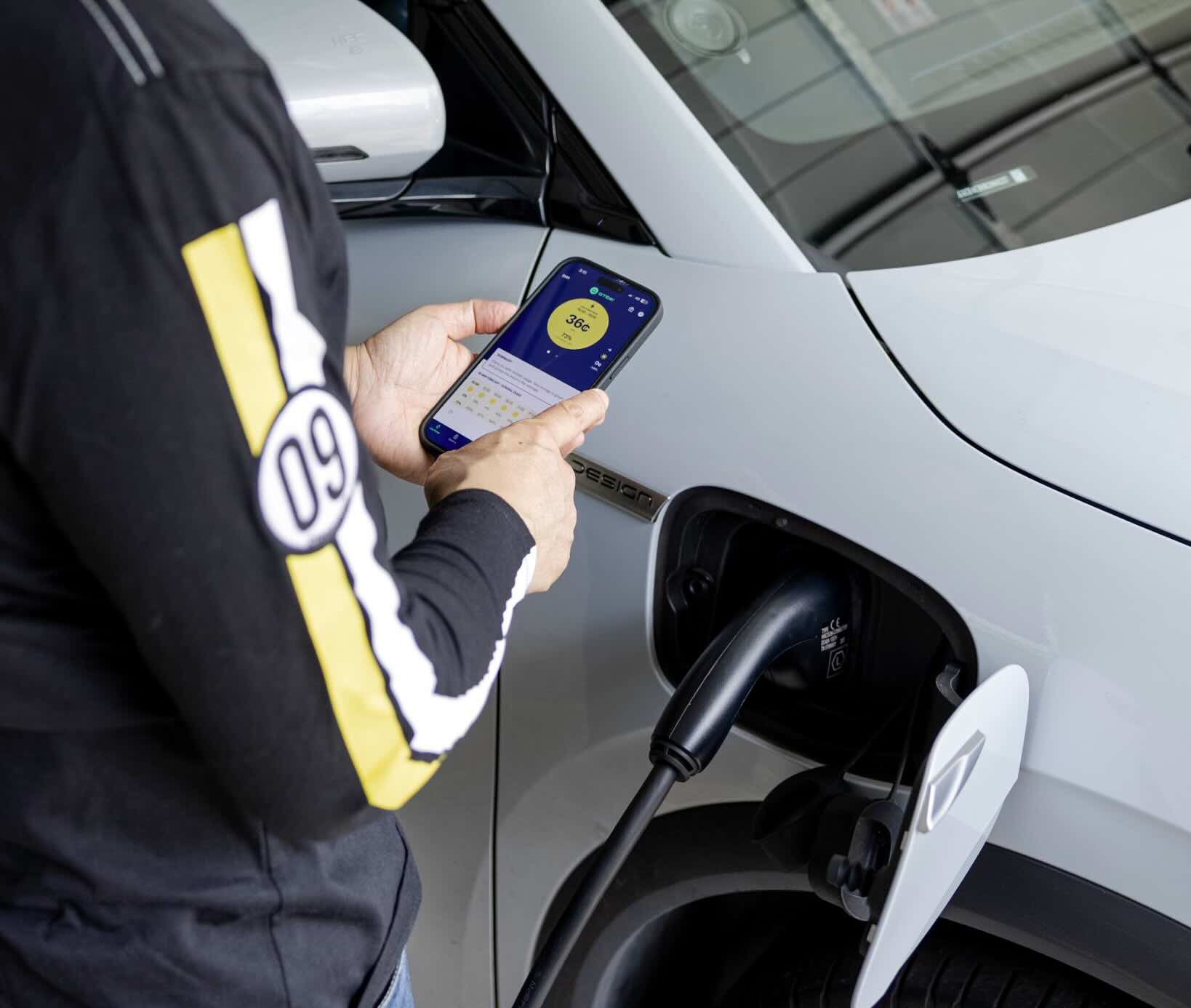
Australian energy retailer Amber is expanding its vehicle-to-grid (V2G) programme to 1,000 homes, claiming it will be the country’s largest residential rollout of bidirectional EV charging technology.
The expansion is backed by A$13.6 million in funding from the Australian Renewable Energy Agency (ARENA) and follows an initial 50-charger trial with EV manufacturer BYD.
Amber says the programme allows EV owners to use their vehicles as “batteries on wheels”, powering homes, storing excess solar energy and selling electricity back to the grid when prices are high.
The rollout follows BYD’s decision to warrant EVs participating in the programme, which Amber says removes a major barrier to wider V2G adoption. The company says almost 6,000 Australians have joined its V2G waitlist.
Amber co-chief executive Chris Thompson says the expansion demonstrates the technology is ready for wider deployment.
“Our initial rollout proved it works. 1,000 homes proves it scales. We’ve already seen a South Australian customer earn $500 in a single afternoon during a heatwave, customers can now save thousands annually through V2G. This expansion positions Australia as a world leader in V2G, and we see a future where millions of Australians buying EVs in the next few years can do the same.”
Thompson says Amber’s approach differs from other V2G offerings by combining wholesale electricity pricing with automated software controls.
“Unlike other V2G plans that require minimum plug-in time and offer fixed price tariffs, Amber combines wholesale energy with smart automation so customers can earn the full value from their exports, power their homes through vehicle-to-home technology, and retain complete control. Real money back in people’s pockets and a grid that relies less on gas and coal.”
The expansion will include the installation of V2G-capable chargers in customers’ homes, integrated with Amber’s software platform to optimise charging, discharging and energy trading.
ARENA chief executive Darren Miller says the project will help address barriers to large-scale deployment of V2G technology.
“To unlock V2G at scale, we need to bring together customers, car makers, networks and technology providers. A big part of that is giving manufacturers the confidence their vehicles will perform as expected, including through validated approaches to battery use and warranties.”
“This project brings those pieces together to demonstrate how EVs can become an active part of the energy system. That means savings for owners and better utilisation of the grid, which can bring down the cost of the network for everyone.”
Australia’s Minister for Climate Change and Energy Chris Bowen launched the expanded programme in Lidcombe, saying V2G technology could help households make greater use of rooftop solar generation.
“Vehicle-to-grid technology means your car does not just get you from A to B, it can help power your home and support the grid,” Bowen says.
“Australians with rooftop solar will be able to use their car to store the energy they’ve generated and then use that cheap, clean energy when they need it most.
“With vehicle to grid, they’ll then be able to use that power however they choose – whether that’s selling it back to the grid, powering their homes or driving one of the cheapest-to-run cars on the road.”
BYD Australia chief operating officer Stephen Collins says EVs are becoming part of a broader energy ecosystem.
“BYD’s foundations are built on innovation in renewable energy capture and storage, evolving over recent years into leadership with new energy vehicle manufacturing. BYD vehicles offer more than affordable electrified mobility solutions, they connect Australians into an energy ecosystem where the vehicle offers more than just transport.”
Electric Vehicle Council chief executive Julie Delvecchio says widespread V2G adoption could deliver benefits beyond participating households.
“One EV stores five and a half times more energy than a typical home battery. The best part? It’s not just the people plugged in who benefit – it’s the whole system. When thousands of EVs feed power back at peak times, it puts downward pressure on costs for everyone, whether you’re in the trial or not.”
Customers in the programme will not be required to meet minimum plug-in times and will retain the full value generated by their EVs.
Independent verification of the trial’s modelling and outcomes will be undertaken by enX, with the results intended to support future regulatory and industry decisions.
Amber plans to launch a commercial V2G product in 2026.


Join the conversation